Ed Sullivan: The Architect of American Variety Television
Before the era of cable television and digital streaming, one man served as the primary gatekeeper of American entertainment. Ed Sullivan was more than just a host; he was an impresario—a person who organizes and finances concerts or plays—who possessed an uncanny ability to identify and popularize the next big sensation. From jazz and classical music to the explosive arrival of rock 'n' roll, Sullivan's platform was the definitive stage for global stardom.
His crowning achievement, Toast of the Town (renamed The Ed Sullivan Show in 1955), ran from 1948 to 1971. It holds the record as the longest-running variety show in U.S. broadcast history, serving as a cultural touchstone that brought diverse acts into millions of living rooms every Sunday night.
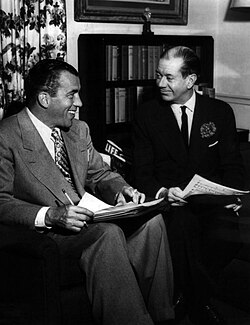
Key Facts
- Full Name: Edward Vincent Sullivan
- Career Span: 1932–1974
- Major Show: The Ed Sullivan Show (originally Toast of the Town)
- Notable Milestone: Hosted The Beatles' U.S. debut on February 9, 1964
- Professional Background: Newspaper columnist, reporter, and television host
- Legacy: Inductee of the Television Academy Hall of Fame and Rock and Roll Hall of Fame
Early Life and Journalism Career
Born on September 28, 1901, in Harlem, New York, Edward Vincent Sullivan grew up in Port Chester, New York. Of Irish descent, he was raised in a household that deeply valued music. In high school, Sullivan was a standout athlete, earning 12 athletic letters across football, basketball, track, and baseball.
His professional journey began in print media. After writing sports news in high school, he worked for several publications, including The New York Evening Mail and the Associated Press. By 1927, he had joined The New York Evening Graphic. In 1929, he transitioned to a Broadway columnist, eventually landing at the New York Daily News. His column, "Little Old New York," focused on Broadway gossip and show business, establishing him as a powerful figure in the entertainment industry long before he ever stepped in front of a camera.
The Rise of The Ed Sullivan Show
In 1948, producer Marlo Lewis convinced CBS to hire Sullivan for a weekly Sunday-night variety program titled Toast of the Town. While the show became a massive success, Sullivan himself was often criticized by critics for his lack of traditional hosting polish. Some described his on-camera mannerisms as awkward, with Time magazine once comparing his stiff demeanor to a "stone-faced monument." Despite these critiques, the public embraced the show for the quality of its guests rather than the charisma of its host.
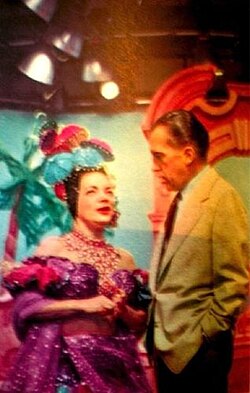
The show eventually moved to CBS-TV Studio 50, which was later renamed the Ed Sullivan Theater. Sullivan's commitment to authenticity was evident in his preference for live performances over lip-synching, a rarity for the era.
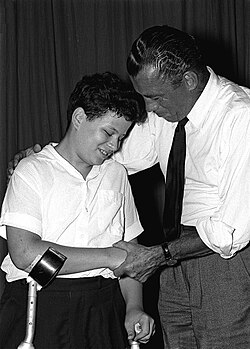
Defining Moments and Cultural Impact
Sullivan's legacy is inextricably linked to his ability to spot talent. After missing the opportunity to be the first to showcase Elvis Presley, Sullivan became determined to secure the next global phenomenon. While at Heathrow Airport in 1963, he witnessed the frenzy of "Beatlemania" firsthand. Despite initial hesitation regarding their U.S. commercial success, he booked The Beatles for February 9, 1964. This broadcast became the most-watched program in television history up to that point.
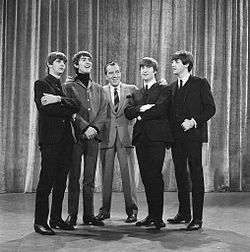
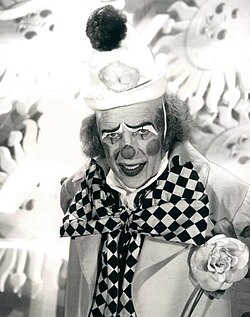
Beyond rock music, Sullivan provided a platform for a vast array of talent, including the Canadian comedy duo Wayne and Shuster, who appeared 67 times, and the Jackson 5, who performed their first single, "I Want You Back," on his stage in 1969.
Personal Life and Challenges
Sullivan's personal life was marked by a determined romance with Sylvia Weinstein. Despite strong opposition from their families due to their different faiths (Sullivan was Catholic and Weinstein was Jewish), they married in 1930. They had one daughter, Elizabeth ("Betty").
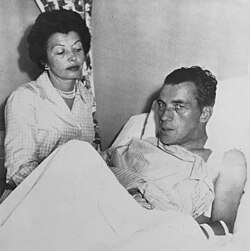
Throughout his career, Sullivan faced professional frictions. He had a volatile relationship with Bo Diddley after a dispute over a song choice during a rehearsal, and he briefly banned comedian Jackie Mason after a misunderstood hand gesture on stage. He also navigated the political tensions of the Cold War, facing pressure from sponsors to avoid guests perceived as communist sympathizers.
Final Years and Legacy
By 1971, declining ratings led CBS to cancel the program as part of a broader network shift known as the "rural purge." Sullivan remained with the network in other capacities until his health declined. In September 1974, he was diagnosed with advanced esophageal cancer. A lifelong smoker, Sullivan passed away on October 13, 1974, at the age of 73.
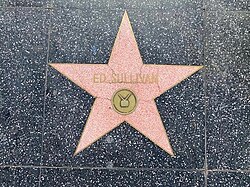
Today, Sullivan is remembered as a broadcasting pioneer who bridged the gap between high art and popular culture. He is honored with a star on the Hollywood Walk of Fame and induction into both the Television Academy and Rock and Roll Halls of Fame.
| Category | Details |
|---|---|
| Primary Role | Television Host & Impresario |
| Flagship Show | The Ed Sullivan Show (1948–1971) |
| Key Discovery | The Beatles (U.S. Debut) |
| Journalism Roots | New York Daily News columnist |
| Death | October 13, 1974 (Esophageal Cancer) |
Frequently Asked Questions
What was the original name of The Ed Sullivan Show?
The show debuted in 1948 under the title Toast of the Town before being renamed The Ed Sullivan Show in 1955.
Why was Ed Sullivan's hosting style criticized?
Critics often pointed to his lack of acting ability and awkward on-camera mannerisms, with some describing him as stiff or lacking personality.
How did Ed Sullivan contribute to the success of The Beatles in the US?
Sullivan booked The Beatles for a performance on February 9, 1964, which became the most-watched program in TV history at that time, fueling the fire of Beatlemania in America.
Did Ed Sullivan prefer live or recorded music?
Unlike many of his contemporaries, Sullivan requested that most musical acts perform live rather than lip-synching to pre-recorded tracks.
What caused the cancellation of his show in 1971?
The show was cancelled by CBS due to plummeting ratings as part of a network-wide programming overhaul known as the "rural purge."