Ecosystem Services: The Vital Benefits Nature Provides to Humanity
Every day, humans rely on a complex web of interconnected living and non-living components to survive and thrive. These benefits, known as ecosystem services, are the various advantages we derive from the natural environment. From the air we breathe and the water we drink to the pollination of our food crops, these services are fundamental to human well-being and global stability.
While we often take these processes for granted, they represent a massive, functional infrastructure provided by nature. Whether it is the decomposition of waste by tiny organisms or the regulation of our global climate, ecosystem services provide both direct and indirect support to every aspect of human life.
Key Facts
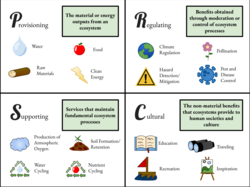
- Ecosystem services are categorized into four main groups: provisioning, regulating, supporting, and cultural services.
- The Millennium Ecosystem Assessment (MA) popularized this classification system in the early 2000s.
- Estimated economic value of ecosystem services and natural capital is between US$16 and $54 trillion per year.
- Some estimates suggest ecosystem services add between $125 trillion and $140 trillion to the global economy annually.
- Climate-driven shifts in biomes could cause a 9% average decline in ecosystem services globally by 2100.
The Four Categories of Ecosystem Services
To better understand how nature supports us, scientists and policymakers use a classification system popularized by the United Nations' Millennium Ecosystem Assessment. This system divides the benefits of nature into four distinct functional groups.
Provisioning Services
Provisioning services are the physical products obtained directly from ecosystems. These are the tangible resources that sustain human life and industry. Examples include:
- Food: Including seafood, game, crops, wild foods, and spices.
- Raw Materials: Such as lumber, skins, fuelwood, organic matter, fodder, and fertilizer.
- Genetic Resources: Essential for crop improvement and healthcare.
- Medicinal Resources: Including pharmaceuticals and chemical models.
- Energy: Such as hydropower and biomass fuels.
- Biogenic Minerals.
Regulating Services
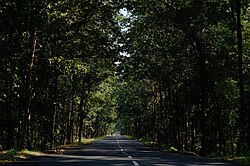
Regulating services are the benefits obtained from the regulation of ecosystem processes. These services act as natural buffers that maintain environmental stability. Key examples include:
- Climate Regulation: Through carbon sequestration, which helps mitigate climate change.
- Water and Air Purification: Natural filtration systems that clean the elements we depend on.
- Waste Management: The decomposition and detoxification of waste.
- Natural Pest Control: Through predation and biological control of diseases.
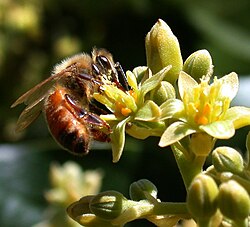
- Pollination: Essential for the reproduction of many plant species.
- Disturbance Regulation: Such as flood protection and buffer zones.

Supporting Services
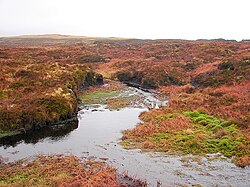
Supporting services are the foundational processes that are necessary for the production of all other ecosystem services. Without these, the other three categories would cease to function. They include:
- Nutrient Cycling: The movement and exchange of organic and inorganic matter back into the production of matter.
- Primary Production: The creation of organic compounds from atmospheric or aqueous carbon dioxide.
Cultural Services
Cultural services are the non-material benefits people obtain from ecosystems. These contribute to the mental, spiritual, and social well-being of humans. They encompass:
- Recreation and Tourism: Including ecotourism and outdoor sports.
- Spiritual and Historical Value: The use of nature for religious, heritage, or cultural significance.
- Aesthetic and Creative Inspiration: Nature as a motif in books, film, painting, and folklore.
- Scientific and Educational Value: Using natural systems for discovery and school excursions.
- Therapeutic Benefits: Such as eco-therapy and animal-assisted therapy.
Ecosystem Services in Practice: Coastal and Urban Environments
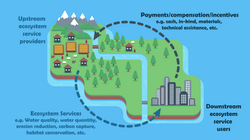
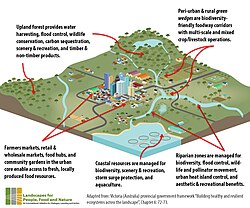
Different environments provide different services. For instance, estuarine and coastal ecosystems are highly productive marine environments. They provide provisioning services like marine and genetic resources, supporting services like nutrient cycling, regulating services like carbon sequestration and flood control, and cultural services like tourism.
In urban settings, ecosystem services are increasingly integrated into infrastructure design. Natural vegetation can be used to filter surface water, providing a sustainable way to manage drainage and water quality.
The Economics of Nature
Assigning economic value to ecosystem services is a complex but vital task. A 1997 study estimated the value of the world's ecosystem services and natural capital to be between US$16 and $54 trillion per year, with an average of US$33 trillion. Other estimates suggest the total value added to the economy is as high as $140 trillion annually.
However, some experts argue that the total value of biodiversity is infinite, making traditional economic debates potentially limited. As of 2012, many companies were still gaining awareness of their dependence on these services. Modern tools like InVEST (Integrated Valuation of Ecosystem Services & Tradeoffs) and the ARIES project are helping the private sector better assess and value these natural assets.
| Category | Primary Function | Examples |
|---|---|---|
| Provisioning | Material production | Food, water, timber, medicinal resources |
| Regulating | Process control | Climate regulation, pollination, flood control |
| Supporting | Foundational processes | Nutrient cycling, primary production |
| Cultural | Non-material benefits | Recreation, spiritual value, education |
Frequently Asked Questions
What is the difference between provisioning and regulating services?
Provisioning services are the physical goods we harvest from nature, such as food and wood. Regulating services are the natural processes that keep the environment stable, such as water purification and climate regulation.
Why are ecosystem services important for the economy?
Ecosystem services provide the raw materials, clean water, and climate stability that underpin almost all economic activity. Without these services, many industries would face massive costs or total failure.
How does climate change affect ecosystem services?
Climate change can cause shifts in biome ranges and disrupt natural processes. It is estimated that climate-driven shifts could lead to a 9% average decline in global ecosystem services by the year 2100.
What are supporting services?
Supporting services are the underlying natural processes, such as nutrient cycling and oxygen production, that make all other ecosystem services possible.
Can we put a price on nature?
Yes, economists use various methodologies to assign monetary value to ecosystem services to help in decision-making. However, some argue that the true value of biodiversity is infinite and cannot be fully captured by money.