Earl Marshal of England
The Earl Marshal is a hereditary royal officeholder and one of the Great Officers of State in the United Kingdom. Ranking as the eighth of these high officers—positioned below the Lord High Constable of England and above the Lord High Admiral—the Earl Marshal plays a pivotal role in the ceremonial life of the British monarchy.
Since 1672, this prestigious office has been held by the Dukes of Norfolk. The current incumbent is Edward Fitzalan-Howard, the 18th Duke of Norfolk, who assumed the role on June 24, 2002. While similar offices once existed in Ireland and Scotland, the Earl Marshal of England remains the primary authority for state ceremonial organization and heraldic regulation.
Key Facts
- Current Holder: Edward Fitzalan-Howard, 18th Duke of Norfolk.
- Status: Hereditary Great Officer of State.
- Primary Responsibility: Organizing major state ceremonies, including coronations and state funerals.
- Heraldic Authority: Oversees the College of Arms and serves as the sole judge of the High Court of Chivalry.
- Symbol of Office: A gold baton with black finishes at either end.
- Precedence: The highest hereditary position in the UK outside the Royal Family (excluding the Lord Great Chamberlain).
Duties and Responsibilities
Historically, the Earl Marshal was responsible for the monarch's horses and stables, as well as related military operations. However, as the societal role of chivalry evolved, the office transitioned from military management to ceremonial leadership.
State Ceremonies
Today, the Earl Marshal is the chief architect of the UK's most significant state events. This includes the organization of coronations at Westminster Abbey, state funerals, and the determination of the order of ceremony for the annual State Opening of Parliament.
Heraldry and the College of Arms
The Earl Marshal serves as the leading officer of arms for England, Wales, Northern Ireland, and specific Commonwealth realms. In this capacity, he oversees the College of Arms—the official body responsible for genealogy and heraldry. No coat of arms may be granted without his warrant.
The High Court of Chivalry
The Earl Marshal acts as the sole judge of the High Court of Chivalry. This court historically administered justice according to the law of arms, dealing with military matters such as ransoms, booty, soldiers' wages, and the misuse of armorial bearings.
Historical Evolution
The concept of a royal marshal existed across Europe to protect the monarch and manage horses. In England, the office became hereditary under John FitzGilbert the Marshal (c. 1130–1165) following the period of civil war known as The Anarchy.
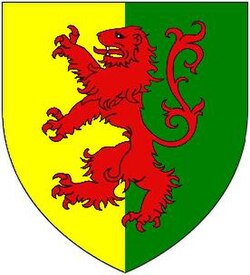
The office rose to prominence under William Marshal, 1st Earl of Pembroke, who served multiple kings and acted as regent during the childhood of Henry III.
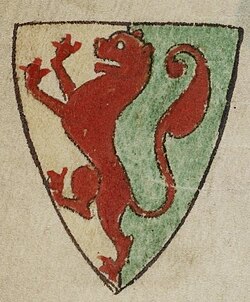
Over time, the title passed through marriage and inheritance to the Earls of Norfolk. In 1672, the office and title were formally made hereditary within the Howard family via Letters Patent. By 1673, the powers of the Earl Marshal were explicitly defined, granting him the authority to judge matters of nobility and chivalry, nominate officers to the College of Arms, and regulate the granting of patents of arms.
Parliamentary Status
While the House of Lords Act 1999 removed the automatic right of hereditary peers to sit in the House of Lords, the Earl Marshal was granted a continuing seat to perform ceremonial functions. Subsequent reforms in the House of Lords (Hereditary Peers) Act 2026 removed the right to vote for remaining hereditary peers but preserved the ceremonial functions of the Earl Marshal.
Summary of the Office
| Feature | Details |
|---|---|
| Incumbent | 18th Duke of Norfolk |
| Succession | Hereditary (Howard family since 1672) |
| Rank | 8th Great Officer of State |
| Key Institutions | College of Arms, High Court of Chivalry |
| Primary Events | Coronations, State Funerals, State Opening of Parliament |
Frequently Asked Questions
Who is the current Earl Marshal?
The current Earl Marshal is Edward Fitzalan-Howard, the 18th Duke of Norfolk, who has held the office since June 2002.
What is the difference between the Earl Marshal and the Lord High Constable?
While both historically managed the king's stables, the Lord High Constable ranks higher in precedence. Over time, the Earl Marshal's role evolved to focus on heraldry and the organization of state ceremonies.
Does the Earl Marshal still have legal power?
Yes, the Earl Marshal is the sole judge of the High Court of Chivalry and holds the authority to grant or deny warrants for coats of arms through the College of Arms.
Is the position of Earl Marshal elected?
No, the position is hereditary. Since 1672, it has been held by the Dukes of Norfolk.
What is the significance of the gold baton?
The gold baton with black finishes at either end serves as the official symbol of the Earl Marshal's office.