Durban: The Vibrant Hub of KwaZulu-Natal
Durban, known formally as the eThekwini metropolitan municipality, is a cornerstone of South African urban life. Established on August 24, 1824, and named after Benjamin D'Urban, this coastal city has evolved into a major economic engine and a cultural melting pot. As the third-largest city in South Africa and the 17th largest in Africa, Durban blends a rich colonial and indigenous history with a modern, fast-paced metropolitan energy.
From its bustling harbor to its world-class sporting venues, the city serves as a primary gateway for trade and tourism in the KwaZulu-Natal province.
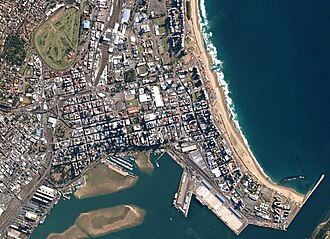
Key Facts
- Established: August 24, 1824.
- Population: Approximately 4.2 million in the metro area (2011).
- Economy: A GDP of US$ 83.9 billion with a per capita GDP of US$ 16,575.
- Geography: Located in KwaZulu-Natal, South Africa, at coordinates 29°53′S 31°03′E.
- Key Infrastructure: Home to the Durban Harbour and King Shaka International Airport.
Geography and Climate
Durban is characterized by its subtropical climate, offering warm temperatures and significant rainfall throughout the year. The city is well-known for its humidity and sunshine, making it a premier destination for those seeking a warmer coastal environment.
| Metric | Warmest Month (Jan/Feb) | Coolest Month (Jul) | Annual Average/Total |
|---|---|---|---|
| Mean Daily Max Temp | 28.0°C – 28.6°C | 22.8°C | 25.4°C (Yearly Mean) |
| Mean Daily Min Temp | 20.5°C – 21.3°C | 13.0°C | 16.8°C (Yearly Mean) |
| Average Precipitation | 108.2mm – 121.6mm | 58.5mm | 975.6mm |
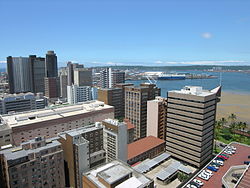
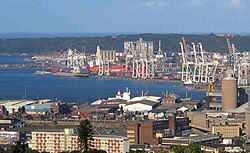
The city's layout is defined by its relationship with the Indian Ocean, centered around the vital Durban Harbour, which facilitates a massive portion of the region's trade.
Demographics and Culture
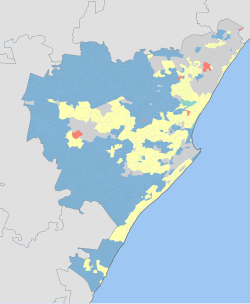
Durban is one of the most diverse cities in South Africa. The population is a blend of various ethnic groups, with Black Africans making up 51.1% and Indian/Asian residents accounting for 24.0% (2011 data). White and Coloured populations make up 15.3% and 8.6% respectively.
This diversity is reflected in the linguistic landscape. While English is the most common first language (49.8%), Zulu is spoken by 33.1% of the population, followed by Xhosa (5.9%) and Afrikaans (3.6%).
Education and Intellectual Life
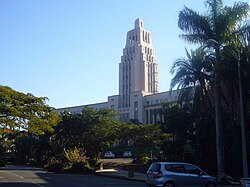
The city is a center for higher learning, hosting several prestigious institutions including the University of KwaZulu-Natal, Durban University of Technology, and Mangosuthu University of Technology. The educational landscape is further supported by a wide array of public and private schools, ranging from the Durban High School to specialized colleges like Al Falaah and Crawford College.
Tourism, Sport, and Landmarks
Durban is a magnet for tourists, offering a mix of natural beauty and man-made attractions. The city is home to uShaka Marine World, the Durban Botanic Gardens, and the Hawaan Forest. For those interested in art and history, the Durban Art Gallery and the Natural Science Museum provide deep insights into the region's heritage.
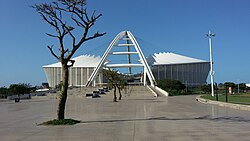
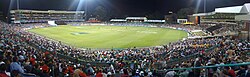
Sport is deeply ingrained in the city's identity. Durban has hosted major events, including the 2010 FIFA World Cup, utilizing venues like the Moses Mabhida Stadium. Other notable sporting sites include the Kingsmead Cricket Ground and the Greyville Racecourse, famous for the Durban July Handicap.
Infrastructure and Transport
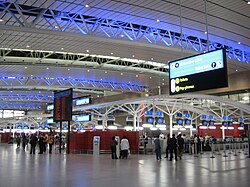
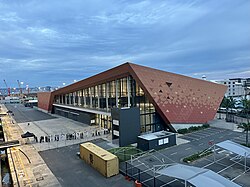
The city's connectivity is managed through a complex network of air, sea, and road transport. The King Shaka International Airport serves as the primary aerial gateway, while the Durban Harbour remains one of the most significant ports in Africa.
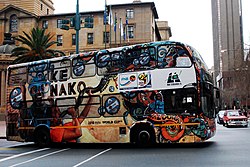
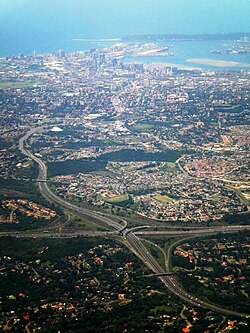
On the ground, the N3 freeway is the critical artery connecting Durban's Central Business District (CBD) to the interior of South Africa. The city also maintains a unique transport culture, featuring traditional Zulu rickshaws alongside modern buses and taxis.
Frequently Asked Questions
What is the official municipality name for Durban?
Durban is part of the eThekwini Metropolitan Municipality.
Which languages are most commonly spoken in Durban?
English is the most common first language (49.8%), followed by Zulu (33.1%), Xhosa (5.9%), and Afrikaans (3.6%).
What are the major tourist attractions in the city?
Key attractions include uShaka Marine World, the Moses Mabhida Stadium, the Durban Botanic Gardens, and the Durban Art Gallery.
How does the climate in Durban typically feel?
Durban has a subtropical climate with warm temperatures year-round and an annual average precipitation of approximately 975.6mm.
What is the economic scale of Durban?
The city has a GDP of approximately US$ 83.9 billion, with a GDP per capita of US$ 16,575.