2010 FIFA World Cup: Spain's Triumph in South Africa
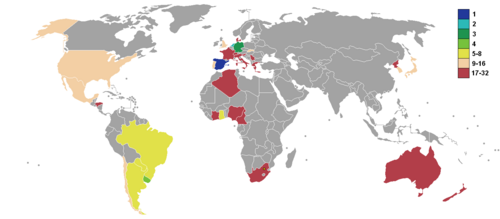
The 2010 FIFA World Cup marked a historic milestone as the first time the prestigious football tournament was hosted on the African continent. Held in South Africa from June 11 to July 11, the event brought together 32 teams from six confederations, creating a global spectacle of sport, culture, and passion.
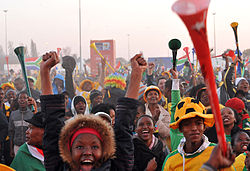
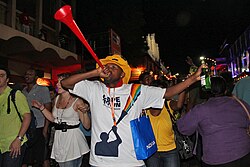
The tournament is remembered not only for the high-stakes drama on the pitch but also for the unique atmosphere in the stands, characterized by the omnipresent sound of the vuvuzela—a plastic horn that became the sonic symbol of the event.
Key Facts
- Host Country: South Africa
- Champion: Spain (their first title)
- Runner-up: Netherlands
- Total Goals: 145 (average of 2.27 per match)
- Total Attendance: 3,178,856 spectators
- Top Scorers: Diego Forlán, Thomas Müller, Wesley Sneijder, and David Villa (5 goals each)
- Best Player: Diego Forlán
Tournament Infrastructure and Venues
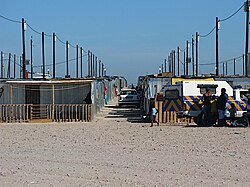
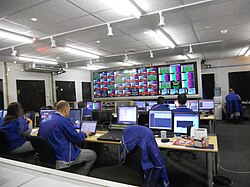
South Africa utilized 10 venues across nine host cities to accommodate the massive scale of the tournament. The centerpiece was the FNB Stadium, also known as Soccer City in Johannesburg, which boasted a capacity of 84,490 and hosted the final match.
Other major venues included the Cape Town Stadium, Moses Mabhida Stadium in Durban, and Ellis Park Stadium. To ensure the event met international standards, FIFA oversaw the upgrade of several smaller stadiums, including the Orlando and Rand stadiums.
Host Cities and Stadiums
| City | Stadium | Capacity |
|---|---|---|
| Johannesburg | FNB Stadium (Soccer City) | 84,490 |
| Cape Town | Cape Town Stadium | 64,100 |
| Durban | Moses Mabhida Stadium | 62,760 |
| Johannesburg | Ellis Park Stadium | 55,686 |
| Port Elizabeth | Nelson Mandela Bay Stadium | 42,486 |
The Road to the Final
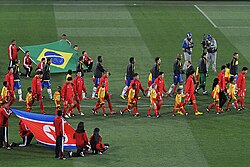
The tournament began with a group stage where teams were divided into eight groups. The group stage is the initial phase where teams play in a round-robin format to determine who advances to the knockout rounds based on points, goal difference, and goals scored.
Spain, the eventual winners, navigated a challenging Group H, securing their place in the knockout stage alongside Chile. Other notable performances included Germany's dominant 4-0 victory over Argentina in the quarter-finals and the Netherlands' strong run to the final.
The Knockout Stage
The knockout stage transitioned into a single-elimination format. The semi-finals saw Spain defeat Germany 1-0 with a goal from Carles Puyol, while the Netherlands overcame Uruguay 3-2 in a thrilling encounter.
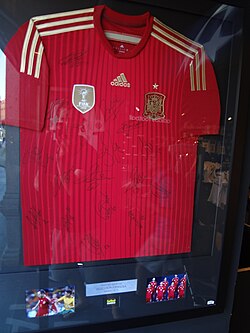
The final, held on July 11 at Soccer City, was a tense affair between Spain and the Netherlands. The match remained scoreless through 90 minutes and entered extra time, where Andrés Iniesta scored the winning goal in the 116th minute to secure Spain's first-ever World Cup title.
Tournament Symbols and Legacy
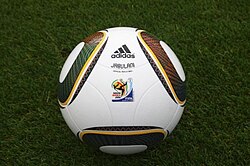
Beyond the football, the 2010 World Cup was defined by its branding and cultural impact. The official match ball, the Adidas Jabulani, became a point of discussion among players and analysts for its flight characteristics.
The event also featured the official song "Waka Waka (This Time for Africa)" and the widespread use of vuvuzelas, which provided a unique, albeit loud, soundtrack to every match.
Financial Rewards
FIFA distributed significant prize money based on the stage at which teams were eliminated. The champions, Spain, received US$30 million, while the runners-up received US$24 million. Teams eliminated in the group stage were awarded US$8 million each.
Frequently Asked Questions
Who won the 2010 FIFA World Cup?
Spain won the tournament, claiming their first World Cup title after defeating the Netherlands 1-0 in the final.
Who was the top scorer of the tournament?
Four players shared the top scorer honor with 5 goals each: Diego Forlán, Thomas Müller, Wesley Sneijder, and David Villa.
What was the name of the official match ball?
The official match ball used during the 2010 tournament was the Adidas Jabulani.
Which player was named the best player of the tournament?
Diego Forlán was awarded the title of best player for his outstanding performance.
Where was the final match played?
The final was played at the FNB Stadium (Soccer City) in Johannesburg, South Africa.