Duke Farms: A Model of Environmental Stewardship
Duke Farms, managed by the Doris Duke Foundation, has evolved from a private estate into a premier center for environmental education. The estate underwent a comprehensive transformation to serve as a 21st-century model of environmental stewardship—the responsible use and protection of the natural environment—designed to inspire visitors to become informed guardians of the land.
The Path to Ecological Restoration
The transition to a public resource involved a significant shift in philosophy regarding land management. To prioritize ecological health, the Doris Duke Foundation undertook a massive rehabilitation project. This process included the removal of invasive foreign plants, such as the Asian Ailanthus and Norwegian maple, which were replaced with native species to better support the local ecosystem.
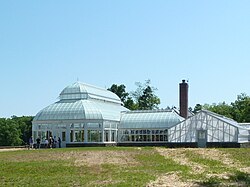
While the renovation process was not without controversy—most notably the 2008 demolition of the original indoor display gardens created by Doris Duke—the result was a series of new indoor and outdoor gardens. These modern displays are designed to be eco-friendly, utilize native flora, and ensure full wheelchair accessibility for all visitors.
Biodiversity and Botanical Treasures
The commitment to restoration has turned the property into a sanctuary for diverse wildlife. The restored habitats now support 30 endangered species and 230 varieties of birds, including iconic species such as the bald eagle and the great blue heron.
Beyond the wildlife, the estate is home to remarkable botanical specimens. Duke Farms boasts four of the ten oldest trees in New Jersey, as well as two champion trees (the largest or healthiest of their species in a given area): a Northern Red Oak and an Amur Cork Tree.
Public Access and Infrastructure
Following a $45-million renovation, Duke Farms officially opened to the public on May 19, 2012. The facility operates as a free, inclusive resource intended to help people find their place in nature.
In 2016, the foundation took the significant step of demolishing the mansion where Doris Duke once lived. This decision was made to open the north side of the property, providing the public with direct access to the Borough of Raritan and the Raritan Greenway trails.
Key Facts
- Opening Date: May 19, 2012.
- Investment: $45 million renovation cost.
- Wildlife: Home to 230 bird varieties and 30 endangered species.
- Botany: Contains two champion trees and four of New Jersey's ten oldest trees.
- Accessibility: Fully wheelchair accessible gardens and free public admission.
| Category | Details |
|---|---|
| Removed Invasive Species | Norwegian maple, Asian Ailanthus |
| Champion Trees | Northern Red Oak, Amur Cork Tree |
| Notable Bird Species | Bald eagle, Great blue heron |
| Connected Trails | Raritan Greenway |
Frequently Asked Questions
What is the primary mission of Duke Farms?
Duke Farms aims to be a model of environmental stewardship, inspiring visitors to become guardians of the planet through a free and inclusive resource.
Which invasive species were removed during the restoration?
The rehabilitation process involved removing foreign invasive plants, specifically the Asian Ailanthus and the Norwegian maple, to make room for native species.
What happened to the Doris Duke mansion?
The mansion was demolished in 2016 to open the north side of the property, facilitating better access to the Borough of Raritan and the Raritan Greenway trails.
Is Duke Farms accessible to people with disabilities?
Yes, the new indoor and outdoor display gardens were specifically designed to be wheelchair accessible.
What makes the trees at Duke Farms notable?
The property hosts four of the ten oldest trees in the state of New Jersey and two champion trees: an Amur Cork Tree and a Northern Red Oak.