Dubrovnik: The Pearl of the Adriatic and Its Rich Maritime Legacy
Perched along the stunning Dalmatian coast of Croatia, Dubrovnik stands as one of the most significant historical and cultural landmarks in the Mediterranean. Often referred to by its poetic nicknames, "Pearl of the Adriatic" and "Thesaurum mundi" (Treasury of the World), this coastal city offers a profound window into the maritime power and architectural brilliance of the former Republic of Ragusa.
From its origins as a vital trading hub to its status as a UNESCO World Heritage Site, Dubrovnik has weathered earthquakes, foreign rule, and modern conflict, emerging each time with its unique character intact. Today, it remains a premier destination for those seeking to walk through living history.
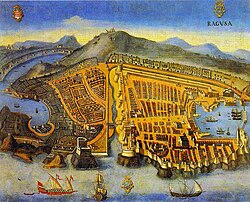
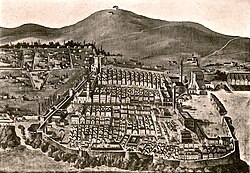
Painting of Ragusa from 1667
Key Facts
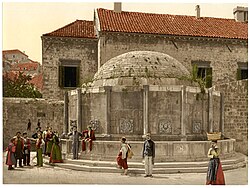
- Official Name: Old City of Dubrovnik (Stari grad Dubrovnik)
- UNESCO Status: Designated in 1979
- Patron Saint: Saint Blaise
- Nicknames: "Pearl of the Adriatic", "Thesaurum mundi"
- Region: Dalmatia, Croatia
- Primary Landmark: The Dubrovnik City Walls
The Historical Legacy of the Republic of Ragusa
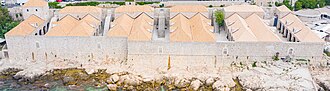
Long before it was part of modern Croatia, the city was the heart of the Republic of Ragusa. This independent maritime republic was a powerhouse of trade and diplomacy in the Adriatic. The city's ability to maintain autonomy through strategic political maneuvering allowed it to flourish as a center of culture, science, and commerce.
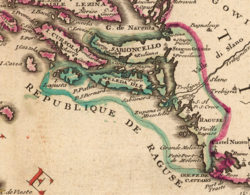
Territory of the Republic of Ragusa in the early 18th century. Cropped from a map by French cartographer Nicolas de Fer titled Le Golfe de Venise (etc.). Circa 1716.
The city's history is marked by periods of significant transition, including Austrian rule and the Yugoslav period. Notably, the city faced a devastating siege in 1991, which resulted in damage to its historic fabric, including the famous Stradun. However, extensive restoration efforts have preserved the integrity of the Old Town for future generations.
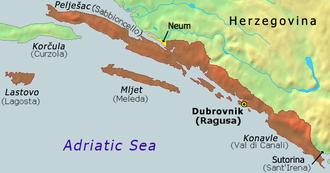
Territory of the Republic before 1808
Architectural Wonders and Urban Design
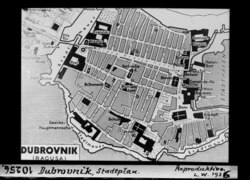
The Old City of Dubrovnik is a masterpiece of urban planning. At its heart lies the Stradun, the limestone-paved main street that serves as the city's social and commercial artery. The architecture reflects a blend of styles accumulated over centuries, from Gothic to Baroque.
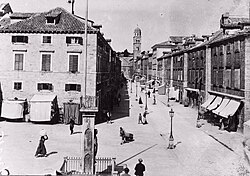
Dubrovnik's Stradun in 1910
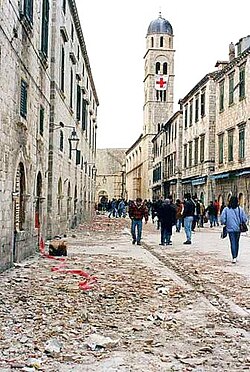
Stradun shelled during the Siege of Dubrovnik (1991)
Iconic Monuments
Visitors to Dubrovnik can explore a variety of significant structures that highlight the city's former administrative and religious importance:
- Rector's Palace: The seat of the Republic's government.
- Sponza Palace: A key historical building used for various administrative purposes.
- Dubrovnik Cathedral: A central religious landmark.
- Jesuit College: A testament to the city's educational history.
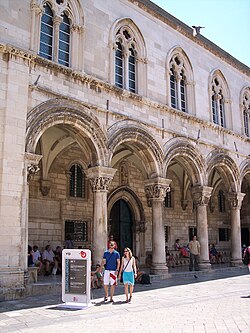
Rector's Palace
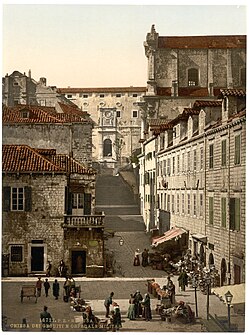
Dubrovnik's former Jesuit college and Jesuit stairs c. 1900
The Defensive Walls
Perhaps the most recognizable feature of the city is the Dubrovnik Walls. These massive fortifications were designed to protect the city from naval and land-based invasions, and they remain one of the most impressive defensive systems in Europe.
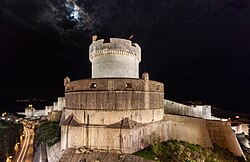
Minčeta Tower
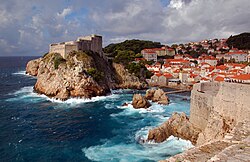
Lovrijenac and Bokar fortifications
Geography and the Surrounding Islands

Dubrovnik's geography is defined by its relationship with the sea. The city is surrounded by a beautiful archipelago, including the Elaphiti Islands. Notable islands in the vicinity include Lopud, Koločep, and Lokrum, the latter of which sits just behind the Old Town.
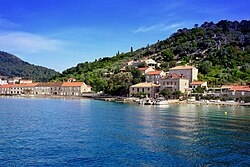
Lopud Island
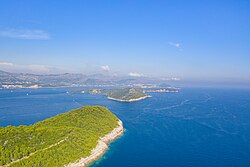
Koločep island
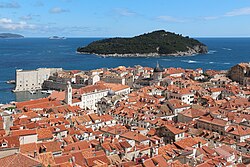
Lokrum island behind Dubrovnik's old town
The landscape is characterized by a Mediterranean climate, featuring warm summers and mild winters, making it an ideal location for maritime activities and tourism.
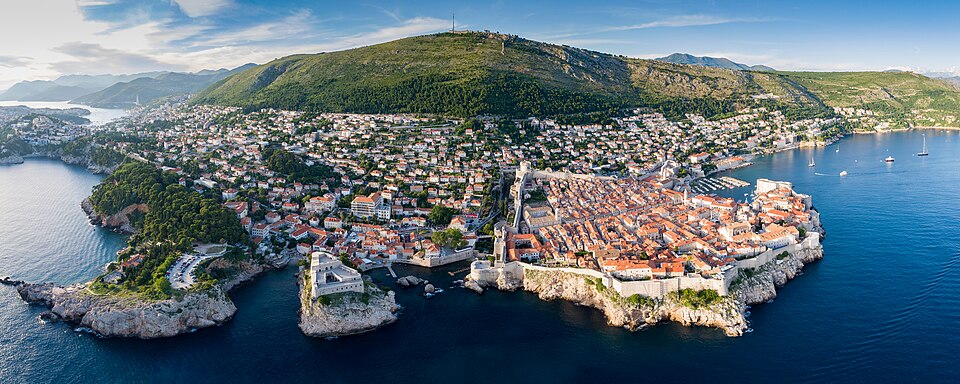
Panoramic view of Dubrovnik
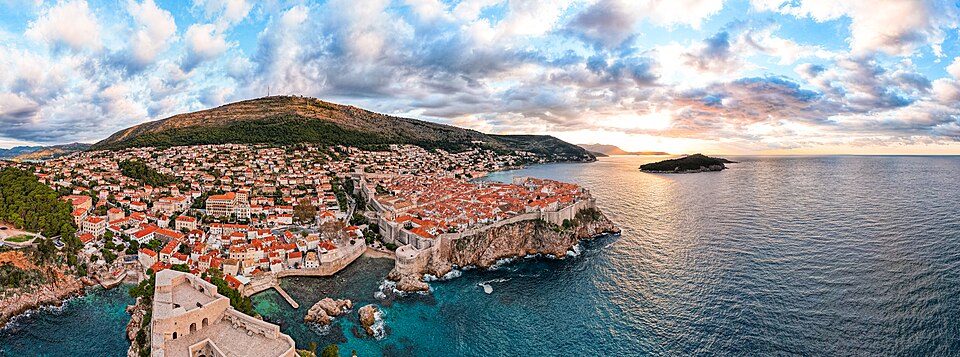
Panorama of Dubrovnik during sunrise and island of Lokrum
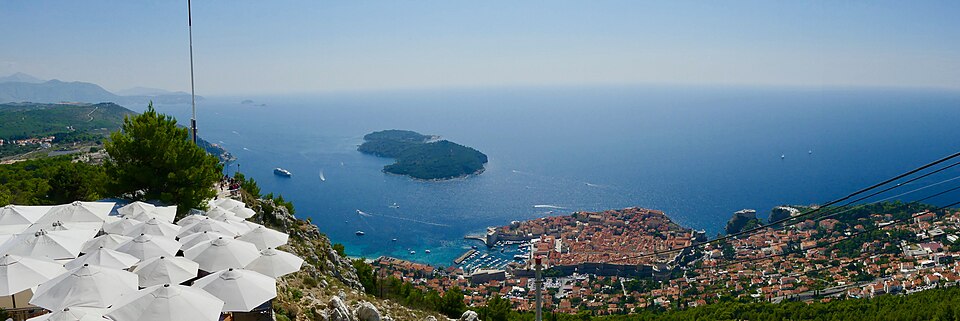
Panoramic view of Dubrovnik from Srđ mountain
Summary of Dubrovnik City Profile
| Category | Details |
|---|---|
| Country | Croatia |
| Region | Dalmatia |
| Population (2021) | 41,562 |
| Area (City) | 142.6 km² |
| Time Zone | UTC+1 (CET) / UTC+2 (CEST) |
| UNESCO Site | Old City of Dubrovnik (since 1979) |
Frequently Asked Questions

What is the significance of the Republic of Ragusa?
The Republic of Ragusa (modern-day Dubrovnik) was a highly successful maritime city-state that maintained independence for centuries through trade and diplomacy, significantly influencing Mediterranean history.
When was the Old City of Dubrovnik designated a UNESCO World Heritage Site?
The Old City of Dubrovnik was inscribed as a UNESCO World Heritage Site in 1979.
What are the main islands near Dubrovnik?
Key islands in the vicinity include Lokrum, Lopud, and Koločep, which are part of the broader Elaphiti Islands group.
What is the climate like in Dubrovnik?
Dubrovnik enjoys a Mediterranean climate, characterized by warm, sunny summers and mild winters, with average sea temperatures ranging from approximately 14°C in winter to 25°C in summer.
Who is the patron saint of Dubrovnik?
The patron saint of the city is Saint Blaise.