DSA: Promoting Road Safety and Driver Standards
The DSA (Driving Standards Agency) served as a national organization dedicated to enhancing road safety across Great Britain. By influencing the behavior of both drivers and riders, the agency worked to ensure that those using the road were competent, well-trained, and held to a rigorous national standard.
Operating as a Trading Fund, the DSA generated its revenue primarily through fees and various road safety initiatives. In the 2009-10 period, the organization reported a turnover exceeding £184 million, reflecting its significant role in the national transport infrastructure.
Key Facts
- Headquarters: Located in Nottingham, with additional administrative centers in Cardiff and Newcastle.
- Infrastructure: Operated approximately 400 practical test centres and 150 theory test centres.
- Workforce: Employed around 2,400 staff, including 1,789 practical driving examiners.
- Financials: 2009-10 turnover of over £184 million.
- Core Mission: Promoting road safety through education, registration, and testing.
Operational Scope and Infrastructure
To maintain a nationwide presence, the DSA established a network of specialized facilities. While the main headquarters were in Nottingham, the agency utilized a dedicated training and learning materials centre in Cardington, Bedfordshire. This distributed model allowed the agency to manage a vast array of testing sites across Great Britain.
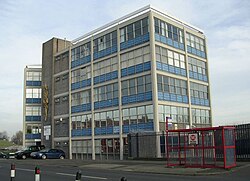
The agency's workforce was composed of a mix of frontline examiners and support staff. As of the reporting period, the DSA employed 1,789 practical driving examiners and 728 administrative staff and managers. Plans were in place to increase the total headcount to 2,769 by March 2011, though this was subject to trading conditions and government recruitment freezes.
Aims and Objectives
The primary mission of the DSA was to foster a safer road environment by regulating the quality of driver and rider education. This was achieved through several critical functions:
- Setting Standards: Establishing the benchmarks for pre-driver education and the training of driver instructors.
- Instructor Oversight: Registering and supervising Approved Driving Instructors (ADIs) to ensure quality assurance.
- Testing: Conducting both theory and practical tests for drivers and riders.
- Integrity Management: Investigating identity fraud and cases of impersonation during theory and practical examinations.
- Innovation: Developing the future of testing and education through the "Learning to Drive" programme.
Governance and Board Structure
The DSA operated under a structured hierarchy to ensure accountability and financial stability. The Chief Executive held overall responsibility for the agency's activities and internal controls, reporting directly to the Secretary of State. The Director General of Motoring and Freight Services served as the additional accounting officer.
Executive and Oversight Committees
The Chief Executive was supported by an executive board, which included two non-executive directors and met monthly to provide strategic advice. To ensure transparency, several specialized groups managed specific areas of the organization:
- Audit and Risk Management Committee: Comprised of non-executive directors, this independent body provided assurance on corporate governance and financial risks.
- Change Board: This group oversaw the investment plan for change projects and programmes.
- Operational Performance Group: Chaired by the operations director, this group monitored business plan objectives and performance targets.
DSA Organizational Summary
| Category | Details |
|---|---|
| Main Headquarters | Nottingham |
| Practical Test Centres | ~400 |
| Theory Test Centres | ~150 |
| Total Staff (Approx.) | 2,400 |
| 2009-10 Turnover | >£184 million |
Frequently Asked Questions
What was the primary goal of the DSA?
The primary aim of the DSA was to promote road safety by influencing the behavior of drivers and riders through standardized education and rigorous testing.
How did the DSA fund its operations?
The DSA operated as a Trading Fund, meaning it was mainly funded through fees and revenue generated from other road safety initiatives.
Who were the Approved Driving Instructors?
Approved Driving Instructors were quality-assured trainers who were registered and supervised by the DSA to ensure they met national standards for driver education.
How did the DSA handle test fraud?
The agency was responsible for investigating suspected cases of identity fraud and impersonations during both practical and theory driving tests.
What was the role of the Change Board?
The Change Board, attended by the Chief Executive and relevant directors, was responsible for overseeing the management and development of the agency's investment plan and change projects.