Drugs: Science, Classification, and Applications
A drug is defined as any chemical substance—excluding nutrients or essential dietary ingredients—that produces a biological effect when administered to a living organism. While the term is often associated with illegal substances in modern conversation, it encompasses a vast range of chemicals used for medical, spiritual, and recreational purposes.
Pharmaceutical drugs, also known as medications or medicines, are specifically used to treat, cure, prevent, or diagnose diseases, or to promote general well-being. Historically, these substances were extracted from medicinal plants, though modern medicine relies heavily on organic synthesis to create precise chemical compounds.
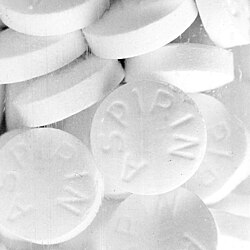
Key Facts
- Definition: A chemical substance (non-nutrient) that triggers a biological response in a living organism.
- Classification: Drugs are grouped by chemical structure, mechanism of action, or absorption properties (e.g., ATC and BCS systems).
- Personalized Medicine: Drug efficacy often depends on a patient's genotype, leading to the development of targeted therapies.
- Administration: Common routes include oral ingestion, inhalation, injection, and topical application.
- Legal Status: Drugs range from over-the-counter and prescription medicines to strictly controlled substances.
Drug Classification Systems
To organize the vast array of available medications, scientists use specific classification systems. These groups, known as drug classes, typically consist of medications with similar chemical structures or those that bind to the same biological target to treat the same disease.
Anatomical Therapeutic Chemical (ATC) System
The ATC system is the most widely utilized classification method. It assigns each drug a unique alphanumeric code that categorizes it based on the organ or system it affects and its therapeutic, pharmacological, and chemical properties.
Biopharmaceutics Classification System (BCS)
Unlike the ATC, the BCS focuses on the physical properties of the drug. It classifies substances based on their solubility (how well they dissolve) and permeability (how easily they are absorbed by the body).
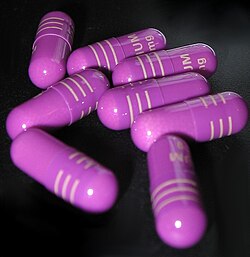
Efficacy and Personalized Medicine
Drug action is highly specific, and a medication that works for one person may be ineffective for another. For example, the ten highest-grossing drugs in the United States may only benefit between 4% and 25% of the population.
This variance is often due to a patient's genotype (their specific genetic makeup). For instance, the drug Erbitux (cetuximab) improves survival rates for colorectal cancer patients only if they possess a specific mutation in the EGFR gene. Similarly, Vemurafenib is approved specifically for melanoma patients with a BRAF gene mutation. Because Phase III clinical trials are expensive—costing between $100 million and $700 million per drug—there is a strong drive toward personalized medicine, which adapts treatments to the individual patient.
Medication and Legal Status
Pharmaceuticals are typically produced by companies that hold patents, granting them exclusive production rights for a set period. Once a patent expires, other companies can produce generic drugs without needing a license from the original developer.
In the United Kingdom, "pharmacy medicines" (marked with a 'P' on the label) are behind-the-counter medications that must be sold under the supervision of a pharmacist. The availability of non-prescription medicines varies significantly by country.
Spiritual, Recreational, and Designer Drugs
Beyond clinical medicine, chemicals are used for spiritual and recreational purposes.
Entheogens
Some ethnic religions utilize entheogens—psychoactive substances, often hallucinogens, used to induce spiritual experiences. Examples include kava, which can act as a sedative or anesthetic, and psilocybin (magic mushrooms).


Designer and Recreational Drugs
Designer drugs are synthesized substances created to mimic the effects of other psychoactive drugs or to enhance physical performance (such as designer steroids). LSD, synthesized from ergot, is an early example. Synthetic cannabinoids are another modern variation.
Recreational drug use involves taking substances to alter consciousness and create positive emotions. While some are illegal, others are culturally accepted and legal, such as caffeine, tobacco, and alcohol. Cannabis remains the most commonly consumed controlled recreational drug globally, though its legal status varies by jurisdiction.
![Cannabis is a commonly used recreational drug.[36]](/images/be/97/be9756369da8552c8a57d79d5d8a020f2d6ea7b6cb559969c57927a061c90dd0.jpg)
Routes of Administration
The method by which a drug enters the body is known as the route of administration. Many drugs can be administered in multiple ways:
- Inhalation: Breathed into the lungs via aerosols, vapes, or smoking.
- Insufflation: Administered through the nose via sprays or snorting.
- Oral: Swallowed as a liquid or solid and absorbed through the intestines.
- Rectal: Absorbed via the rectum or colon using a suppository.
- Topical: Applied as a cream or ointment for local or systemic effect.
A bolus refers to the administration of a drug intended to raise the blood concentration to an effective level rapidly, regardless of the route used.
Drug Control and Regulation
Governments and international bodies regulate drug manufacture and use to prevent abuse. The 1961 Single Convention on Narcotic Drugs prohibits narcotics except for medical and research purposes, while the 1971 Convention on Psychotropic Substances addresses newer psychedelic and psychoactive drugs. In India, the Narcotics Control Bureau (NCB) enforces these laws under the Narcotic Drugs and Psychotropic Substances Act.
| Category | Primary Purpose | Examples/Systems |
|---|---|---|
| Pharmaceutical | Treat, cure, or prevent disease | ATC System, BCS System |
| Entheogen | Spiritual or religious use | Kava, Psilocybin |
| Designer | Mimic psychoactive effects/Performance | LSD, Synthetic Cannabinoids |
| Recreational | Alter consciousness/Positive emotion | Alcohol, Caffeine, Cannabis |
Frequently Asked Questions
What is the difference between a brand-name drug and a generic drug?
A brand-name drug is produced by a company that holds a patent for the substance. A generic drug is a version produced by other companies after the original patent has expired or if no patent existed.
Why do some drugs only work for certain people?
Drug efficacy often depends on a person's genotype. Specific genetic mutations can determine whether a drug, such as Vemurafenib or Erbitux, will be effective in treating a particular condition.
What is a bolus administration?
A bolus is a method of giving a medication to rapidly increase its concentration in the bloodstream to an effective level, regardless of whether it is injected, inhaled, or taken another way.
What are entheogens?
Entheogens are psychoactive substances, typically hallucinogens like psychedelics or dissociatives, used specifically in religious or spiritual contexts.
How does the ATC system classify drugs?
The Anatomical Therapeutic Chemical (ATC) system uses alphanumeric codes to group drugs based on the organ system they act upon and their therapeutic, pharmacological, and chemical properties.