Understanding Drought: Causes, Impacts, and Global Risks
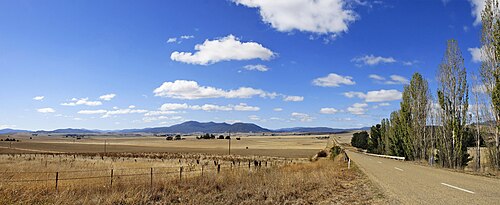
A drought is a period of drier-than-normal conditions that can persist for days, months, or even years. While sometimes appearing as a slow-moving weather event, its consequences are often rapid and devastating. Droughts significantly impact ecosystems, disrupt agriculture, and can cripple local economies. In tropical regions, annual dry seasons increase the likelihood of drought development, which in turn raises the risk of wildfires.
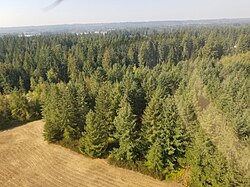
The relationship between heat and water is critical. Heat waves can exacerbate drought conditions by increasing evapotranspiration—the process by which water is transferred from the land to the atmosphere by evaporation from the soil and by transpiration from plants. This process dries out forests and vegetation, creating a surplus of fuel for intense wildfires.
Key Facts
- Droughts can be categorized by their environmental, economic, and social impacts.
- Climate change is making droughts more extreme and less predictable.
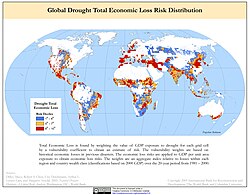
- The Amazon basin, Australia, the Sahel, and India are regions at increased risk.
- Droughts can lead to mass migration, social unrest, and conflict over natural resources.
- Approximately 2.4 billion people live in the Himalayan river drainage basin, a region highly vulnerable to water fluctuations.
The Drivers of Drought
Drought is a recurring feature of the global climate, but its patterns are shifting. Modern scientific studies, including dendrochronological (tree-ring) analysis, allow us to track these patterns back to at least 1900. Today, several factors contribute to the development and severity of these events:
Precipitation and Seasonal Cycles
The most fundamental cause is a general deficiency in precipitation. In many parts of the world, natural dry seasons provide a baseline, but when these periods extend beyond normal parameters, a drought begins. Additionally, the El Niño–Southern Oscillation (ENSO)—a periodic fluctuation in sea surface temperatures in the equatorial Pacific—plays a major role in shifting global weather patterns and triggering dry spells.
Climate Change and Human Activity
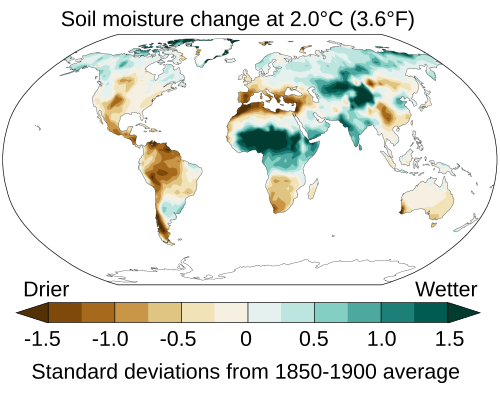
Climate change is a primary driver in making droughts more frequent and severe. As global temperatures rise, the intensity of weather events is expected to increase. Furthermore, human activities such as vegetation changes and land erosion can exacerbate the drying of a landscape, creating a feedback loop that worsens the condition.
![There will likely be multiplicative increases in the frequency of extreme weather events compared to the pre-industrial era for heat waves, droughts and heavy precipitation events, for various climate change scenarios.[46]](/images/b5/70/b5707d16d34447db78105e562716f834b99c17da4934351b2d7bfa6cb57c7d60.webp)
Monitoring Drought
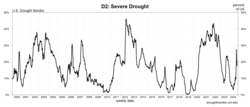
To manage these risks, scientists use various indices to measure severity, including the Deciles index and the Standardized Runoff Index, which helps track the availability of water in river systems.
The Multi-Faceted Impacts of Drought
The consequences of drought are rarely limited to a single sector. Instead, they ripple through environmental, economic, and social systems.
Environmental Consequences
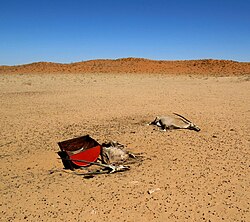
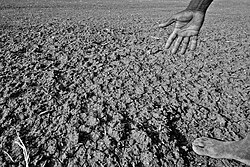
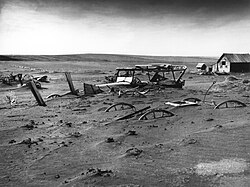
Nature suffers through the drying of wetlands, a loss of biodiversity, and the occurrence of larger, more frequent wildfires. In arid regions, drought can lead to desertification—the process by which fertile land becomes desert—and the formation of dust bowls, where wind erosion strips away the landscape.
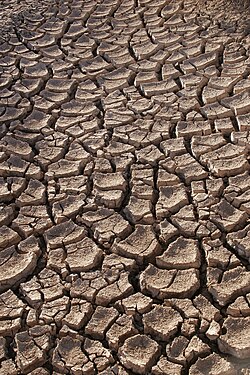
Drought also causes habitat damage for both terrestrial and aquatic wildlife. In some cases, it can even trigger unusual animal behaviors, such as snake migrations, which may lead to increased snake-bites in human settlements.
Economic Disruptions
The economic toll is often felt most acutely in agriculture and livestock farming, which can lead to widespread food insecurity. Beyond the farm, drought impacts:
- Forestry: Reduced timber yields and increased fire risk.
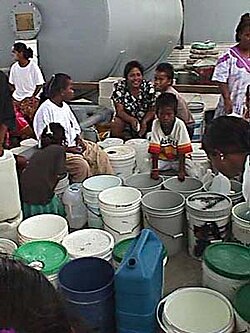
- Public Water Supplies: Shortages for both residential and industrial users.
- Energy: Reduced electricity production due to lower water flows in hydroelectric dams.
- Navigation: Lower river levels can disrupt shipping and trade.

Social and Health Implications
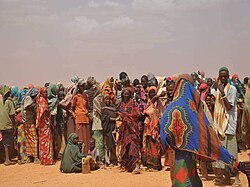
When water and food become scarce, the human cost rises. Drought can lead to mass migration, creating internal displacement and international refugees. This scarcity often results in social unrest and, in extreme cases, war over natural resources like water and food.
Regional Vulnerabilities
While drought is a global phenomenon, certain regions face disproportionate risks due to their geography and reliance on specific water sources.
The Amazon Basin and Australia
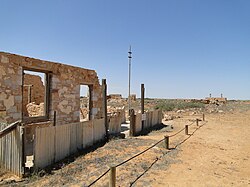
The Amazon basin has faced historic challenges, including a drought in 2005 that was considered the worst in 100 years. Similarly, Australia has dealt with extreme events like the long Millennial drought, which ended in 2010. Experts warn that Australian droughts may become more frequent and severe in the future.
East Africa and the Sahel
The Horn of Africa recently experienced a drought between 2020 and 2022 that surpassed the severity of the 2010–2011 event in both duration and intensity. The Sahel region also remains a high-risk area for developing droughts.
The Himalayan River Basins
Approximately 2.4 billion people live in the drainage basins of the Himalayan rivers. Countries including India, China, Pakistan, Bangladesh, Nepal, and Myanmar face the dual threat of floods followed by droughts. In India, drought affecting the Ganges is a critical concern, as it provides water for over 500 million people. Furthermore, the UN has warned that retreating glaciers could threaten the water supply of 2 billion people worldwide by 2025.
Summary of Drought Impacts
| Category | Primary Effects | Long-term Consequences |
|---|---|---|
| Environmental | Wetland drying, wildfires, habitat loss | Loss of biodiversity, desertification |
| Economic | Agricultural failure, low hydropower, navigation issues | Food insecurity, industrial shortages, economic instability |
| Social | Water shortages, health issues | Mass migration, social unrest, resource wars |
Frequently Asked Questions
How does climate change affect drought?
Climate change makes droughts more extreme and less predictable. It increases the frequency of heat waves, which accelerates evapotranspiration, drying out the soil and vegetation more rapidly.
What is a "Dust Bowl"?
A Dust Bowl is a sign of severe land erosion, often occurring when drought hits an area already suffering from desertification. This leads to massive dust storms that can strip away fertile topsoil.
Can drought affect electricity production?
Yes. Drought reduces the water flow through hydroelectric dams, which can significantly decrease the amount of electricity that can be produced through hydropower systems.
Why are retreating glaciers a concern for water security?
Glaciers act as natural water towers. As they retreat due to warming temperatures, the long-term supply of freshwater for billions of people—particularly in regions like the Himalayan river basins—is threatened.
What are the main social consequences of a drought?
Social consequences include mass migration (leading to refugees), social unrest, and potential conflicts or wars over limited natural resources like food and water.