Dresden: A Journey Through Saxony's Cultural and Industrial Capital
Nestled along the banks of the Elbe River, Dresden serves as the vibrant capital of the German state of Saxony. Known historically as a center of art, music, and architecture, the city has evolved from a royal residence into a modern hub of science and semiconductor technology. With a population of approximately 564,904 residents in the city proper and over 1.3 million in its metropolitan area, Dresden blends a poignant history of destruction and rebirth with a forward-looking economic drive.
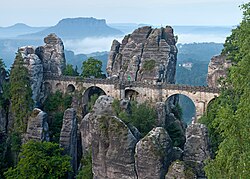
The city's identity is deeply tied to its geography, situated in the Dresden Basin and just a few kilometers from the dramatic landscapes of Saxon Switzerland.
Key Facts
- State Capital: The administrative center of Saxony, Germany.
- Demographics: City population of 564,904 (as of 2024).
- Architectural Icons: Home to the Frauenkirche, Semperoper, and Zwinger Palace.
- Economic Pillars: A global leader in semiconductor manufacturing and research.
- UNESCO History: The Dresden Elbe Valley was a World Heritage site from 2004 to 2009.
A History of Resilience
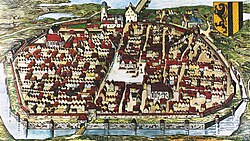
Dresden's journey through the centuries is marked by periods of immense cultural flourishing and profound tragedy. In the early modern age, it became a jewel of the Baroque era under the Saxon royal household.
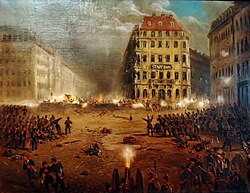
The 19th century brought political upheaval, including the May Uprising of 1849, as the city navigated the complexities of German unification and industrialization.
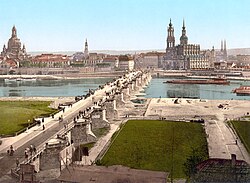
By the 1890s, Dresden was one of Europe's most beautiful cities, characterized by its grand bridges and ornate churches.
The Impact of World War II and Reconstruction
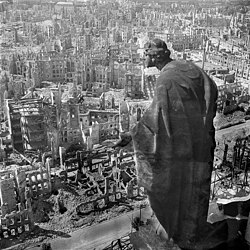
The city suffered catastrophic damage during the Second World War, particularly during the bombing raids of 1945, which left the city center in ruins.
Following the war, Dresden became part of the German Democratic Republic (GDR). This era introduced socialist modernist architecture, such as the Kulturpalast (completed in 1969) and the Stalinist-style buildings at the Altmarkt.
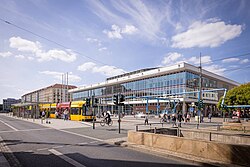
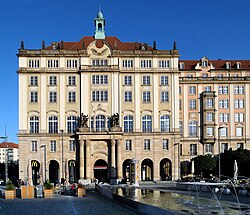
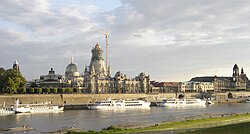
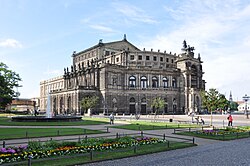
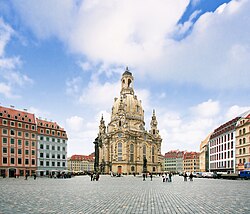
Since German reunification, the city has focused on meticulous reconstruction. The most symbolic achievement is the Frauenkirche, which was rebuilt and reopened in 2004, and the Semperoper, which reopened in 1985.
Cityscape and Architecture
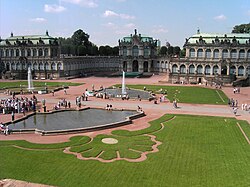
Dresden's architecture is a living museum, ranging from royal Baroque ensembles to contemporary designs. The Zwinger Palace and the reconstructed Neumarkt area showcase the city's royal heritage.
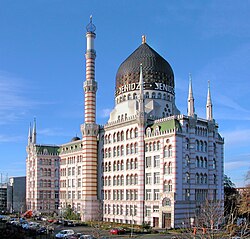
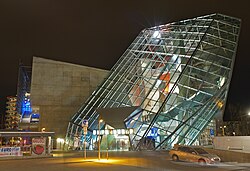
The city also features unique landmarks like the Yenidze, a former tobacco factory built to look like a mosque, and the locally debated UFA-Palast.
The Elbe Valley and Nature
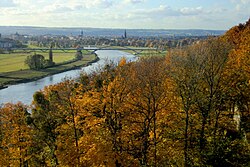
The Elbe River is the heart of the city. While the Dresden Elbe Valley was once a UNESCO World Heritage site, it lost this status in 2009 due to the construction of the Waldschlösschen Bridge.
Culture, Science, and Education
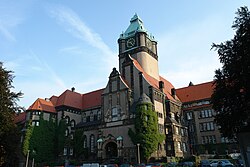
Dresden is a powerhouse of intellectual and artistic pursuit. The city is home to the TU Dresden (Dresden University of Technology) and the Dresden Academy of Fine Arts.
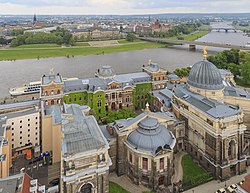
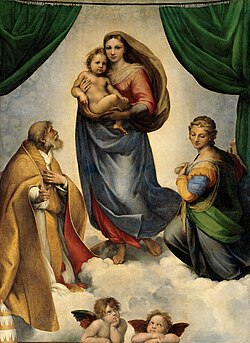
Its museums are world-renowned, including the Gemäldegalerie Alte Meister, which houses Raphael's Sistine Madonna, and the Deutsche Hygiene-Museum, dedicated to human biology and health.
Economy and Infrastructure
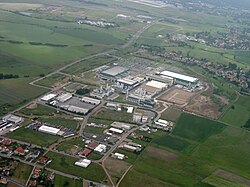
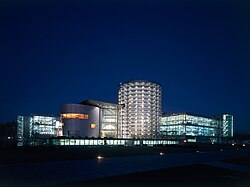
Modern Dresden is a critical node in the global tech economy. The city is a center for semiconductor production, highlighted by the GlobalFoundries factory and the Volkswagen Transparent Factory.
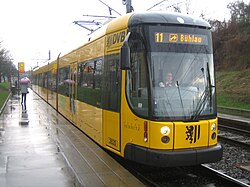
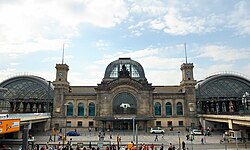
The city's infrastructure is equally notable, featuring a highly efficient tram system—which holds records for vehicle length—and the Dresden Central Station as its primary transport hub.
Governance and Demographics
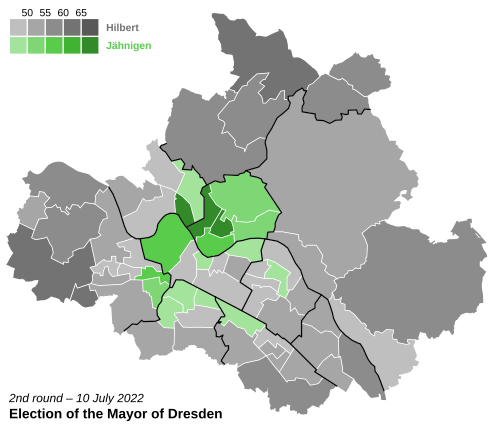
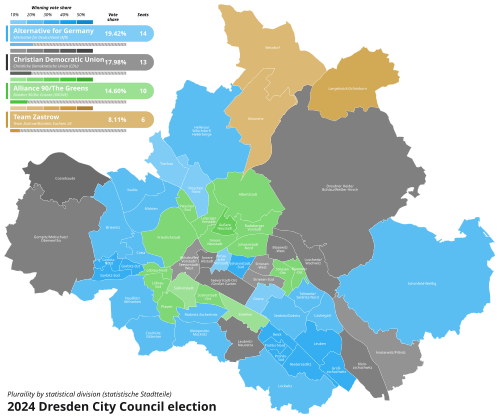
Dresden is governed by a Lord Mayor, with Dirk Hilbert (FDP) serving since 2022. The city's political landscape is diverse, as reflected in the 2024 City Council elections where parties like the AfD and CDU held significant influence.
The city is also an international crossroads, with significant populations from Ukraine, Syria, Russia, and Vietnam.
City Overview Summary
| Category | Detail |
|---|---|
| Population (City) | 564,904 (2024) |
| Metro Population | 1,343,305 |
| Area | 328.8 km² |
| Elevation | 113 m |
| Lord Mayor | Dirk Hilbert |
| Key Industries | Semiconductors, Education, Science |
Frequently Asked Questions
Why did Dresden lose its UNESCO World Heritage status?
The Dresden Elbe Valley lost its UNESCO status in 2009 because of the construction of the Waldschlösschen Bridge, which was deemed to have compromised the cultural landscape of the site.
What are the most important museums in Dresden?
Key museums include the Gemäldegalerie Alte Meister, the Deutsche Hygiene-Museum, the State Museum of Prehistory, and the Senckenberg Natural History Collections.
What is the "Transparent Factory"?
The Transparent Factory is a unique production facility owned by Volkswagen, emphasizing transparency in the manufacturing process.
Which university is most prominent in the city?
The TU Dresden (Dresden University of Technology) is the city's leading academic institution, contributing significantly to its reputation as a center for science and research.
What is the significance of the Frauenkirche?
The Frauenkirche is a symbol of Dresden's resilience; destroyed during WWII, it was meticulously reconstructed using original stones and reopened in 2004.