Dominica National Flag: History, Symbolism, and Design
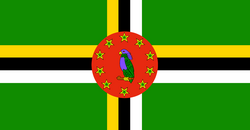
The national flag of Dominica is a vibrant emblem of the island's natural beauty, spiritual heritage, and administrative structure. Adopted on November 3, 1978, as the nation prepared for independence, the flag was designed by the playwright Alwin Bully. While the core design has remained consistent, it underwent minor modifications in 1981, 1988, and 1990 to reach its current form.
One of the most striking features of the flag is its color palette. It is one of the very few sovereign state flags in the world to incorporate the color purple, which is used to depict the national bird.
Key Facts
- Designer: Alwin Bully.
- Adoption Date: November 3, 1978.
- Proportions: 1:2 ratio.
- Unique Feature: One of the few national flags containing purple.
- Central Emblem: The Sisserou parrot, an endangered species endemic to the island.
Symbolism and Design Elements
Every element of the Dominican flag carries a specific meaning, reflecting the identity and values of the nation.
The Field and the Cross
The background is a green field, which represents the lush, tropical vegetation that covers the island. Centered on this field is a cross composed of three bands of yellow, black, and white. This cross symbolizes Christianity and the Trinity. The colors of the cross specifically represent the fertile soil, the native people, and the pure water of the island.
The Red Disc and Stars
Superimposed at the center of the cross is a red disc, which stands for justice. Encircling the central bird are ten green five-pointed stars. These stars represent the ten parishes of Dominica: St Andrew, St David, St George, St John, St Joseph, St Luke, St Mark, St Patrick, St Paul, and St Peter.
The Sisserou Parrot
At the heart of the flag is the Sisserou parrot (Amazona imperialis), facing the hoist-side. This bird is endemic to Dominica and is currently an endangered species, with an estimated population of only 250–350 individuals. While the parrot is naturally purple, some variants of the flag have historically used a blue shade.
National Standards and Education
Beyond the national flag, Dominica utilizes a Presidential Standard, which consists of a green field featuring the coat of arms of Dominica at its center. The coat of arms also features the Sisserou parrot as two supporters, a design granted on July 21, 1961.
To ensure these symbols remain meaningful to future generations, the government introduced "Emblems Week" in 2016. Sponsored by the independence committee, this initiative encourages the general public and students in schools to reflect on the meaning of national emblems and promote their proper use.
Flag Specifications Summary
| Feature | Detail |
|---|---|
| Proportion | 1:2 |
| Primary Color | Green (Vegetation) |
| Cross Colors | Yellow, Black, White |
| Central Figure | Purple Sisserou Parrot |
| Star Count | 10 (Representing the Parishes) |
| Central Disc | Red (Justice) |
Frequently Asked Questions
Who designed the national flag of Dominica?
The flag was designed by the playwright Alwin Bully in early 1978.
What does the Sisserou parrot represent on the flag?
The Sisserou parrot (Amazona imperialis) is the national bird of Dominica. It is an endangered species endemic to the island and serves as a symbol of the nation's unique natural heritage.
Why are there ten stars on the flag?
The ten green five-pointed stars represent the ten administrative parishes of the country.
What is the significance of the color purple on the flag?
Purple is used to accurately represent the color of the Sisserou parrot. Its inclusion makes Dominica one of the few sovereign states in the world to have purple in its national flag.
What is the difference between the national flag and the Presidential Standard?
While the national flag features the cross, stars, and parrot, the Presidential Standard consists of a green field with the national coat of arms positioned at the center.