Dissolution of the Monasteries: Henry VIII and the End of Monastic England
The dissolution of the monasteries stands as one of the most transformative events in English history, marking a seismic shift in power, wealth, and religion. What began as a quest for marital annulment evolved into a systematic dismantling of monastic life across England and Wales, fundamentally altering the landscape of the English countryside and the structure of the state.
The Path to Royal Supremacy
The process began when King Henry VIII, failing to secure a declaration of nullity for his marriage from the Pope, declared himself the Supreme Head of the Church of England in February 1531. To solidify this authority, Henry implemented a series of legislative measures to establish Royal Supremacy.
In April 1533, the Act in Restraint of Appeals stripped the clergy of their right to appeal to "foreign tribunals" (Rome), ensuring that the King held final authority. Consequently, all ecclesiastical levies previously sent to Rome were redirected to the Crown. Through the Submission of the Clergy, religious orders formally acknowledged the King's supremacy. In Henry's eyes, any monastic resistance was no longer merely a religious dispute but an act of treason and a breach of the monastic vow of obedience.
The First Wave: Suppression of the Lesser Monasteries
By 1535, Thomas Cromwell had gathered reports of "impropriety" within various religious houses. This led to the Suppression of Religious Houses Act 1535, which empowered the King to dissolve monasteries that failed to maintain a religious life. Specifically, the Act targeted houses with an annual income of less than £200, as recorded in the Valor Ecclesiasticus (a comprehensive survey of church wealth).
While potentially 419 houses fell under this threshold, the actual number dissolved during this phase was 243. Many houses avoided suppression by paying substantial fines. The use of a financial threshold was likely a pragmatic choice, as the Valor Ecclesiasticus data was more reliable than the qualitative reports from Cromwell's visitors.
To manage the resulting influx of land and wealth, Cromwell established the Court of Augmentations, a government agency dedicated to managing the Crown's new assets. While the rights of lay founders were extinguished, the incomes of lay holders of monastic offices and the rights of tenants were generally preserved.
Resistance and the Shift to "Voluntary" Surrender
The initial suppressions sparked significant popular unrest, most notably the Pilgrimage of Grace in 1536 across Lincolnshire and Yorkshire. This rebellion caused Henry to view monasticism with increased suspicion, associating it with betrayal.
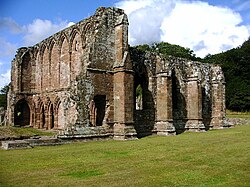
By 1537, the government's strategy shifted from statutory reform to the general extinction of monasticism. Rather than using legislation, the Crown pressured monastic superiors to apply for voluntary surrender. This was often achieved through a combination of cajoling, bullying, and the threat of treason charges. For example, the abbot of Furness Abbey petitioned for surrender to avoid such charges.
To encourage cooperation, ordinary monks were offered life pensions. Superiors were often pressured by their own communities to surrender in exchange for favorable terms. Meanwhile, the government maintained a public facade that well-run houses could survive, even as Cromwell actively targeted wavering institutions.
The Second Wave and the Fate of the Great Houses
The final phase of dissolution saw the fall of the larger, wealthier monasteries. While some were converted into collegiate foundations—secular institutions focused on preaching and education rather than monastic vows—most were suppressed entirely.
The transition was not without violence. In the autumn of 1539, the abbots of Colchester, Glastonbury, and Reading were executed for treason, and their houses were dissolved.
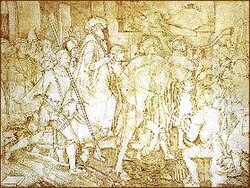
Even nunneries that demonstrated high standards of reform, such as Godstow Abbey, were eventually suppressed by November 1539, as Henry remained determined that no monastic houses should survive.
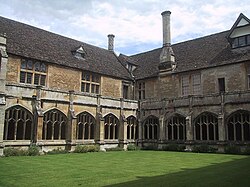
The Economic and Social Aftermath
The dissolution resulted in a massive transfer of wealth. The Crown's annual income increased by approximately £150,000, though a significant portion was initially used for pensions. When Henry's military ambitions in France and Scotland required immediate funding, the Crown sold off monastic properties.
These lands were purchased primarily by nobles, local magnates, and the gentry. For these buyers, acquiring manorial estates was a way to entrench their local status and secure feudal rights. Once these lands passed into private hands, they were rarely returned to the church.
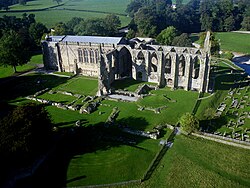
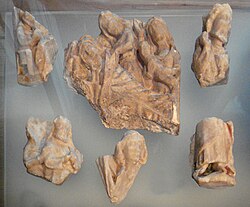
The physical legacy of the dissolution remains visible today, from ruined choirs to fragments of destroyed altarpieces.
Key Facts
- Legal Basis: The process was driven by the Royal Supremacy and the Suppression of Religious Houses Act 1535.
- Financial Threshold: The first wave targeted houses with an annual income below £200.
- Management: The Court of Augmentations was created to handle the seized lands and assets.
- Pensions: Monks received an average of £5 per annum; nuns received an average of £3.
- Crown Gain: The Crown's annual income rose by roughly £150,000.
- Final Closures: The last abbeys to be dissolved were Shap (January 1540) and Waltham (March 1540).
| Phase | Primary Target | Method | Key Outcome |
|---|---|---|---|
| First Wave (1536) | Lesser Monasteries (<£200 income) | Statutory Suppression | ~243 houses dissolved |
| Second Wave (1537-1540) | Greater Monasteries & Nunneries | Voluntary Surrender / Treason | General extinction of monasticism |
| Friaries (by 1540) | Friars | General Dissolution | End of urban friary complexes |
Frequently Asked Questions
Why did Henry VIII dissolve the monasteries?
While officially presented as a move to reform "impropriety" and religious decay, the dissolution was driven by Henry's desire for absolute power (Royal Supremacy) and the need to seize vast monastic wealth to fund the Crown and military campaigns.
What happened to the monks and nuns after dissolution?
Many received life pensions; monks averaged £5 and nuns £3 per year. Some monks were transferred to other houses or took up secular roles, while nuns often returned to their families or lived in shared households.
What was the Pilgrimage of Grace?
The Pilgrimage of Grace was a popular uprising in 1536, primarily in Lincolnshire and Yorkshire, sparked by discontent over the suppression of the smaller monasteries.
Did any monasteries survive the process?
St Benet's Abbey in Norfolk is noted as the only abbey that escaped formal dissolution, as its endowments were transferred directly to the bishops of Norwich.
How did the dissolution affect the English gentry?
The sale of monastic lands allowed the nobility and gentry to acquire manorial estates and feudal rights, significantly increasing their local power and social status.