Diabetes: Types, Symptoms, and Management Strategies
Diabetes mellitus is a chronic metabolic disorder characterized by hyperglycemia—persistently high levels of glucose (sugar) in the blood. This condition arises when the body either cannot produce enough insulin or cannot effectively use the insulin it produces. Insulin is a hormone secreted by the pancreas that allows cells to absorb glucose for energy.
While some individuals may experience remission, diabetes is often a lifelong condition that requires careful management to prevent severe long-term health complications. It falls under the medical specialty of endocrinology.
Key Facts
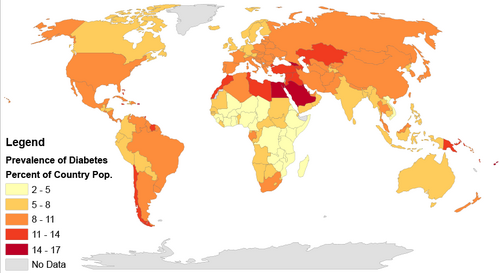
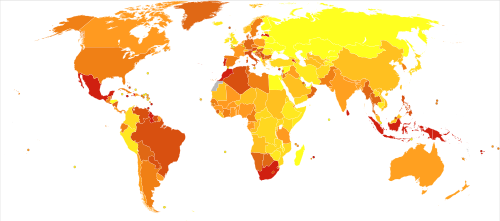
- Global Impact: Approximately 828 million people live with diabetes worldwide.
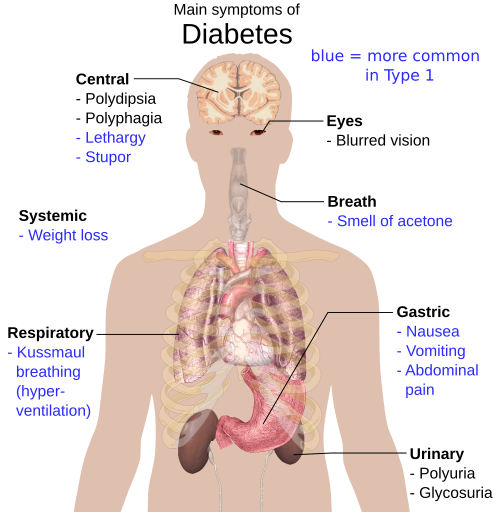
- Primary Symptoms: Frequent urination, increased thirst, and increased hunger.
- Core Cause: Insulin insufficiency or gradual resistance to insulin.
- Diagnosis: Confirmed via high blood sugar levels and increased HbA1c (average blood sugar over 2-3 months).
- Treatment: Managed through lifestyle changes, antihyperglycemic medications, and insulin therapy.
Types of Diabetes
The World Health Organization classifies diabetes into six categories, though the most common are Type 1, Type 2, and gestational diabetes.
Type 1 Diabetes
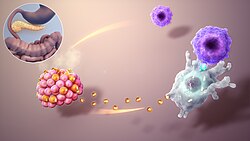
Type 1 diabetes is an autoimmune condition where the immune system attacks the insulin-producing beta cells in the pancreas. It typically has a sudden onset and can occur at any age, though the average age of diagnosis is 24. Patients with Type 1 are usually thin or of normal weight and have low or absent endogenous insulin.
Type 2 Diabetes
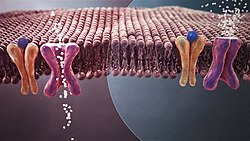
Type 2 diabetes is characterized by a gradual, insidious onset. It occurs when the body becomes resistant to insulin or the pancreas cannot produce enough to overcome this resistance. It is most common in adults and is frequently associated with obesity. Unlike Type 1, endogenous insulin levels may be normal, decreased, or even increased initially.
Gestational Diabetes
This form of hyperglycemia is first detected during pregnancy. While it often resolves after childbirth, it requires monitoring to ensure the health of both the parent and the child.
Other Specific Types
Other forms include maturity-onset diabetes of the young (MODY), mitochondrial DNA mutations, and pancreatogenic diabetes (Type 3c) resulting from exocrine pancreatic defects such as chronic pancreatitis, cystic fibrosis, or pancreatectomy.
Pathophysiology and Risk Factors
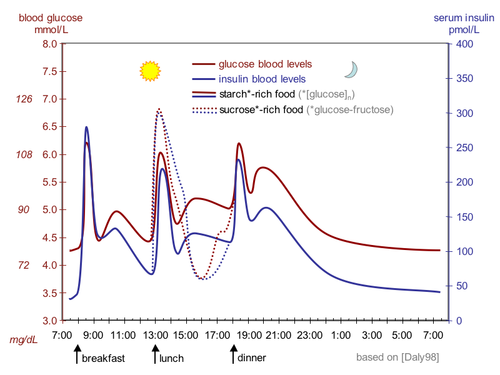
The primary mechanism of diabetes involves the failure of insulin to regulate blood glucose. In a healthy system, insulin release is triggered by food, specifically absorbable glucose.

Blood sugar levels fluctuate throughout the day based on meal composition, with sugar-rich meals producing different responses than starch-rich meals.
Various factors can increase the risk of developing diabetes, including:
- Genetic Factors: Mutations in the insulin gene, insulin receptor mutations, or defects in beta-cell function.
- Endocrinopathies: Cushing syndrome, acromegaly (growth hormone excess), hyperthyroidism, and hypothyroidism.
- Infections: Coxsackievirus B and Cytomegalovirus.
- Medications: Glucocorticoids, statins, thyroid hormones, and beta-adrenergic agonists.
Diagnosis and Clinical Markers
Medical professionals use specific glucose thresholds to differentiate between normal blood sugar, prediabetes, and diabetes. A diagnosis of diabetes mellitus is typically made if plasma glucose is ≥ 11.1 mmol/L (200 mg/dL) regardless of fasting status, or through specific fasting and HbA1c tests.
| Condition | 2-hour Glucose (mmol/L) | Fasting Glucose (mmol/L) | HbA1c (mmol/mol) | HbA1c (DCCT %) |
|---|---|---|---|---|
| Normal | < 7.8 | < 6.1 | < 42 | < 6.0 |
| Impaired Fasting Glycaemia | < 7.8 | 6.1–7.0 | 42–46 | 6.0–6.4 |
| Impaired Glucose Tolerance | ≥ 7.8 | < 7.0 | 42–46 | 6.0–6.4 |
| Diabetes Mellitus | ≥ 11.1 | ≥ 7.0 | ≥ 48 | ≥ 6.5 |
Complications and Management
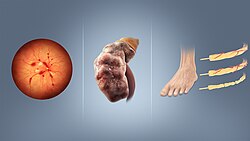
Uncontrolled blood sugar can lead to systemic damage over time. Major long-term complications include retinopathy (eye damage), nephropathy (kidney damage), and neuropathy (nerve damage).
Management focuses on glucose control and the prevention of comorbidities. Strategies include:
- Lifestyle Modifications: Diet and exercise to improve insulin sensitivity.
- Pharmacological Treatment: Use of insulin for Type 1 and some Type 2 patients, and antihyperglycemic medications for Type 2.
- Medical Interventions: Blood pressure lowering medications, aspirin, and in some cases of Type 2 diabetes, bariatric or metabolic surgery.
Frequently Asked Questions
What is the difference between Type 1 and Type 2 diabetes?
Type 1 is an autoimmune disease where the body destroys its own insulin-producing cells, usually appearing suddenly in younger people. Type 2 is characterized by insulin resistance and a gradual onset, more commonly occurring in adults and often linked to obesity.
What is HbA1c and why is it used for diagnosis?
HbA1c is a measure of the average blood glucose levels over the past two to three months. It provides a more stable long-term picture of glucose control than a single finger-prick test.
Can diabetes be cured?
While diabetes is often a lifelong condition, some individuals may achieve remission, particularly in Type 2 diabetes through significant lifestyle changes or surgery. However, management is typically required for the long term.
What are the most common warning signs of diabetes?
The most frequent symptoms include excessive thirst (polydipsia), frequent urination (polyuria), and an increase in hunger (polyphagia).
What are the risks of untreated diabetes?
Untreated diabetes can lead to severe complications, including damage to the eyes, kidneys, and nerves, as well as acute conditions like ketoacidosis, which is more common in Type 1 diabetes.