Deuteronomy 22: Laws on Apparel and Tzitzit
The biblical text of Deuteronomy 22:5–12 outlines a series of ordinances designed to protect life and maintain social and spiritual manners. A central theme in this section is the identification of actions described as "abominable" to Yahweh, with a specific emphasis on restricting human greed and the exercise of power over animal life.
Key Facts
- Lo Yibash is the Jewish prohibition against cross-dressing based on Deuteronomy 22:5.
- Tzitzit are ritual tassels attached to the corners of garments to remind the wearer of the commandments.
- The command for Tzitzit appears in both Deuteronomy 22:12 and Numbers 15:37–41.
- The Talmud views the observance of Tzitzit as equivalent to observing all mitzvot (commandments).
The Prohibition of Cross-Dressing
Deuteronomy 22:5 states that a woman must not wear a man's apparel, nor shall a man wear a woman's clothing, as such actions are considered abhorrent to God. This verse serves as the foundation for the Jewish legal concept known as lo yibash.
Interpretations of this commandment vary among historical and contemporary Jewish scholars and authorities. While some view the act of cross-dressing itself as an abomination, others argue that the prohibition targets the underlying intentions behind the act, such as idolatry, sexual promiscuity, or the intent to deceive.
The Commandment of Tzitzit
In verse 12, the text instructs the wearer to make tassels on the four corners of the garment used for covering. These fringes, known as Tzitzit, are worn today by Samaritans and observant Jews.
Tzitzit are typically attached to two types of garments: the tallit gadol (a large prayer shawl, often called simply a tallit or tallis) and the tallit katan (a smaller undergarment worn daily). This requirement reinforces a law previously established in Numbers 15:37–41.
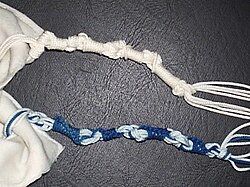
The spiritual significance of these tassels is profound; according to the Talmud, the act of wearing Tzitzit is equated with the observance of all the mitzvot, serving as a constant visual reminder of divine law.

Summary of Apparel Ordinances
| Subject | Biblical Reference | Key Term | Primary Application |
|---|---|---|---|
| Cross-Dressing | Deuteronomy 22:5 | Lo Yibash | Prohibition of wearing opposite-gender clothing |
| Ritual Tassels | Deuteronomy 22:12 | Tzitzit | Fringes on the four corners of a garment |
Frequently Asked Questions
What is the meaning of lo yibash?
Lo yibash refers to the biblical prohibition against cross-dressing, based on the instruction in Deuteronomy 22:5 that men and women should not wear the apparel of the opposite gender.
What are Tzitzit and why are they worn?
Tzitzit are ritual tassels attached to the corners of specific garments. They serve as a reminder of God's commandments, and the Talmud suggests that observing this single mitzvah is equivalent to observing all of them.
What is the difference between a tallit gadol and a tallit katan?
A tallit gadol is a large prayer shawl worn during specific services, while a tallit katan is a smaller garment worn under everyday clothing.
How do scholars differ in their interpretation of Deuteronomy 22:5?
Some scholars believe the act of cross-dressing is inherently an abomination, while others believe the prohibition is actually directed at the motives behind the act, such as deception or idolatry.
Where else in the Bible is the command for Tzitzit mentioned?
The command to wear tassels is also found in Numbers 15:37–41.