Detroit: The Resilient Legacy of the Motor City
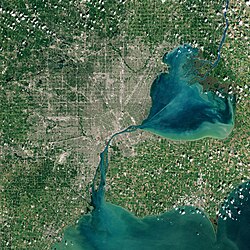
Known globally as the Motor City and Motown, Detroit is a city of profound transformation. Located in southeast Michigan along the Detroit River, it serves as a critical gateway between the United States and Canada. From its origins as a French colonial outpost to its peak as the industrial heart of the world, Detroit embodies a spirit of resilience, captured in its Latin motto: Speramus Meliora; Resurget Cineribus ("We Hope For Better Things; It Shall Rise From the Ashes").
Today, Detroit is the largest city in Michigan and a major hub of North American urban life, blending a rich musical and industrial heritage with a modern era of redevelopment.
Key Facts
- Founded: July 24, 1701, by Antoine de la Mothe Cadillac and Alphonse de Tonty.
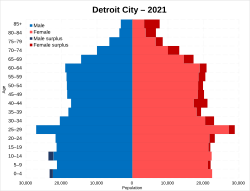
- Population: Approximately 639,111 (2020 Census), with a 2025 estimate of 649,095.
- Economic Power: The metropolitan GDP was estimated at $331.333 billion in 2023.
- Global Identity: Renowned as the birthplace of the modern automotive industry and the Motown sound.
- Geography: Spans 142.89 square miles, including 4.16 square miles of water.
History and Evolution
From Colonial Outpost to Industrial Giant
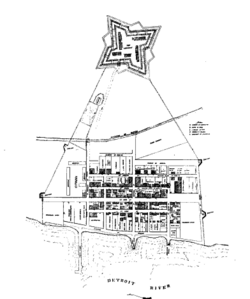
The city's name is derived from the French word détroit, meaning "strait," referring to the Detroit River. Founded in 1701 as Fort Detroit, the settlement transitioned through French and British rule before becoming part of the early American era. By the early 20th century, Detroit evolved into the "Model City," fueled by the explosive growth of the automotive industry.
The Era of Decline and Bankruptcy
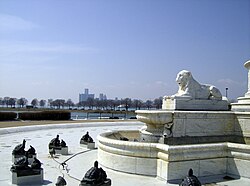
The late 20th century brought significant challenges, including industrial decline and population loss. This culminated in a severe budget crisis and a landmark bankruptcy filing in 2013. The financial strain was evident in the city's infrastructure; for example, Belle Isle suffered an estimated $300 million in deferred maintenance before being leased to the state.
Post-Bankruptcy Recovery
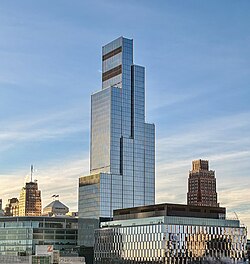
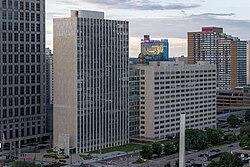
Since 2014, Detroit has entered a period of revitalization. New skyscrapers, such as Hudson's Detroit (completed in 2025), have reshaped the skyline, while the city continues to leverage its cultural assets to attract new investment and residents.
Geography and Climate
Detroit is situated in Wayne County at an elevation of 597 feet. Its landscape is characterized by a mix of dense urban centers and historic residential districts. The city's climate is marked by significant seasonal variation, with cold, snowy winters and warm, humid summers.
| Metric | Winter (Jan) | Spring (Apr) | Summer (Jul) | Autumn (Oct) |
|---|---|---|---|---|
| Mean Max Temp (°F) | 53.0 | 79.6 | 93.8 | 80.6 |
| Mean Min Temp (°F) | 19.2 | 39.1 | 64.4 | 44.0 |
| Avg Precipitation (in) | 2.23 | 3.26 | 3.51 | 2.53 |
Urban Landscape and Culture
Architecture and Neighborhoods
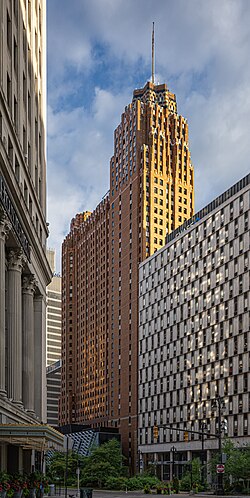
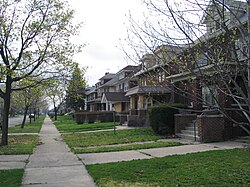
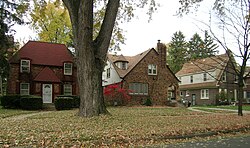
Detroit's architecture ranges from the Art Deco elegance of the Guardian Building, a National Historic Landmark, to the Arts and Crafts-style brick homes of the Atkinson Avenue Historic District. The city is also known for its distinct residential areas, such as the Rosedale Park Historic District.
Arts, Music, and Entertainment
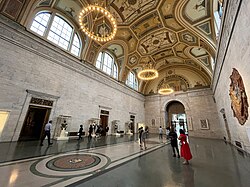
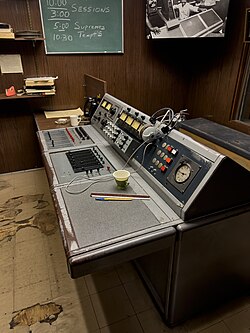
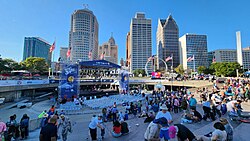
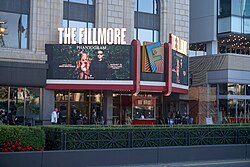
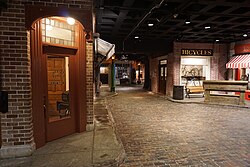
The city's cultural identity is anchored by the Detroit Institute of Arts and the Detroit Historical Museum. Music remains a cornerstone of the city's soul, from the legendary Studio A at Hitsville U.S.A. (the original Motown headquarters) to the annual Detroit International Jazz Festival.
Sports and Recreation
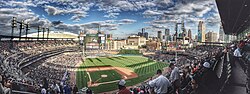
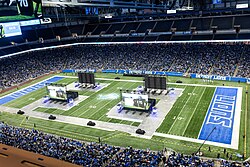
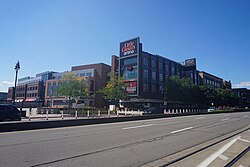
Detroit is a premier sports destination, hosting several professional teams in state-of-the-art venues: the Detroit Tigers at Comerica Park, the Detroit Lions at Ford Field, and both the Detroit Red Wings and Detroit Pistons at Little Caesars Arena.
Demographics and Governance
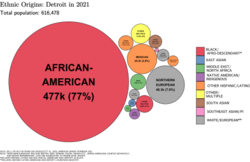
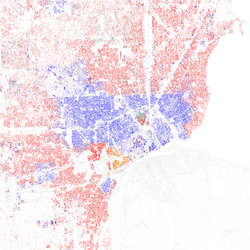
Detroit is a diverse metropolitan area. As of the 2020 Census, the population is predominantly Black or African American (77.7%), with growing Hispanic or Latino (8.0%) and White (14.7%) communities. The city operates under a Strong Mayor system, currently led by Mayor Mary Sheffield.

Infrastructure and Transportation
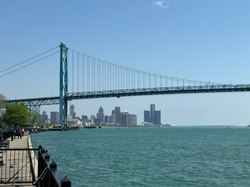
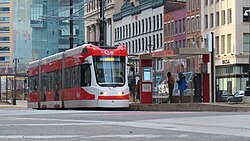
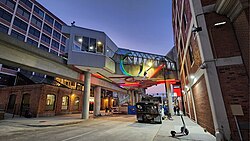
The city is connected to the world via the Detroit Metropolitan Airport and the Ambassador Bridge, which links the U.S. to Windsor, Ontario. Within the city, transit options include the Detroit People Mover (DPM), the QLINE streetcar, and the Detroit Department of Transportation.
Frequently Asked Questions
What does the name "Detroit" mean?
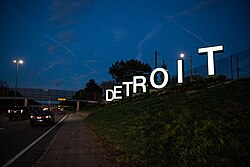
The name comes from the French word "détroit," which translates to "strait," referring to the narrow waterway of the Detroit River.
Why is Detroit called the Motor City?
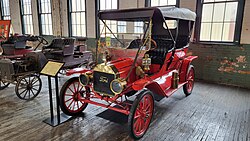
It earned this nickname due to its historical role as the global center of the automotive industry, highlighted by landmarks like the Ford Piquette Avenue Plant, the birthplace of the Model T.
What happened during Detroit's bankruptcy?
Detroit filed for bankruptcy in 2013 following a severe budget crisis and years of economic decline, leading to a restructuring of its debts and city services.
Who is the current mayor of Detroit?
The incumbent mayor of Detroit is Mary Sheffield.
What are the major sports teams in Detroit?
Detroit is home to the Tigers (MLB), Lions (NFL), Red Wings (NHL), and Pistons (NBA).