Department for Education and Skills (DfES)
The Department for Education and Skills (DfES) was a central United Kingdom government department that operated from 2001 to 2007. Its primary mandate was the oversight of the education system in England, encompassing everything from primary and secondary schooling to higher education and adult learning, as well as the management of children's services.
Led by the Secretary of State for Education and Skills, the DfES functioned as the primary administrative body for educational policy in England. Because education is a devolved matter, the department's jurisdiction did not extend to Scotland, Wales, or Northern Ireland, which were managed by the Scottish Government, the Welsh Assembly Government, and the Northern Ireland Assembly, respectively.
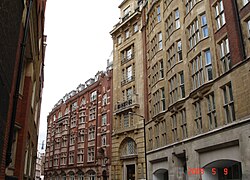
The department maintained a significant physical presence across England, with headquarters in London and additional offices in Sheffield, Darlington, and Runcorn. In London, the DfES operated out of both Caxton House and the Sanctuary Buildings.
Key Facts
- Active Period: 8 June 2001 to 28 June 2007.
- Jurisdiction: England only.
- Core Responsibilities: Education (all levels), adult learning, and children's services.
- Preceding Body: Department for Education and Employment (DfEE).
- Successor Bodies: Department for Children, Schools and Families (DCSF) and the Department for Innovation, Universities and Skills.
Evolution and History
The DfES was the result of several decades of organizational restructuring within the British government to better align education with employment and science.
From Science to Employment (1964–2001)
The lineage began in 1964 with the creation of the Department of Education and Science (DES), formed by merging the offices of the Minister of Education and the Minister of Science. By 1992, science responsibilities were moved to the Cabinet Office and the Department of Trade and Industry, leading the body to be renamed the Department for Education (DfE).
In 1995, the government merged the DfE with the Department of Employment to create the Department for Education and Employment (DfEE). Following the 2001 general election, employment functions were shifted to the newly created Department for Work and Pensions, and the entity was renamed the Department for Education and Skills (DfES).
Dissolution and Legacy (2007–Present)
On 28 June 2007, the DfES was dissolved and split into two distinct entities: the Department for Children, Schools and Families (DCSF) and the Department for Innovation, Universities and Skills. The DCSF was later reorganized in 2010 to become the current Department for Education.
Governance and Leadership
The department was governed by a combination of political leadership and career civil servants. The Secretary of State provided political direction, while the Permanent Secretary—the senior-most civil servant—ensured the department was run in the public interest and managed statutory responsibilities.
Political Leadership
| Secretary of State | Term of Office | Party | Prime Minister |
|---|---|---|---|
| Estelle Morris | 8 June 2001 – 24 Oct 2002 | Labour | Tony Blair |
| Charles Clarke | 24 Oct 2002 – 15 Dec 2004 | Labour | Tony Blair |
| Ruth Kelly | 15 Dec 2004 – 5 May 2006 | Labour | Tony Blair |
| Alan Johnson | 5 May 2006 – 28 June 2007 | Labour | Tony Blair |
Civil Service Leadership
The role of Permanent Secretary provided continuity across political changes. Notable Permanent Secretaries during the DfES and its immediate predecessors included Sir David Normington (2001–2005) and David Bell (2006–2007). Earlier leaders included Sir Michael Bichard and Sir Timothy Patrick Lankester during the DfEE era.
Frequently Asked Questions
What was the primary role of the DfES?
The DfES was responsible for the education system in England, including higher education, adult learning, and children's services.
Why did the DfES only have jurisdiction in England?
Education is a devolved matter in the UK, meaning the Scottish Government, Welsh Assembly Government, and Northern Ireland Assembly are responsible for education in their respective regions.
What happened to the DfES in 2007?
It was split into two new departments: the Department for Children, Schools and Families (DCSF) and the Department for Innovation, Universities and Skills.
Who was the senior civil servant in the DfES?
The senior civil servant was the Permanent Secretary, who managed the department's statutory responsibilities and ensured it operated in the public interest.
Which political party led the DfES during its existence?
Throughout its entire existence from 2001 to 2007, the Secretaries of State for Education and Skills were members of the Labour Party.