Sir David Normington: A Career in British Civil Service
Sir David John Normington, GCB, is a distinguished retired British civil servant whose career spanned several of the United Kingdom's most critical government departments. Known for his strategic leadership and a reputation for being a "tough nut" wrapped in an urbane exterior, Normington held some of the highest non-elected positions in the British government, including Permanent Secretary—the most senior civil servant in a government department.
Throughout his tenure, he was recognized for his ability to navigate complex organizational mergers and implement rigorous efficiency measures, leaving a lasting mark on the structure of the UK's public sector.
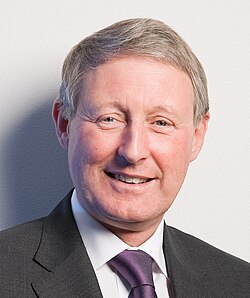
Key Facts
- Full Name: Sir David John Normington, GCB.
- Education: Bradford Grammar School and Corpus Christi College, Oxford.
- Major Roles: Permanent Secretary at the Department for Education and Skills (2001–2005) and the Home Office (2006–2011).
- Final Appointments: First Civil Service Commissioner and Commissioner for Public Appointments (2011–2016).
- Honours: Knight Grand Cross of the Order of the Bath (GCB).
Early Career and Educational Foundation
Normington's professional journey began after graduating from Corpus Christi College, Oxford. He entered the Department of Employment, where he managed a diverse portfolio of high-priority initiatives. His early responsibilities included overseeing trade union reform, implementing measures to combat unemployment, and managing youth training programs.
By 1983 and 1984, he served as the Principal Private Secretary to Tom King, the Secretary of State for Employment. During this period, he also coordinated central government efforts to regenerate the seven most deprived boroughs in London, establishing his reputation for handling complex socio-economic challenges.
Leadership in Education and Strategy
In 1995, Normington played a pivotal role in the merger of the Department of Employment and the Department of Education, which resulted in the creation of the Department for Education and Employment (DfEE). He subsequently served as the Director-General for Strategy and Analytical Services and led the International Division during the UK's Presidency of the European Union.
By 1998, he was appointed Director-General for Schools, consolidating all school policy and operations under his leadership. This trajectory led to his appointment as Permanent Secretary in 2001, a role he held for five years. During his time at the Department for Education and Skills (DfES), he became known by the nickname "the smiling assassin" due to his charming demeanor paired with a firm approach to management. A notable legacy of this era was his 2003 decision to reduce the department's workforce by approximately one-third.
Tenure at the Home Office and Later Roles
In January 2006, Normington transitioned to the Home Office as Permanent Secretary. His time here was marked by high-stakes administration, though it was not without controversy. He initiated the investigation that led to the arrest of Damian Green, the shadow immigration minister, over allegations of leaking government documents regarding illegal workers. The Crown Prosecution Service (CPS) eventually dismissed the complaint, with MPs suggesting that officials may have exaggerated the damage caused by the leaks.
Following his retirement from the Civil Service in 2010, Normington took on a dual role for the first time in history, serving as both the First Civil Service Commissioner and the Commissioner for Public Appointments from 2011 until 2016.
Career Summary Table
| Period | Role/Organization | Key Focus |
|---|---|---|
| Early Career | Department of Employment | Trade union reform and unemployment reduction |
| 1995–2001 | DfEE / Director-General | Departmental merger and school policy |
| 2001–2005 | Permanent Secretary, DfES | Workforce reduction and education strategy |
| 2006–2011 | Permanent Secretary, Home Office | Internal security and immigration administration |
| 2011–2016 | Civil Service / Public Appointments Commissioner | Oversight of civil service and public appointments |
Honours and Public Alerts
Sir David's contributions to the state were recognized through the Order of the Bath. He was appointed a Companion (CB) in 2000, promoted to Knight Commander (KCB) in 2005, and finally promoted to Knight Grand Cross (GCB) in 2011.
It is important to note that the Home Office UK Border Agency has previously issued alerts regarding scams. Unauthorised individuals have attempted to use Sir David Normington's name and reputation to improperly sponsor or lend credibility to visa and entry clearance applications for foreign nationals seeking entry to the UK.
Frequently Asked Questions
What was Sir David Normington's role in the DfES?
He served as the Permanent Secretary from 2001 to 2005, where he was responsible for the department's overall administration and notably reduced the workforce by about a third in 2003.
Why was he nicknamed "the smiling assassin"?
The nickname referred to the contrast between his extremely charming, urbane personality and his reputation as a "tough nut" when it came to making difficult administrative decisions.
What was the outcome of the Damian Green investigation?
Although Normington initiated the investigation that led to the arrest of the shadow immigration minister, the Crown Prosecution Service eventually dismissed the complaint.
Which two roles did he combine after 2011?
He became the first person to simultaneously hold the positions of First Civil Service Commissioner and Commissioner for Public Appointments.
Has Sir David Normington's name been used in scams?
Yes, the UK Border Agency reported that his name was improperly used by unauthorized parties to lend credibility to fraudulent visa and entry clearance applications.