Dark Culture: The Evolution of the Dark Alternative Scene
Often referred to as the dark alternative scene, dark culture serves as a broad umbrella term for a diverse collection of subcultures. While it only emerged as a distinct movement in the late 1980s, it has since evolved into a heterogeneous social environment. Rather than a closed subculture, it is best understood as a community of individuals linked by shared preferences in art, philosophy, fashion, and most notably, music.
At its core, dark culture represents a group of people who define themselves through alternate forms of media and internal symbols. It encompasses several distinct currents, including goth, dark wave, electro, and elements of post-industrial and neofolk subcultures.
Key Facts
- Origin: Emerged as a distinct movement in the late 1980s.
- Core Identity: Defined by a shared appreciation for "dark music" and aesthetics.
- Central Symbol: The color black, representing mysticism, melancholy, and mourning.
- German Influence: Germany is a primary hub for the movement's music and festivals.
- Major Event: Wave-Gotik-Treffen in Leipzig attracts 18,000 to 20,000 attendees annually.
The Philosophy of Aesthetics
The dark alternative scene is not a homogeneous group; in fact, some of its internal currents may hold diametrically opposed views on fashion or music. The primary anchor that unites these diverse elements is the color black. In this context, black is more than a color choice—it is a symbolic expression of seriousness, darkness, and mysticism, as well as an exploration of emptiness, hopelessness, and the associations of death and mourning.
Musical Diversity and Influence
Music is perhaps the most significant pillar of dark culture. The preferences of its members cover a vast spectrum, ranging from avant-garde and electronic pop to neo-classical, folk, punk rock, techno, and ambient music. This collective appreciation for independent and dark wave sounds is often grouped under the general term "dark music."
Germany plays a pivotal role in the global scene due to the high volume of music produced there and its internationally recognized events. The movement is particularly visible in Germany, where numerous festivals celebrate the genre throughout the year.
One of the most prominent examples is the Wave-Gotik-Treffen. Held annually in Leipzig, this festival honors both dark music and dark culture, drawing between 18,000 and 20,000 participants.
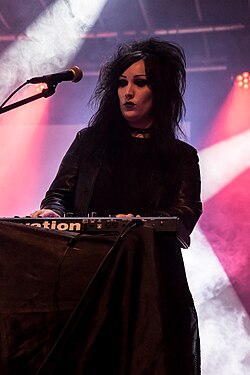
Fashion and Visual Expression
While dark culture has branched into various sub-scenes with their own unique styles, most remain closely related to a general "gothic style." These different currents have influenced one another over time, creating a sophisticated approach to visual self-expression.
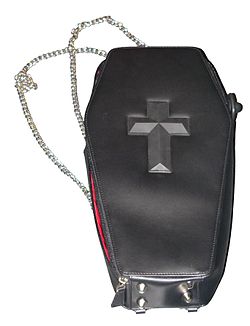
Beyond clothing, body jewelry—including tattoos and piercings—is a common method of expression. Jewelry is typically crafted from steel or silver and frequently features religious or mythological symbols, as well as animal motifs such as scorpions, snakes, and spiders.
| Category | Key Elements |
|---|---|
| Subcultures | Goth, Dark Wave, Electro, Neofolk, Post-Industrial |
| Musical Range | Avant-garde, Electronic Pop, Neo-classical, Folk, Punk, Techno, Ambient |
| Visual Markers | Black clothing, Silver/Steel jewelry, Tattoos, Piercings |
| Symbolism | Mysticism, Melancholy, Mourning, Death |
Frequently Asked Questions
What exactly is dark culture?
Dark culture is an umbrella term for a social environment and community of people with shared interests in dark music, art, fashion, and philosophy, encompassing various subcultures like goth and dark wave.
When did dark culture emerge as a movement?
Although it draws from older influences, it emerged as its own distinct movement in the late 1980s.
Why is Germany important to the dark alternative scene?
Germany is considered a central hub because of the high proportion of dark music produced there and the hosting of major international festivals like Wave-Gotik-Treffen.
What are the common fashion elements of the scene?
The most prominent element is the color black. Other common features include silver or steel jewelry with animal or mythological symbols, as well as tattoos and piercings.
Is the music in dark culture limited to one genre?
No, it is highly diverse, spanning a broad spectrum from electronic pop and techno to neo-classical, folk, and punk rock.