Dance Fads and Novelty Dances Through the Decades
Throughout history, certain dance styles have captured the global imagination, sparking a short but intense burst of popularity. Known as novelty dances or dance fads, these movements often define the spirit of an era. While many are fleeting, a select few—such as the Twist, the Y.M.C.A., and the Hokey Pokey—have transcended their initial trend status to achieve long-lasting popularity.
Key Facts
- Definition: Dance fads are characterized by rapid rises in popularity, often associated with specific time periods.
- Origins: Many mid-century fads were commercialized versions of styles created by African-American dancers in cities like New York, Philadelphia, and Detroit.
- Commercialization: The pop music market of the 1950s to 1970s exploited these trends, with songs often written specifically to launch a new dance.
- Formats: Fads can be solo, partner, or group dances, and may be freestyle (defined by style) or choreographed (defined by specific steps).
- Modern Mediums: While magazines once spread these trends, contemporary crazes are primarily driven by music videos and movies.
The Rise of the Commercial Dance Craze
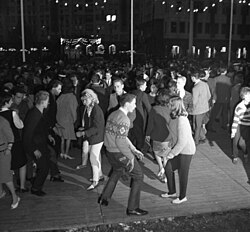
The explosion of the pop music market in the late 1950s transformed dance fads into commercial products. Between the 1950s and 1970s, new dance steps appeared almost weekly. Many of these were adapted from the clubs and discothèques of major U.S. urban centers. Notable examples from this era include the Madison, the Mashed Potato, the Watusi, and the Frug.
During the 1950s and 1960s, animal-themed names were particularly common, such as the Pony, the Dog, and the Chicken. The synergy between music and movement became so strong that hits like "The Loco-Motion" were written specifically to create a dance, while others, like Dee Dee Sharp's "Mashed Potato Time," were designed to capitalize on existing trends.
The Evolution of Style and Structure
Dance fads generally fall into three categories: solo, partner, or group dances. Some are freestyle, meaning they lack a rigid step pattern and are instead identified by a general movement style—such as the Shake or the Swim. Others are strictly choreographed, with standardized versions published in teen magazines to ensure widespread adoption.
Over time, many fads fade away, though some survive as specific steps (like the Shimmy or Suzie Q) within more established dance forms. Because they are so closely tied to the fashion and music of their time, these dances often serve as powerful triggers for nostalgia.
Chronology of Notable Dance Fads
From the early 20th century to the digital age, the nature of the dance craze has shifted from ballroom-adjacent novelties to viral internet sensations.
| Era | Notable Examples | Primary Characteristics |
|---|---|---|
| Pre-1950s | Charleston, Conga, Hokey Pokey | Early novelty and social steps |
| 1950s - 1960s | The Twist, Mashed Potato, The Swim | Commercial pop and urban club influence |
| 1970s - 1980s | The Hustle, Y.M.C.A., Moonwalk, Thriller | Disco influence and music video choreography |
| 1990s - 2000s | Macarena, Cha Cha Slide, Soulja Boy | Global hits and early digital spread |
| 2010s - 2020s | Gangnam Style, The Floss, Griddy | Viral music videos and social media (TikTok) |
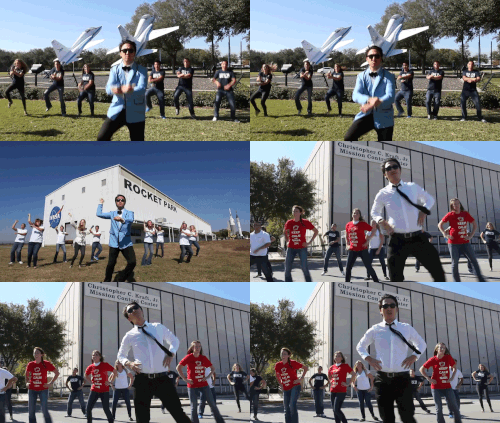
In the 1970s, the disco era introduced the Bump and the Hustle. This trend of song-driven dance continued through the 1980s with "Walk like an Egyptian," the 1990s with the Macarena, and into the 21st century with "The Ketchup Song" and the global phenomenon of "Gangnam Style."
Frequently Asked Questions
What is the difference between a dance fad and a standard dance?
A dance fad is typically characterized by a short, intense burst of popularity and is often tied to a specific pop song or time period, whereas standard dances are more permanent fixtures of social or professional dance.
Where did many of the 1950s and 60s dance crazes originate?
Many were commercialized versions of styles and steps created by African-American dancers in major U.S. cities, including Detroit, Philadelphia, and New York.
How were dance fads spread before the internet?
Before the digital age, standardized dance moves were often published in teen and dance magazines, and were spread through pop songs and movies.
Are all fad dances choreographed?
No. Some are freestyle, meaning they are distinguished by a general style of movement (like the Twist or the Shake) rather than a specific, rigid sequence of steps.
Which dance fads have remained popular over time?
While most are short-lived, dances like the Twist, the Y.M.C.A., and the Hokey Pokey have maintained popularity long after their initial peak.