Daegu: South Korea's Vibrant Metropolitan Hub
Located in the Yeongnam region of South Korea, Daegu is a sprawling metropolitan city that blends deep historical roots with cutting-edge urban development. Known for its distinct dialect, passionate sports culture, and a unique culinary scene, Daegu serves as a critical economic and cultural center for the region. With a population of over 2.3 million people and a metropolitan area exceeding 3.4 million, it is one of the most significant urban centers in the country.
From the serene heights of Palgongsan to the bustling corridors of Dongseong-ro, the city offers a diverse experience for residents and visitors alike. Its strategic location and robust infrastructure make it a hub for education, medicine, and industry.
Key Facts
- Population: Approximately 2,351,461 (City) and 3,466,452 (Metro area) as of January 2026.
- Economy: Nominal GDP of KRW 73 trillion (US$ 58 billion) as of 2023.
- Geography: Spans 1,499.51 km², consisting of 7 districts (Gu) and 2 counties (Gun).
- Symbols: The city's official flower is the Magnolia, its tree is the Fir, and its bird is the Magpie.
- Major Events: Host of the 2011 World Championships in Athletics and the 2003 Summer Universiade.
Geography and Administration
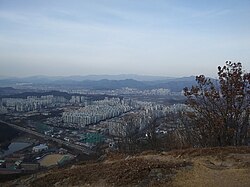
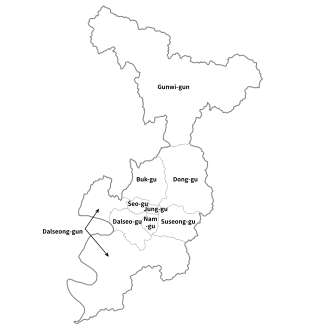
Daegu is situated at coordinates 35°52′18″N 128°36′06″E, with an average elevation of 106 meters. In July 2023, the city expanded its administrative reach by integrating Gunwi County from North Gyeongsang Province.
The city is organized into several administrative divisions to manage its dense population and diverse landscape:
- Districts (Gu): Jung (Central), Dong (East), Seo (West), Nam (South), Buk (North), Suseong, and Dalseo.
- Counties (Gun): Dalseong and Gunwi.
Climate
Daegu is known for its distinct seasonal variations. The city experiences hot, humid summers and cold winters. Precipitation peaks during the summer months, particularly in July and August, while the winter months remain relatively dry.

History and Resilience
Daegu's history stretches from the Silla period through the Goryeo and Joseon dynasties. It has evolved from a regional center into a modern metropolis, though this growth has been marked by moments of profound tragedy. The city has shown immense resilience following two major disasters: the 1995 gas explosions, which claimed 101 lives, and the 2003 subway fire, which resulted in 192 fatalities.
Culture, Sightseeing, and Lifestyle

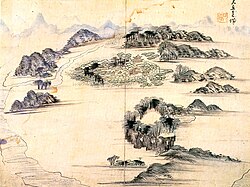
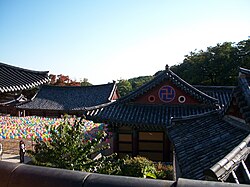
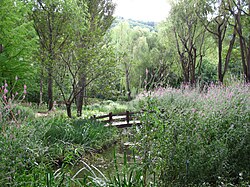
The city is a treasure trove of cultural landmarks and natural beauty. The "Daegu 12 Views" gallery highlights the city's most scenic spots, including the Palgongsan and Biseulsan mountains, the Dalseongtoseong Fortress, and the modern 83 Tower.
Shopping and Arts
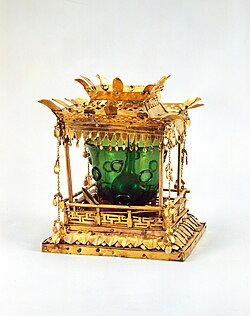
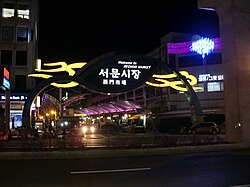
For those seeking urban excitement, Dongseong-ro is the heart of the city's shopping and nightlife. The Seomun Market remains one of the most iconic traditional markets in Korea. Art enthusiasts can visit the Daegu Art Museum or the Daegu National Museum, which houses relics excavated from the surrounding region.
Culinary Specialties
Daegu is famous for its unique food culture, which differs slightly from the broader Yeongnam region. Notable dishes include:
- Ttaro-gukbap: A unique version of soup and rice served separately.
- Mungtigi: Raw beef marinated with sesame oil, garlic, and red pepper powder.
- Makchang: Grilled beef abomasum.
- Jjimgalbi: Spicy, sweet, and garlicky braised beef ribs.
- Napjak mandu: Thin, flat dumplings filled with vegetables and glass noodles.
Economy, Education, and Infrastructure

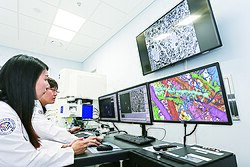
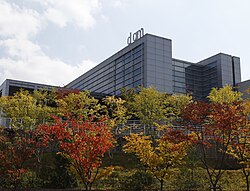
Daegu maintains a strong economic profile with a focus on the fashion industry and high-tech research. The city is home to the Korean Brain Research Center's Advanced Equipment Center and hosts the Green Energy Expo.
Education and Medicine
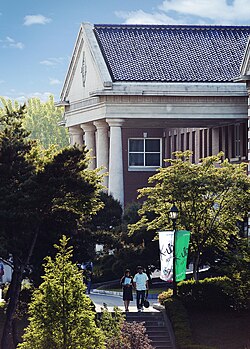
The city is a center for academic excellence, featuring institutions such as Kyungpook National University and Keimyung University. It is also recognized for its advanced medical facilities, including the Kyungpook National University School of Medicine.
Transportation
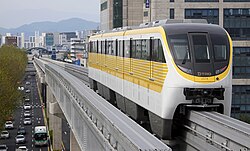
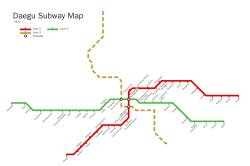
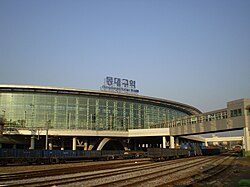
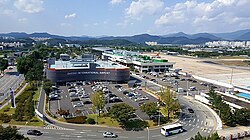
Daegu boasts a comprehensive transit network. The Daegu Metro consists of multiple lines, including the distinctive Line 3 monorail. For long-distance travel, Dongdaegu Station serves as a primary rail hub, while Daegu International Airport connects the city to the world.
Sports and Entertainment
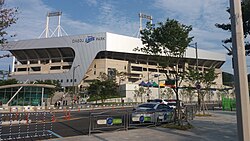
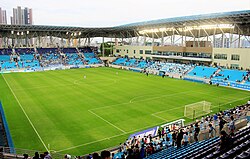
Sports are a major part of the city's identity. Daegu is the home of the Samsung Lions (KBO League), Daegu FC (K League 2), and the Daegu KOGAS Pegasus (KBL). The city's stadiums, such as Daegu Samsung Lions Park and Daegu iM Bank Park, are centers of community passion.
City Overview Summary
| Category | Details |
|---|---|
| Administrative Status | Metropolitan City |
| Population (Metro) | 3,466,452 |
| Nominal GDP (2023) | US$ 58 Billion |
| Key Industries | Fashion, Tech, Medicine |
| Major Sports Teams | Samsung Lions, Daegu FC, KOGAS Pegasus |
| Primary Transit | Metro Lines 1, 2, 3; Dongdaegu Station |
Frequently Asked Questions
What makes Daegu's cuisine unique?
Daegu is known for specific regional dishes like Ttaro-gukbap, where the rice and soup are served separately, and Mungtigi, a specially marinated raw beef dish.
Which major sports teams are based in Daegu?
The city is home to the Samsung Lions (baseball), Daegu FC (football), and the Daegu KOGAS Pegasus (basketball).
How is the public transportation system in Daegu?
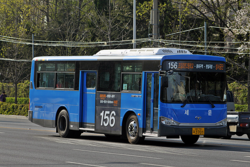
Daegu has an efficient system including a multi-line Metro (with a monorail on Line 3), an extensive bus network, and major rail connections via Dongdaegu and Daegu stations.
What are the must-visit cultural sites in Daegu?
Key attractions include the Seomun Market, Dongseong-ro shopping district, the Daegu Art Museum, and the scenic Palgongsan mountain.
What is the administrative structure of the city?
Daegu is a metropolitan city divided into 7 districts (Gu) and 2 counties (Gun), including the recently integrated Gunwi County.