Cuckoos: The Diverse and Fascinating World of the Cuculidae Family
From the tiny bronze cuckoo to the large, striking coucals of the Indo-Pacific, the family Cuculidae represents one of the most diverse groups of birds on Earth. With a temporal range stretching from the Eocene to the present day, these birds have evolved a wide array of specialized lifestyles, ranging from forest-dwelling insectivores to ground-running specialists.
Cuckoos are medium-sized birds that exhibit incredible variation in scale. The smallest, the bronze cuckoo, weighs just 17 grams, while larger species like the giant coua of Madagascar can reach lengths of up to 80 cm. This diversity is reflected in their physical adaptations, most notably their zygodactyl feet—a configuration where two toes point forward and two point backward, providing excellent grip for climbing or running.
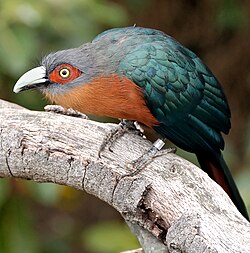
Key Facts
- Scientific Classification: Order Cuculiformes, Family Cuculidae.
- Foot Structure: Zygodactyl (two toes forward, two toes backward).
- Size Range: 15 cm (bronze cuckoo) to 80 cm (giant coua).
- Taxonomy: Approximately 150 species divided into 33 genera.
- Key Adaptation: Many species practice brood parasitism, laying eggs in the nests of other birds.
Physical Diversity and Body Forms
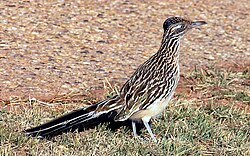
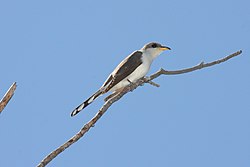
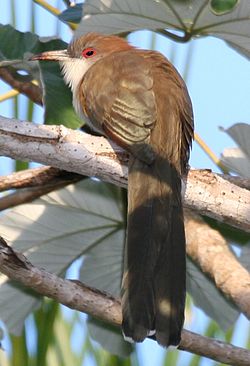
Cuckoos generally fall into two primary ecological body forms. Arboreal species, such as the common cuckoo, are typically slender with short tarsi (lower leg bones), making them well-suited for life in the trees. In contrast, terrestrial species, such as the roadrunners, are more heavy-set with long tarsi, optimized for life on the ground.
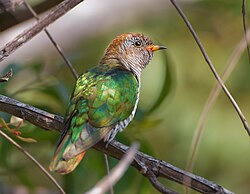
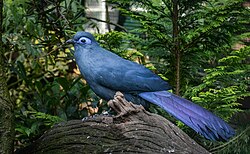
Plumage also varies significantly across the family. While many are camouflaged, some species exhibit stunning iridescence—a structural coloration that creates a shimmering effect. The Asian emerald cuckoo is a prime example of this visual brilliance.
Size and Species Comparison
| Type/Species | Notable Feature | Typical Habitat/Region |
|---|---|---|
| Bronze Cuckoo | Smallest (17g) | Various |
| Channel-billed Cuckoo | Largest parasitic species (630g) | Various |
| Roadrunners | Terrestrial/Long tarsi | Ground-dwelling |
| Coucals | Large Indo-Pacific forms | Indo-Pacific |
| Giant Coua | Large size (up to 80cm) | Madagascar |
The Complexity of Brood Parasitism
Perhaps the most famous trait of certain cuckoo lineages is brood parasitism. This is a reproductive strategy where the female lays her eggs in the nests of other bird species, leaving the host to raise the offspring. This behavior has sparked an evolutionary "arms race" between cuckoos and their hosts, involving complex adaptations such as host egg mimicry, where cuckoo eggs evolve to look like the host's eggs to avoid detection.
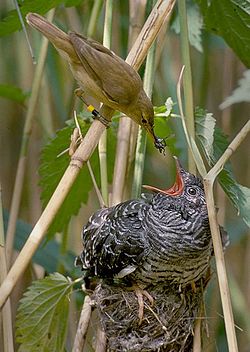
Cuckoos have even developed biological advantages to ensure their success. A female cuckoo may hold an egg in her oviduct for an additional 24 hours before laying. Because the bird's internal temperature is 3–4 °C higher than the external nest temperature, this "internal incubation" gives the egg a head start of roughly 30 hours of development before it even hits the host's nest.
Taxonomy and Subfamilies
The family Cuculidae is highly organized into several subfamilies that reflect their evolutionary paths:
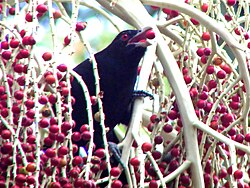
- Crotophaginae: New World group-living cuckoos, including the true anis.
- Neomorphinae: New World ground cuckoos, such as the roadrunners.
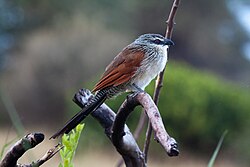
- Centropodinae: The coucals.
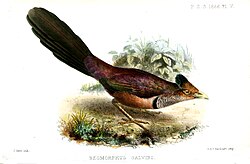
- Couinae: Malagasy and South East Asian ground cuckoos.
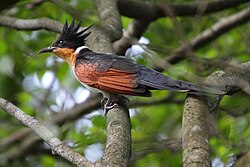
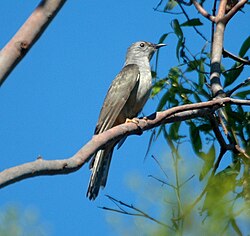
- Cuculinae: Includes the brood-parasitic cuckoos of the Old World and malkohas.
Frequently Asked Questions
What are zygodactyl feet?
Zygodactyl feet are a type of toe arrangement where two toes point forward and two toes point backward. This is a distinguishing feature of the cuckoo family.
How do cuckoos practice brood parasitism?
Brood parasitism occurs when a cuckoo lays its eggs in the nest of another bird species. The host bird then unknowingly incubates the egg and raises the cuckoo chick as its own.
Are all cuckoos parasitic?
No. While many well-known species are parasitic, the family includes many non-parasitic species, such as the terrestrial ground cuckoos and the arboreal malkohas.
What is the difference between arboreal and terrestrial cuckoos?
Arboreal cuckoos are tree-dwelling species with slender bodies and short legs, whereas terrestrial cuckoos are ground-dwelling species that are more heavy-set with long legs for running.
Why do cuckoo eggs hatch so quickly in host nests?
Cuckoos use a method of internal incubation. By holding the egg in the oviduct for 24 hours at a high internal body temperature, the egg receives a significant head start in development before being laid.