Cross River Gorilla: The World's Rarest Great Ape
Deep within the rugged, forested hills of the Cameroon-Nigeria border region lives one of the most elusive creatures on Earth: the Cross River gorilla (Gorilla gorilla diehli). As the most western and northern subspecies of gorilla, these primates are restricted to a fragmented landscape at the headwaters of the Cross River. With a population estimated at fewer than 250 mature individuals, they hold the somber title of the world's rarest great ape.
These gorillas are separated from their closest relatives, the western lowland gorillas, by approximately 300 km (190 mi), and from the Ebo Forest population in Cameroon by about 250 km (160 mi). This isolation, combined with their extreme rarity, makes every sighting a significant event for the scientific community.
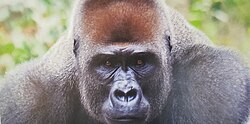
Key Facts
- Conservation Status: Critically Endangered (IUCN 3.1).
- Population: Fewer than 250 mature individuals remaining in the wild.
- Range: Approximately 12,000 km² across the Nigeria-Cameroon border.
- Habitat: Dense tropical and subtropical moist broadleaf forests.
- Distinctiveness: Recognized as a distinct subspecies in 2000 based on cranial and tooth morphology.
Taxonomy and Identification
The Cross River gorilla was first identified as a new species of western gorilla by mammalian taxonomist Paul Matschie in 1904. However, it took decades of research to confirm its unique status. In 1987, its morphological distinctiveness was validated, and by 2000, detailed analyses of long bone proportions and cranial structure officially classified it as a distinct subspecies.
Habitat and Distribution
The Cross River gorilla thrives in dense, uninhabited forests, typically favoring rugged terrain and high altitudes to avoid human contact. Their range spans from 100 to 2,037 metres (328 to 6,683 ft) above sea level. While they are most concentrated in 11 specific localities, genetic research and field surveys suggest a wider distribution across their 12,000 km² range, with individuals occasionally dispersing between groups to maintain genetic contact.
Confirmed populations exist in several key reserves, including the Mbe Mountains and the Afi River, Boshi Extension, and Okwanggo reserves in Nigeria, as well as the Takamanda, Mone River, and Mbulu forests in Cameroon. While they generally prefer high-altitude niches (averaging 776 m), studies in 2013 confirmed their presence in lower areas like the Mawambi Hills (552 m).
Behavior and Nesting Habits
Because these gorillas are highly wary of humans, much of what scientists know comes from indirect evidence such as feces, feeding trails, and nests. Their nesting behavior is heavily influenced by the environment and the seasons.
Seasonal Nesting Patterns
Research at Kagwene Mountain revealed a clear divide in nesting preferences: during the dry season, gorillas primarily build nests on the ground. Conversely, during the wet season, they move their nests high into the trees to seek protection from the rain. They also tend to create more "day nests" during the rainy period.
Social Grouping
While the average group size is estimated at 4 to 7 individuals, nesting sites often contain more. Researchers have found sites with an average of 12.4 nests, and some locations have held up to 26 nests, suggesting that multiple groups occasionally nest together.
Threats to Survival
The Cross River gorilla has faced a devastating decline, with population numbers dropping by 59% between 1995 and 2010—the steepest decline of any great ape subspecies in that period.
Habitat Loss and Fragmentation
The primary threat is the loss of undisturbed dense forest. As humans occupy more land for natural resources, the gorillas are pushed into smaller, geographically separated pockets. This fragmentation increases the risk of inbreeding and makes the populations more vulnerable.
Hunting and Human Interference
Bushmeat hunting remains a critical danger. The fear of hunters has made these gorillas extremely secretive, further complicating conservation efforts. They actively avoid nesting in areas near human settlements, even within protected sanctuaries.
![Nyango, the only known Cross River gorilla in captivity. She died on October 10, 2016.[20]](/images/87/2e/872efaa14a60bb7d1763b7ed46639ba3b6fbe5dfc9c3f868f3df3f3b4cd11070.jpg)
Conservation Efforts
To combat extinction, the Cameroonian government established the Kagwene Gorilla Sanctuary on April 3, 2008. This sanctuary protects 19.44 km² of rugged terrain, reaching altitudes of 2,037 metres. Government-empowered eco-guards enforce wildlife laws to protect the remaining inhabitants.
Other successes include the rerouting of a planned superhighway west of the Ekuri community forest in 2017, which prevented the destruction of vital habitat and buffer zones. Conservationists emphasize that these gorillas are essential to their ecosystem as primary seed dispersers for various tropical plant species.
| Category | Details |
|---|---|
| Scientific Name | Gorilla gorilla diehli |
| IUCN Status | Critically Endangered |
| Estimated Population | < 250 mature individuals |
| Primary Range | Cameroon-Nigeria border region |
| Key Threats | Habitat loss, bushmeat hunting, fragmentation |
| Major Sanctuary | Kagwene Gorilla Sanctuary |
Frequently Asked Questions
Why is the Cross River gorilla so rare?
Their rarity is due to a combination of severe habitat loss, fragmentation of their living areas, and illegal bushmeat hunting, which led to a 59% population decline between 1995 and 2010.
How do they differ from other gorillas?
They are morphologically distinct, with differences found in their cranial structure, tooth morphology, and the proportions of their long bones.
Where do they live?
They are restricted to the forested hills and mountains along the border of Nigeria and Cameroon, specifically around the headwaters of the Cross River.
How does the weather affect their behavior?
Weather significantly impacts their nesting; they build nests on the ground during the dry season and move to arboreal (tree) nests during the wet season to stay dry.
What role do they play in the environment?
They serve as critical seed dispersers for several tropical plant species, meaning many plants would face extinction without the gorillas to spread their seeds.