Cricket: History, Rules, and the Evolution of the Gentlemen's Game
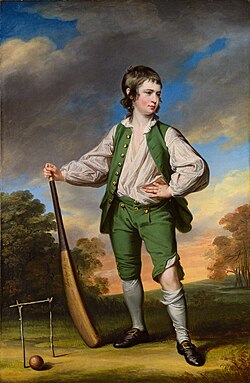
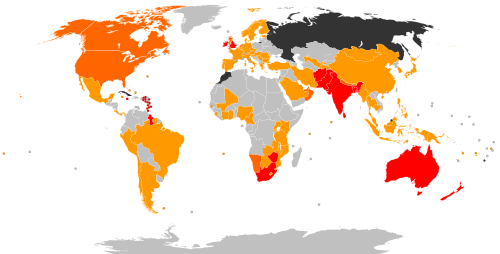
Often referred to as "The Gentlemen's Game," cricket is a globally beloved bat-and-ball team sport. Originating in South East England during the 16th century, it has grown from a local village pastime into a professional international phenomenon. Today, it is most popular across the Commonwealth and is governed by the International Cricket Council (ICC).
At its core, cricket is a contest between two teams of 11 players. The game blends strategic positioning, physical skill, and endurance, ranging from the multi-day intensity of Test matches to the fast-paced excitement of Twenty20 (T20) leagues.
Key Facts
- Governing Body: International Cricket Council (ICC), headquartered in Dubai.
- Core Equipment: Cricket bat, ball, and wickets (stumps and bails).
- Team Size: 11 players per side.
- Primary Formats: Test cricket, Limited Overs (ODI), and T20.
- Custodian of Laws: Marylebone Cricket Club (MCC) in London.
- Olympic Status: Featured in 1900 and scheduled for return in 2028.
The History and Evolution of Cricket
Origins and Early Development
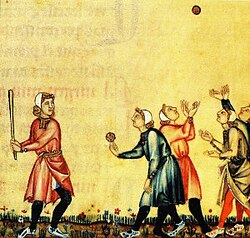
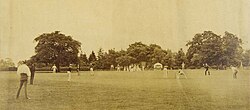
The earliest recorded instance of cricket dates back to a 1611 village match in Kent. By the 18th century, the sport began to formalize. The Hambledon Club became the game's focal point in the 1760s before the Marylebone Cricket Club (MCC) was established in 1787. The MCC became the premier club and the official custodian of the Laws of Cricket, introducing critical rules such as the three-stump wicket and leg before wicket (lbw).
Technological and Equipment Shifts
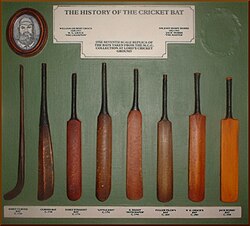
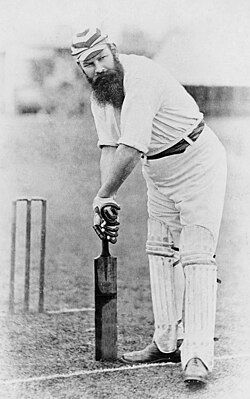
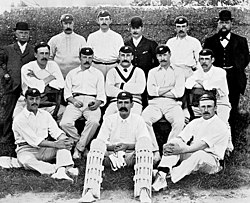
The equipment used in the game has evolved significantly to meet the demands of changing playstyles. Early bats resembled hockey sticks, but shifted to a straight design around 1760 as pitched delivery bowling became common. While basic protective gear like pads has remained similar since the late 19th century, modern players now utilize advanced helmets and arm guards for safety.
Going Global
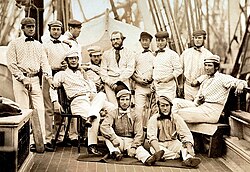
Cricket transitioned into an international sport in the late 19th century. The first retrospective Test match took place in 1876–77 between England and Australia at the Melbourne Cricket Ground. This rivalry led to the creation of The Ashes in 1882. The sport continued to expand with South Africa playing England in 1888–89, eventually leading to the formation of the Imperial Cricket Conference in 1909 (now the ICC).
Laws and Gameplay
The Playing Area and Structure
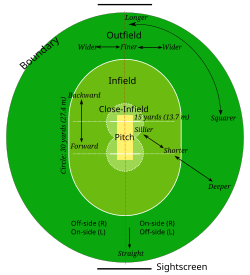
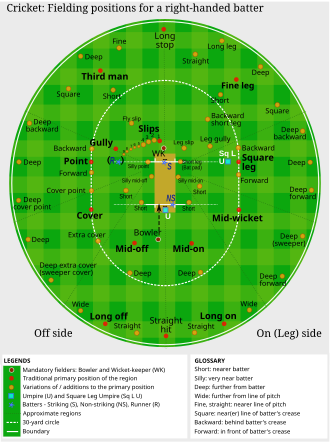
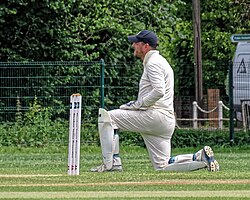
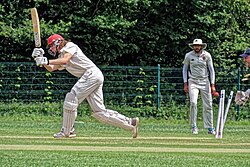
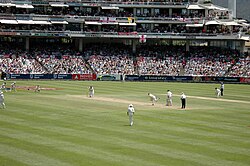
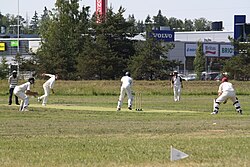
Cricket is played on a large field, with the central action occurring on the pitch—a rectangular strip where the bowler delivers the ball to the batter. The match is divided into innings, where one team bats to score runs while the other bowls and fields to restrict scoring and dismiss the batters.

Basic Mechanics: Bowling and Batting
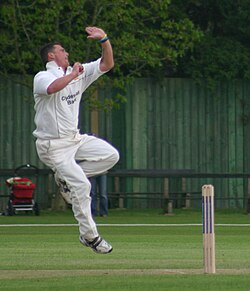
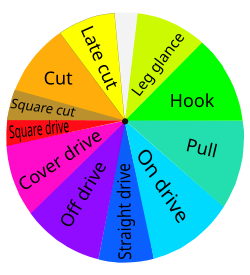
The bowler generates momentum through a run-up and releases the ball during their delivery stride. The batter attempts to hit the ball to score runs or protect their wicket. A set of six legal deliveries is known as an over.
Scoring and Dismissals
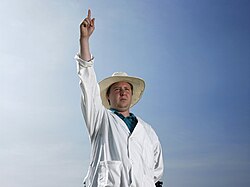
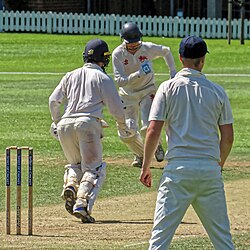
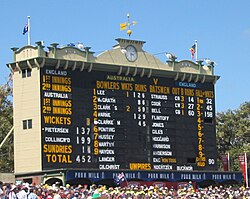
Runs are scored by batting pairs running between the wickets or by hitting the ball to the boundary. However, the batting team's progress is halted by dismissals. Common methods include:
- Bowled: The ball hits the wicket.
- Caught: A fielder catches the ball before it touches the ground.
- Leg Before Wicket (lbw): The batter's body prevents the ball from hitting the wicket.
- Run Out: A fielder hits the wicket with the ball while the batter is outside their crease.
- Stumped: A specific run out involving the wicket-keeper.
Modern Formats and Governance
From Test Matches to T20
While Test cricket remains the traditional pinnacle, limited-overs cricket was introduced in 1963 to ensure definitive results. This led to the first One Day International (ODI) in 1971 and the inaugural Cricket World Cup in 1975. In the 21st century, the launch of the Indian Premier League (IPL) in 2008 catalyzed the rise of T20 cricket, a shorter, high-intensity format that has increased the sport's commercial value.
![The Indian Premier League (IPL) was launched in 2008. It has become one of the richest sports leagues in the world, and has greatly increased the importance of T20 cricket and franchise leagues.[65]](/images/4e/41/4e416c085e0fe86457e7afb95a99420b61e7f97674aa39d70305c810f2ac9cd9.jpg)
The International Cricket Council (ICC)
The ICC manages the global game, organizing the Men's and Women's World Cups and the World Test Championship. It categorizes nations into Full Members (eligible for Test cricket) and Associate Members.
| Nation | Governing Body | Full Member Since |
|---|---|---|
| Australia | Cricket Australia | 1909 |
| England & Wales | England and Wales Cricket Board | 1909 |
| South Africa | Cricket South Africa | 1909 |
| India | Board of Control for Cricket in India | 1926 |
| West Indies | Cricket West Indies | 1926 |
| New Zealand | New Zealand Cricket | 1926 |
| Pakistan | Pakistan Cricket Board | 1952 |
| Sri Lanka | Sri Lanka Cricket | 1981 |
| Zimbabwe | Zimbabwe Cricket | 1992 |
| Bangladesh | Bangladesh Cricket Board | 2000 |
| Afghanistan | Afghanistan Cricket Board | 2017 |
| Ireland | Cricket Ireland | 2017 |
Frequently Asked Questions
What is the difference between a Test match and a T20?
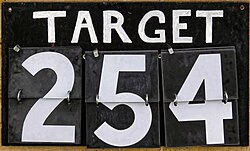
Test cricket is the longest form of the game, played over five days with unlimited overs per innings. T20 is a limited-overs format where each team bats for a maximum of 20 overs, making it much faster and more aggressive.
Who maintains the official rules of cricket?
The Marylebone Cricket Club (MCC) in London is the custodian of the Laws of Cricket and is responsible for drafting and updating the 42 Laws that govern the sport.
What does "lbw" stand for and how does it work?
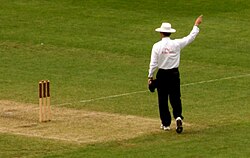
LBW stands for "leg before wicket." It occurs when the ball hits the batter's body (usually the leg) instead of the bat, and the umpire determines that the ball would have gone on to hit the stumps.
Which players hold significant international records?
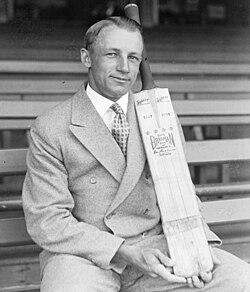
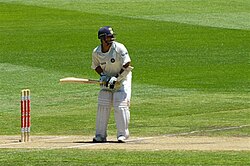
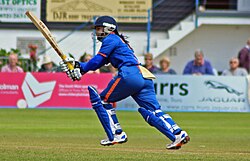
Notable record-holders include Don Bradman of Australia, who achieved a Test batting average of 99.94, and Sachin Tendulkar, the only player to score one hundred international centuries. In women's cricket, Mithali Raj of India is the highest run scorer.