Cradles of Civilization: The Origins of Complex Human Societies
The story of human progress is marked by the emergence of cradles of civilization—specific locations and cultures where complex societies first developed independently. A civilization is defined as a complex society characterized by the establishment of a state, social stratification, urbanization, and symbolic systems of communication, such as graphic arts and writing systems, that extend beyond spoken or signed language.
Most of these early societies shared a fundamental reliance on agriculture. By producing an agricultural surplus, these cultures could support centralized governments, political and religious leaders, and the massive public works required to maintain urban centers. While most depended on farming, some, such as the Caral–Supe, may have initially relied on marine resources for sustenance.
Key Facts
- Six Primary Cradles: Scholars generally recognize Mesopotamia, Ancient Egypt, Ancient India, Ancient China, Caral–Supe (Peru), and the Olmec (Mexico).
- Agricultural Foundation: Surplus food production was the essential driver for supporting non-farming elites and urban infrastructure.
- Early Sedentism: The Natufian culture in the Levant showed signs of sedentary living as early as 12,000 BC, transitioning to agriculture by 10,000 BC.
- Environmental Influence: Access to water was critical for stable food supplies, enabling the shift from hunting and gathering to permanent village life.
The Afro-Eurasian Cradles
Mesopotamia and the Fertile Crescent
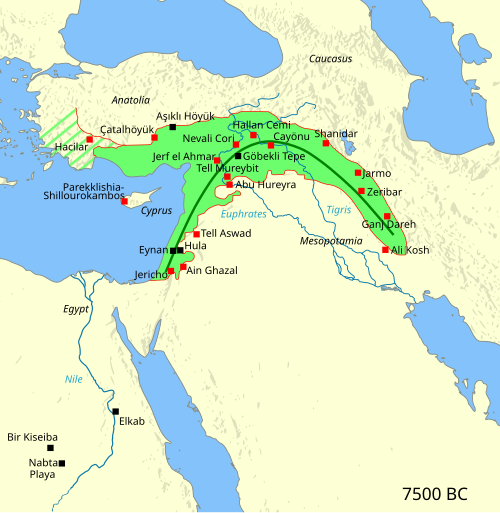
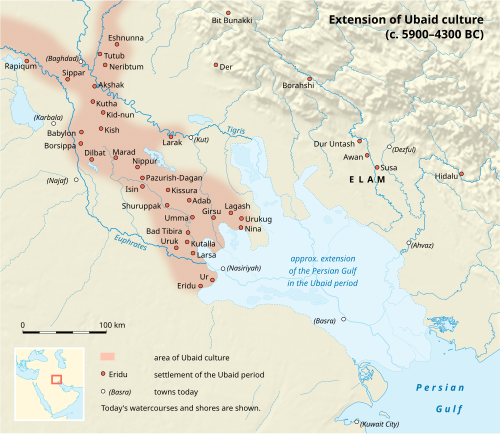
The Fertile Crescent served as a primary catalyst for early human settlement. In Mesopotamia, the development of farming villages led to the rise of major cities during the Ubaid period, establishing one of the world's first complex urban environments.
Ancient Egypt
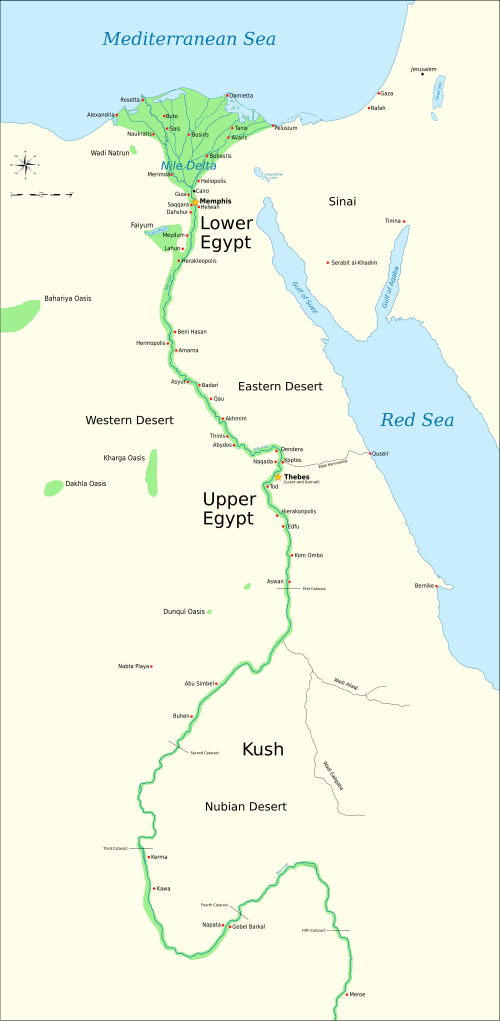
In Northeastern Africa, the Nile River provided the necessary stability for the Dynastic period (c. 3150 BC to 30 BC). This civilization is renowned for its centralized state and monumental architecture, which reflected its sophisticated social hierarchy.

The Indus Valley and Ancient China
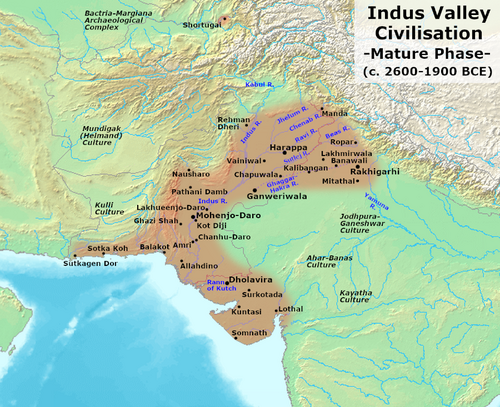
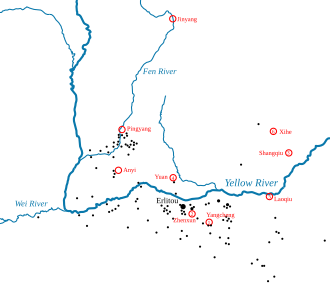
The Indus Valley Civilization expanded across vast territories in South Asia, while in East Asia, early Chinese civilization emerged near the Yellow River. In China, sites associated with the Xia and Erlitou cultures mark the transition toward early statehood.
The Cradles of the Americas
Ancient Peru: Caral–Supe
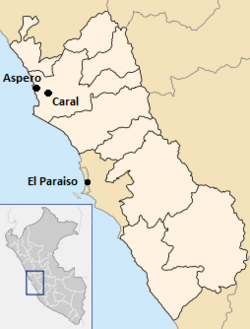
In coastal Peru, the Caral–Supe civilization represents one of the earliest complex societies in the Americas. Unlike many of its Afro-Eurasian counterparts, this culture may have initially depended on the ocean's resources before integrating agricultural practices.
Mesoamerica: The Olmec
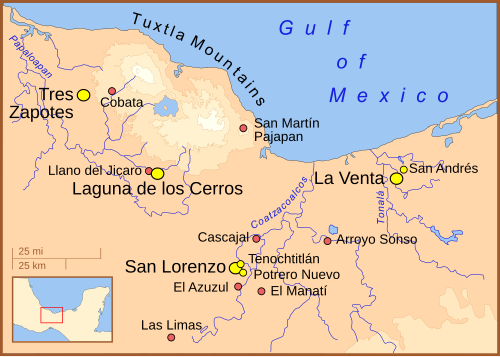
The Olmec civilization, centered in the Olmec heartland of Mexico, established the foundational cultural and political patterns for subsequent Mesoamerican societies.
Summary of Global Cradles
| Region | Civilization | Primary Resource Base |
|---|---|---|
| Mesopotamia | Sumerian/Ubaid | Agriculture (Fertile Crescent) |
| Northeastern Africa | Ancient Egypt | Agriculture (Nile River) |
| South Asia | Indus Valley | Agriculture |
| East Asia | Ancient China | Agriculture (Yellow River) |
| Coastal Peru | Caral–Supe | Marine Resources / Agriculture |
| Mexico | Olmec | Agriculture |
Frequently Asked Questions
What defines a "cradle of civilization"?
A cradle of civilization is a geographic location and culture from which a complex society emerged independently, characterized by urbanization, social stratification, a state government, and symbolic communication systems like writing.
Why was agriculture so important for early civilizations?
Agriculture allowed for the production of a food surplus. This surplus meant that not everyone had to farm, enabling the existence of specialized roles such as political leaders, religious figures, and laborers for public works.
Which civilization might not have started with farming?
The Caral–Supe civilization of coastal Peru is believed by some scholars to have depended initially on marine resources rather than agriculture.
When did humans first start living in permanent settlements?
The earliest signs of sedentary culture appeared in the Levant with the Natufian culture around 12,000 BC, which later evolved into an agricultural society by 10,000 BC.
How many primary cradles of civilization are generally recognized?
Scholars generally acknowledge six: Mesopotamia, Ancient Egypt, Ancient India, Ancient China, Caral–Supe, and the Olmec.