Cover Crops: Enhancing Soil Health and Agroecosystem Sustainability
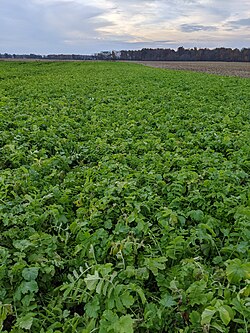
In the world of sustainable agriculture, cover crops are plants grown primarily to cover the soil rather than for harvest. These plants serve as a protective layer for the agroecosystem—an ecological system managed and shaped by humans—providing a wide array of benefits that extend from the microscopic level of soil bacteria to the broader health of the surrounding environment.
Often planted during the off-season after a cash crop has been harvested, cover crops act as nurse crops, increasing the survival rates of the primary harvest. By remaining in the field, often throughout the winter, they manage critical factors such as soil fertility, water quality, and pest control while removing CO2 from the atmosphere.
Key Facts
- Soil Protection: Cover crops prevent erosion by scattering raindrop energy and reducing water velocity across the surface.
- Nutrient Boost: They increase microbial activity, which improves nitrogen availability and uptake for subsequent target crops.
- Environmental Impact: These crops reduce water pollution and help sequester atmospheric carbon dioxide.
- Measurable Gains: Meta-analysis shows cover crops can increase saturated hydraulic conductivity by approximately 106%.
- Carbon and Nitrogen: Topsoil total organic carbon and total nitrogen can increase by roughly 10% and 20%, respectively.
Combating Soil Erosion
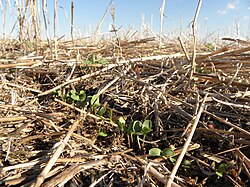
Soil erosion is a destructive process that can irreparably damage the productive capacity of an agroecosystem. Cover crops are frequently deployed specifically to halt this loss. They achieve this by improving soil structure and increasing infiltration, which protects the soil surface from the direct impact of rain.
Dense stands of cover crops physically slow down rainfall before it hits the ground, preventing soil splashing and erosive surface runoff. Beneath the surface, vast root networks anchor the soil in place and increase soil porosity. This creates essential habitat networks for soil macrofauna, ensuring the soil remains enriched for several years.
Managing Soil Fertility and Quality
The impact of soil management extends far beyond the edges of a single field. In the Mississippi Valley Basin, excessive nitrogen loading from fertilizers has led to a massive hypoxic "dead zone" in the Gulf of Mexico. In 2017, this area reached over 22,000 square kilometres (8,500 sq mi), severely diminishing the ecological complexity of marine life.
Cover crops offer a sustainable alternative by managing nitrogen more naturally. By increasing microbial activity, they enhance the availability of nutrients for the main crop, reducing the reliance on chemical fertilizers. Recent syntheses indicate that while the magnitude of change depends on climate, soil texture, and species selection, cover cropping generally improves both the physical and chemical quality of the soil.
Ecosystem Services and Environmental Benefits
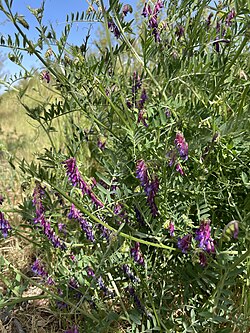
Beyond fertility, cover crops provide essential ecosystem services. They act as a biological tool for water management and weed suppression. Some species utilize allelopathy—the production of biochemicals that inhibit the growth of other organisms—to naturally reduce weed populations.
Furthermore, these crops support biodiversity and wildlife. By providing habitat and food sources, they encourage the presence of beneficial insects and birds, which can assist in the biological control of pests. This holistic approach reduces the need for synthetic pesticides and fungicides, creating a more resilient agricultural environment.
| Metric/Feature | Effect of Cover Cropping | Environmental Benefit |
|---|---|---|
| Saturated Hydraulic Conductivity | Increased by ~106% | Better water infiltration and reduced runoff |
| Total Organic Carbon | Increased by ~10% | Improved soil structure and carbon sequestration |
| Total Nitrogen (Topsoil) | Increased by ~20% | Higher nutrient availability for cash crops |
| Soil Surface | Physical shielding | Prevention of soil splashing and erosion |
| Atmospheric CO2 | Removal/Sequestration | Mitigation of greenhouse gases |
Frequently Asked Questions
What exactly is a cover crop?
A cover crop is a plant grown to cover the soil surface rather than for harvest. It is typically planted during the off-season to protect the soil and improve its health for future crops.
How do cover crops prevent soil erosion?
They protect the soil by scattering the energy of raindrops, slowing down the velocity of water moving across the surface, and using extensive root networks to anchor the soil in place.
Can cover crops actually increase crop yields?
Yes. By increasing soil microbial activity and improving the availability and uptake of nitrogen, cover crops can have a positive effect on the yields of the target cash crops.
What is the relationship between cover crops and the "dead zone" in the Gulf of Mexico?
Excessive nitrogen from fertilizers runs off into watersheds like the Mississippi Valley Basin, causing hypoxia (oxygen depletion) in the Gulf. Cover crops help manage nitrogen more efficiently, reducing the runoff that contributes to these dead zones.
What is allelopathy in the context of cover crops?
Allelopathy is when a cover crop produces biochemicals that affect the growth of other organisms, which can be used as a natural method to suppress weeds without the use of herbicides.