Corvids: The Intelligence and Diversity of Crows, Jays, and Magpies
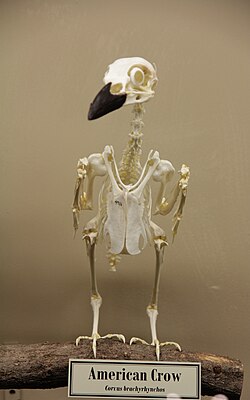
The family Corvidae comprises some of the most adaptable and intellectually capable birds on the planet. From the ubiquitous American crow to the vibrant blue magpies of Asia, these birds are renowned for their problem-solving skills, complex social structures, and opportunistic nature. Belonging to the order Passeriformes (perching birds), corvids have evolved into a diverse group of species that occupy nearly every corner of the globe.
Whether they are caching food for the winter or utilizing tools to reach prey, corvids exhibit a level of cognitive sophistication that often rivals that of primates. This combination of physical agility and mental acuity has allowed them to thrive in environments ranging from dense forests to bustling urban centers.
Key Facts
- Temporal Range: The corvid lineage dates back to the Middle Miocene.
- Cognitive Ability: Known for complex rational thought, memory, and the use of tools.
- Dietary Habits: Highly opportunistic foragers that consume a wide variety of food sources.
- Global Presence: Includes a vast array of crows, ravens, jays, magpies, and treepies.
- Evolutionary Convergence: Their intelligence is often compared to that of great apes due to convergent evolution.
Systematics and Evolution
The taxonomic classification of corvids places them within the superfamily Corvoidea. Their evolutionary history is documented through a fossil record that spans millions of years, beginning in the Middle Miocene. Early ancestors such as Miocorvus (found in southwestern France) and Miopica (from southwestern Ukraine) provide insight into how these birds diversified.
Over time, the family split into several subfamilies, including the Corvinae and Cyanocoracinae, leading to the specialized forms we see today. This evolutionary journey has resulted in a wide variety of beak shapes and body sizes tailored to specific ecological niches.
Diversity of Species
The family Corvidae is remarkably broad, encompassing several distinct groups of birds. While many people associate the term "corvid" exclusively with black crows, the family includes a spectrum of colors and behaviors.
True Crows and Ravens
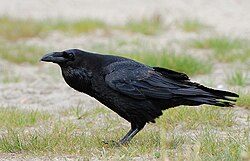
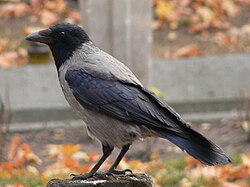
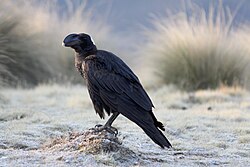
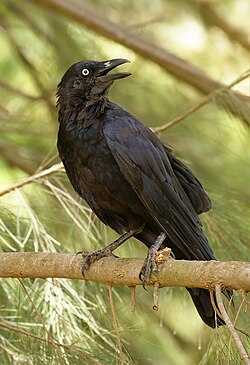
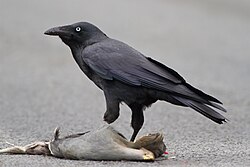
The genus Corvus contains the most well-known members, including the Common raven (Corvus corax), the American crow, and the Hooded crow. These birds are typically larger and are found globally, with specific adaptations for their regions, such as the Thick-billed raven in Africa or the Australian raven.
Jays and Nutcrackers
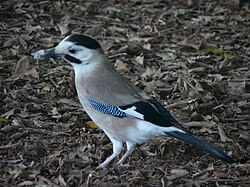
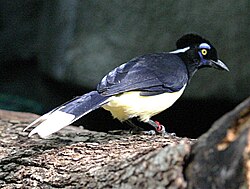
Jays, such as the Blue jay and the Eurasian jay, are often more colorful and are known for their caching behavior. Nutcrackers, like the Clark's nutcracker, have specialized beaks for extracting seeds from cones.
Magpies and Treepies
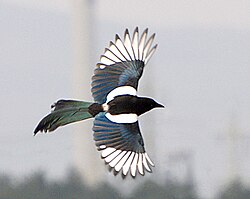
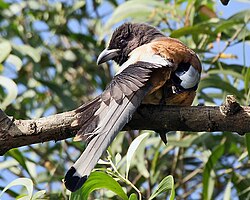
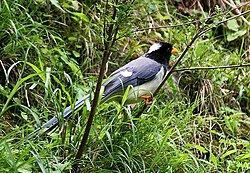
From the Eurasian magpie to the various treepies of Asia, these birds often exhibit striking plumage. Treepies, such as the Rufous treepie, are specialized forest dwellers.
Ecology and Behavior
Corvids are opportunistic foragers, meaning they can shift their diet based on what is available in their environment. This flexibility allows them to survive in diverse habitats, though it also leads them to scavenge on carrion.
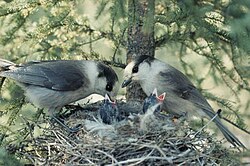
Their social lives are equally complex. Many species exhibit cooperative breeding and strong family bonds. For example, Canada jays are known for their dedicated parental care.
Avian Intelligence
The most striking feature of corvids is their cognitive ability. Research indicates that their intelligence is a result of convergent evolution—where different species evolve similar traits independently—making them comparable to chimpanzees and orangutans in certain rational tasks.
![Proportions of correct responses as a function of species (R: ravens; C: chimpanzees; O: orang-utans)[70]](/images/2b/b8/2bb890f7da9ce498261a41a08ba318112dc7b18873171415aca64da7d864a915.png)
Key areas of corvid intelligence include:
- Tool Use: New Caledonian crows are famous for creating and using compound tools to extract food.
- Memory: Many corvids possess an extraordinary ability to remember the locations of thousands of cached food items.
- Emotional Complexity: Studies suggest corvids experience emotional contagion and may exhibit behaviors resembling consolation toward distressed peers.
- Social Learning: They can pass information and "culture-rudiments" through generations.
Conservation Status
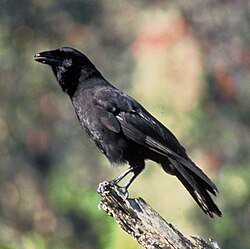
While many corvids thrive due to their adaptability, some species face severe threats. Habitat loss and other environmental factors have pushed certain birds to the brink. A poignant example is the Hawaiian crow (Corvus hawaiiensis), which is now extinct in the wild.
| Group | Key Genera | Notable Examples | Primary Characteristic |
|---|---|---|---|
| True Crows/Ravens | Corvus, Coloeus | Common Raven, Western Jackdaw | High adaptability, large size |
| Jays | Cyanocitta, Aphelocoma | Blue Jay, California Scrub Jay | Vibrant colors, food caching |
| Magpies | Pica, Cyanopica | Eurasian Magpie, Azure-winged Magpie | Distinctive plumage, social intelligence |
| Treepies | Dendrocitta, Cissa | Rufous Treepie, Green Magpie | Forest-dwelling specialists |
Frequently Asked Questions
Are crows as smart as primates?
Research suggests that corvids exhibit cognitive abilities, such as complex rational thought and tool use, that are comparable to those of great apes, representing a remarkable example of convergent evolution.
What does "opportunistic foraging" mean?
It refers to the ability of a bird to take advantage of any available food source, whether it be seeds, insects, fruits, or carrion, allowing them to survive in varied environments.
Can corvids use tools?
Yes, certain species, most notably the New Caledonian crow, can manufacture and use tools, including compound tools made from multiple parts, to obtain food.
Why is the Hawaiian crow extinct in the wild?
The Hawaiian crow became extinct in the wild primarily due to habitat loss and other environmental pressures.
Do corvids have emotions?
Evidence suggests they experience negative emotional contagion and may engage in consolation behaviors, indicating a complex emotional life.