Cornish Music: From Traditional Folk to Modern Electronic
The musical landscape of Cornwall is a rich tapestry that blends ancient Celtic roots with cutting-edge contemporary sounds. From the haunting melodies of the Cornish language to the high-energy pulse of electronic music, the region's sonic identity is defined by a fierce pride in its heritage and a willingness to experiment.
Key Facts
- Language Preservation: Many modern artists, including Gwenno and Krena, record music in the Cornish language to keep the heritage alive.
- Diverse Genres: The scene spans from traditional sea shanties and brass bands to "Cornish Acid" techno and fish-punk.
- Global Reach: Cornish musicians have performed at major international events like the BBC Proms, Glastonbury, and Reading and Leeds festivals.
- Cultural Events: Major festivals such as Golowan and Lowender Peran serve as hubs for traditional and Pan-Celtic music.
Modern Cornish Musicians and Genres
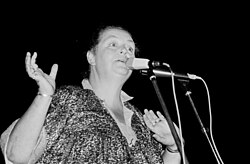
Contemporary music in Cornwall is characterized by a blend of traditional influences and modern energy. The late Brenda Wootton, known as "The Voice of Cornwall," was a pivotal figure who performed in both Cornish and English.
The evolution of the scene has seen the rise of various styles, including British folk rock performed in the Cornish language by bands such as Sacred Turf, Skwardya, and Krena. Other notable groups include Dalla, who specialized in Celtic dance music, and the Cornish-Breton family band Anao Atao.
Electronic and Underground Scenes
Cornwall has also made a significant mark on electronic music. Richard D. James, known globally as Aphex Twin, hails from Lanner. Alongside Luke Vibert and Grant Wilson-Claridge, he helped create a niche known as "Cornish Acid," often incorporating the Cornish language into his track titles.
The underground scene continues to diversify with rappers Hedluv + Passman, multi-instrumentalist Julian Gaskell, and the alternative folk/skiffle duo Zapoppin’.
High-Energy and Fusion Acts
Several bands have brought Cornish sounds to the mainstream festival circuit:
- Daft Monkeys: A fusion group combining Celtic, Balkan, Gypsy, Latino, and reggae influences. They have performed at the Eden Project and the 2008 BBC Proms.
- Black Friday: A Celtic-folk-punk six-piece known for mass sing-alongs of traditional songs like "South Australia." They hold a Guinness World Record for playing 30 gigs in twelve hours.
- Crowns: A "fish-punk" band from Launceston that blends original compositions with traditional Cornish songs, having supported acts like The Pogues.
Traditional and Classical Foundations
Traditional Cornish music remains a cornerstone of local culture, often experienced during pub sessions or at specialized festivals. A distinct style known as nos lowen (Cornish dance music) follows the Breton tradition of uncalled line dances, championed by bands like Dalla and Sowena.
In contrast, troyls are ceilidh-style dances. Popular bands in this circuit include the North Cornwall Ceilidh Band, Ros Keltek, and Tros an Treys. For those seeking vocal harmony, the Fisherman's Friends from Port Isaac have brought the sea shanty repertoire to a wide audience.
Classical and Instrumental Music
Cornwall's classical contributions include baritone Benjamin Luxon and composer Graham Fitkin. The region also has a strong history of brass and silver bands, particularly in former mining areas like St Dennis and Camborne, though over 100 such bands are now extinct.
Educational initiatives like the Triggshire Wind Orchestra and Triggshire String Orchestra, established in 1984, continue to foster young classical talent from local schools.
Festivals and Cultural Recognition
Music is central to Cornish festivals. The Cornwall Folk Festival has run for over three decades, while Lowender Peran and Golowan celebrate Pan-Celtic and midsummer traditions. The Boardmasters Festival in Newquay represents the modern side of the region, merging surfing culture with contemporary music.
Cornwall's musical prowess was highlighted between 2003 and 2005, when it won the PanCeltic Song Contest three years consecutively with artists Naked Feet, Keltyon Byw, and Krena.
| Genre/Style | Key Artists/Groups | Notable Characteristics |
|---|---|---|
| Cornish Language Folk/Rock | Krena, Gwenno, Skwardya | Lyrics in the Cornish language; preservation of heritage. |
| Electronic / "Cornish Acid" | Aphex Twin | Pioneering techno with regional influences. |
| Celtic Folk-Punk | Black Friday, Crowns | High energy, festival-oriented, "fish-punk" elements. |
| Traditional / Sea Shanties | Fisherman's Friends | Male vocal harmonies and maritime themes. |
| Dance (Nos Lowen/Troyl) | Dalla, Ros Keltek | Line dances and ceilidh-style community music. |
Frequently Asked Questions
What is "Cornish Acid" music?
Cornish Acid is a niche of electronic music associated with the home region of Richard D. James (Aphex Twin), developed alongside collaborators Luke Vibert and Grant Wilson-Claridge.
What is the difference between nos lowen and troyls?
Nos lowen is a style of Cornish dance and music that follows the Breton tradition of uncalled line dances, whereas troyls are typically called in a ceilidh style.
Which artists record music in the Cornish language?
Many artists use the language, including Gwenno (whose album Le Kov is entirely in Cornish), Ani Glass, Krena, Skwardya, and the late Brenda Wootton.
What is the significance of the PanCeltic Song Contest for Cornwall?
Cornwall demonstrated its regional strength by winning the contest for three consecutive years from 2003 to 2005.
Where can one experience traditional Cornish music today?
Traditional music is frequently found at festivals like Golowan and Lowender Peran, as well as during local Cornish music pub sessions.