Folk Music: Traditions, Characteristics, and Global Evolution
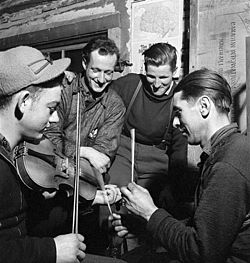
Folk music serves as a sonic archive of human history, capturing the essence of cultural identity, social struggle, and regional pride. Unlike classical compositions written for concert halls or pop hits designed for charts, traditional folk music emerges from the people, often evolving organically over generations. It is the music of the community, passed down through oral tradition rather than formal notation.
From the rugged mountains of Appalachia to the vibrant festivals of Estonia, folk music reflects the environment and the spirit of the people who create it. By examining its characteristics and global variations, we can better understand how these sounds have shaped contemporary music and continue to resonate today.
Key Facts
- Oral Transmission: Traditionally passed down by ear from one generation to the next without written scores.
- Cultural Identity: Deeply rooted in the specific history, geography, and social customs of a nation or region.
- Evolutionary Nature: Songs often undergo transformations and variations as they move across borders or through time.
- Diverse Instrumentation: Utilizes a vast array of regional instruments, from the African mbira to the Celtic harp.
- Global Reach: Exists in every inhabited continent, manifesting in forms such as Balkan music, Nordic folk, and Asian traditional styles.
Characteristics of Traditional Folk Music

Historically, folk music is defined by its relationship to the community. Because it was rarely written down, the folk process allowed songs to change over time, with performers adding their own local flavor or updating lyrics to reflect current events.
Tune and Structure
Folk tunes are often characterized by melodies that are easy to remember and repeat, making them accessible to non-professional musicians. The structure frequently relies on simple harmonies and rhythmic patterns that support dancing or storytelling.
Subject Matter and Origins
The themes of folk music are typically grounded in the everyday experiences of the common people. Common subjects include:
- Labor and work songs (e.g., lumberjack songs or sea shanties).
- Historical events and legendary figures.
- Love, loss, and familial relationships.
- Local folklore, myths, and nursery rhymes.
Global Folk Traditions
Folk music manifests differently across the globe, reflecting the unique cultural landscapes of each region.
Asia and Africa
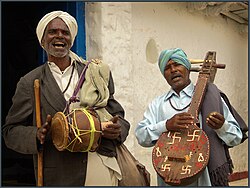
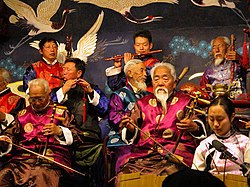
In Asia, traditions vary wildly. China possesses a rich history of instrumental and vocal folk music, while Sri Lanka features specialized dance-related music such as the Wannama (dances depicting animals like the peacock, monkey, and elephant). In India, a clear distinction has historically existed between classical and folk music, though both relied heavily on unwritten transmission.
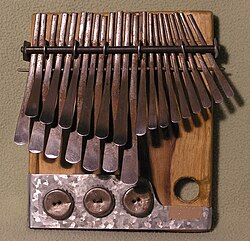
African folk music is renowned for its complex rhythms and unique instruments, such as the lamellophone (also known as the thumb piano or mbira), which serves as a cornerstone for many regional traditions.
Europe and the Americas
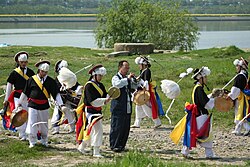
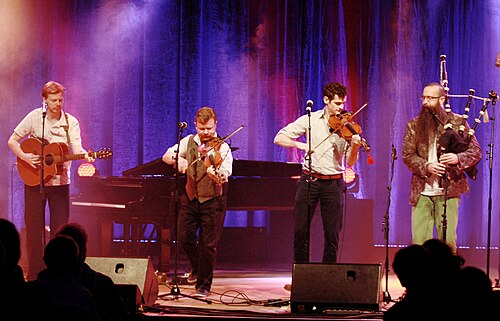
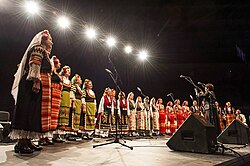
European folk is highly regionalized. Celtic traditional music (found in Ireland, Scotland, and parts of Spain and France) is world-famous for its use of the fiddle, pipes, and harp. Eastern Europe offers the distinct sounds of Balkan music and the soulful traditions of the Baltic states.
![Latvian men's folk ensemble Vilki [lv], performing at the festival of Baltic crafts and warfare Apuolė 854 [lt] in Apuolė Hillfort in August 2009](/images/8a/79/8a79d3d668c1cad9d2341207076ad4bf7ae26264b2499bb4174b550ddcb7c694.jpg)
In North America, folk music evolved through the blending of European immigrant traditions and indigenous sounds. In the United States, the Blue Ridge and Cumberland Mountains became hubs for "old world" English and Scottish ballads, which were meticulously collected by folklorists like Cecil Sharp in the early 20th century.
From Tradition to Contemporary Fusion
The 20th century saw a massive roots revival, where traditional sounds were integrated into modern genres. This led to the birth of several fusion styles:
- Folk Rock and Folk Metal: Blending traditional melodies with electric instruments and heavy percussion.
- Neofolk and Anti-folk: Modern interpretations that either lean into atmospheric traditionalism or react against folk conventions.
- Skiffle: A hybrid style that paved the way for early rock and roll.
Today, folk music is celebrated at massive international festivals, from the Newport Folk Festival in the US to the Cambridge Folk Festival in the UK, ensuring that these ancient sounds remain relevant in a digital age.
Summary of Folk Music Traditions
| Region | Key Characteristics | Notable Instruments/Styles |
|---|---|---|
| Celtic | Strong oral tradition, dance-oriented | Fiddle, Bagpipes, Celtic Harp |
| African | Complex polyrhythms, community-based | Mbira (Thumb Piano), Drums |
| Appalachian | British ballad influence, mountain styles | Banjo, Fiddle |
| Sri Lankan | Ritualistic, animal-mimicking dances | Wannama, Traditional Drums |
| Balkan | Complex time signatures, regional brass | Zurna, Davul |
Frequently Asked Questions


What is the difference between folk music and popular music?
Folk music is traditionally created by a community and passed down orally through generations, often lacking a single known author. Popular music is typically produced for commercial distribution and is written by specific songwriters for a mass audience.
How does the "folk process" work?
The folk process is the way a song evolves as it is passed from person to person. Because it is not written down, singers may change lyrics to fit their own dialect, update stories to reflect current events, or alter the melody, creating multiple variations of the same song.
What are some common instruments used in folk music?
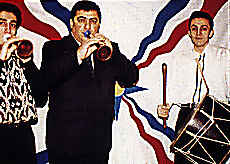
Instruments vary by region but often include the fiddle, banjo, accordion, and various drums. Specialized instruments include the African mbira, the Assyrian zurna and davul, and the Celtic harp.
What is a folk music revival?
A folk revival is a period when traditional music becomes popular again among the general public, often leading to the recording of old songs and the creation of new "contemporary folk" music that blends old styles with modern sensibilities.
Is folk music only about the past?
No. While it is rooted in tradition, folk music continues to evolve. Contemporary folk and fusion genres like folk rock and folk metal show that traditional elements are still used to express modern identities and stories.