Connacht: The Rugged Heart of Western Ireland
Situated on the wild western edge of the island, Connacht is the smallest and least populous of Ireland's four provinces. Known for its dramatic landscapes, deep-rooted Gaelic traditions, and a resilient spirit, Connacht serves as a living museum of Irish history. From the prehistoric monuments of the west coast to the bustling streets of Galway, the province offers a unique blend of ancient heritage and modern vitality.
Geography and Political Divisions
Connacht is composed of five traditional counties: Galway, Leitrim, Mayo, Roscommon, and Sligo. While the province has no official function for local government, it remains an officially recognized subdivision of the Irish state, identified by the ISO 3166-2 code "IE-C."
| County | Population (2022) | Area (km²) | Area (sq mi) |
|---|---|---|---|
| Galway (Gaillimh) | 276,451 | 6,151 | 2,375 |
| Leitrim (Liatroim) | 35,199 | 1,590 | 610 |
| Mayo (Maigh Eo) | 137,231 | 5,586 | 2,157 |
| Roscommon (Ros Comáin) | 70,259 | 2,548 | 984 |
| Sligo (Sligeach) | 70,198 | 1,838 | 710 |
| Total | 589,338 | 17,713 | 6,839 |
Galway stands as the only official city in the province and its largest population center. Other significant towns include Sligo, Castlebar, and Ballina.
The Meaning Behind the Name
The name Connacht is derived from the Connachta, a medieval ruling dynasty. The term means "descendants of Conn," referring to the mythical king Conn of the Hundred Battles. In the Irish language, the province is called Cúige Chonnacht, where cúige translates to "fifth."
Historically, the English spelling "Connaught" was used during British rule, appearing in titles such as the Duke of Connaught and the Connaught Rangers regiment. However, the Gaelic-influenced spelling "Connacht" has become the standard for state bodies and modern usage since the Gaelic revival.
A Journey Through History
Early Gaelic Kingdoms
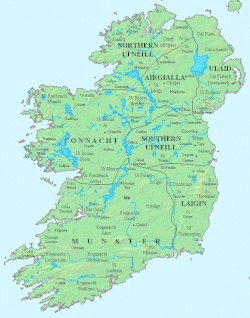
In the early historic era (c. AD 300 – AD 600), the region was known as Cóiced Ol nEchmacht. It was not a single kingdom but a collection of dozens of túatha—small territorial units or kingdoms. These were graded by status, ranging from lords to kings. Notable early groups included the Conmaicne, Dartraige, and Delbhna.
The Rise of the Uí Briúin Aí
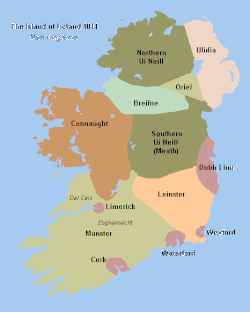
By the ninth century, the province transitioned into a unified kingdom under the Uí Briúin Aí dynasty. The ruling sept (a branch of a family) adopted the surname Ua Conchobair. This era saw the rise of two of Connacht's most powerful leaders, Tairrdelbach Ua Conchobair and his son Ruaidrí Ua Conchobair, both of whom achieved the title of High King of Ireland.
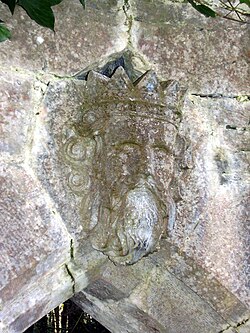
Tairrdelbach was a visionary leader who introduced the first stone castles to Ireland and implemented primogeniture—the right of the firstborn child to inherit the entire estate—which was a departure from traditional Gaelic customs.
Norman Influence and the Tudor Conquest
The Kingdom of Connacht collapsed in the 1230s due to internal dynastic civil wars, paving the way for Hiberno-Norman settlement led by Richard Mór de Burgh. While the Normans established towns like Athenry and Loughrea, a Gaelic resurgence occurred between 1300 and 1360, forcing colonial withdrawal to key urban centers.
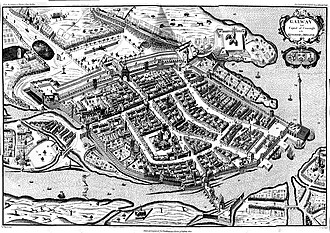
Many Norman families eventually became "Gaelicised," adopting local customs and language. It was not until the late 1500s, during the Tudor conquest of Ireland, that the province was "shired" into the county system used today.
Conflict and the Great Famine
The 17th century was marked by the Confederate and Williamite Wars, culminating in the bloody Battle of Aughrim in 1691. Later, in 1798, French forces landed in Mayo to support the United Irishmen, leading to the short-lived "Republic of Connacht."
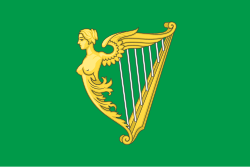
The most devastating period in the province's modern history was the Great Famine of the 1840s. Connacht was the hardest-hit region; the population, which peaked at 1,418,859 in 1841, plummeted over the following century to under 400,000.
Physical Geography and Natural Wonders
Connacht's landscape is a study in contrasts. The inland areas of east Galway, Roscommon, and Sligo feature fertile agricultural land. In contrast, the west coast—including Connemara and Erris—is rugged and mountainous.
- Highest Point: Mweelrea (814 m) in County Mayo.
- Largest Island: Achill Island.
- Largest Lake: Lough Corrib.
- Key Features: The Twelve Bens, Croagh Patrick, and the Killary Harbour fjord.
The Aran Islands remain a major destination, famous for prehistoric forts such as Dún Aonghasa.
Culture, Language, and Sport
The Irish Language
Connacht is the stronghold of the Irish language in the west. It contains several Gaeltacht areas—regions where Irish is the primary community language—particularly in County Galway and County Mayo. Approximately 39.8% of the province's population consider themselves Irish speakers.
Sporting Traditions
Sport is central to community life in Connacht, dominated by the Gaelic Athletic Association (GAA). Gaelic football is immensely popular, with Galway and Mayo being historically dominant forces in the Connacht Senior Football Championship.
In other sports, Connacht Rugby represents the province in the United Rugby Championship and the Rugby Champions Cup, famously winning the Pro12 title in the 2015/2016 season. Association football is also prominent, with Sligo Rovers and Galway United competing at the national level.