Congenital Metabolic Disease Diagnostics: Screening and Confirmation Methods
The early detection of congenital metabolic diseases is critical for improving patient outcomes. In recent years, newborn screening has expanded significantly, allowing healthcare providers to identify dozens of metabolic conditions shortly after birth. The integration of advanced analytics and mass spectrometry—a technique used to identify the chemical constitution of a substance by measuring the mass-to-charge ratio of its ions—has revolutionized this field.
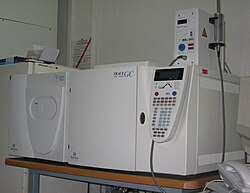
Modern gas chromatography–mass spectrometry (GCMS) technology, paired with integrated analytics, now enables the screening of newborns for over 100 different genetic metabolic disorders. Because these conditions are so diverse, clinicians employ a wide array of diagnostic tools to ensure accuracy.
Key Facts
- Expanded Screening: Modern GCMS technology can screen for more than 100 genetic metabolic disorders.
- Two-Step Process: An abnormal screening result is typically followed by a "definitive test" to confirm the diagnosis.
- Multianalyte Testing: Tandem Mass Spectrometry (MS/MS) allows for the analysis of multiple analytes from a single dried blood spot.
- Clinical Complexity: Some cases remain inconclusive despite biochemical and genetic testing, requiring reliance on the patient's clinical course.
Evolution of Screening Technologies
Over the last sixty years, the methodology for detecting metabolic abnormalities has evolved from simple chemical tests to highly complex molecular analysis. Early methods focused on detecting abnormal metabolites or amino acid patterns in urine and blood.
Traditional and Biochemical Tests
- Ferric chloride test: Used to detect abnormal metabolites in the urine.
- Ninhydrin paper chromatography: Used to identify abnormal amino acid patterns.
- Guthrie test: Designed to detect excessive amounts of specific amino acids in the blood.
Advanced Analytical Methods
Current diagnostics rely heavily on high-precision instrumentation to provide quantitative data. These include:
- Tandem Mass Spectrometry (MS/MS): Used on dried blood spots for multianalyte testing to provide an initial indication of a disorder.
- IEX-Ninhydrin: Post-column derivatization liquid ion chromatography used for quantitative analysis and detecting abnormal amino acid patterns.
- Quantitative Measurement: Precise measurement of amino acids within plasma and urine.
Specialized Diagnostic and Confirmatory Testing
When a screening test indicates a potential disorder, clinicians move toward definitive testing. These tests are more invasive or specific, aiming to confirm the exact nature of the metabolic error.
Confirmatory Laboratory Analysis
Initial indications from MS/MS are often confirmed using the following methods:
- GC/MS: Used for urine organic acid analysis and urine purine and pyrimidine analysis.
- Mass Spectrometry: Used specifically for plasma acylcarnitine analysis.
- Enzyme Assays: Testing the activity of specific enzymes to identify deficiencies.
- DNA Testing: Identifying specific genetic mutations.
Tissue and Cellular Analysis
In some instances, direct sampling of biological tissue is required:
- Tissue Biopsies: Samples may be taken from the liver, muscle, brain, or bone marrow.
- Skin Biopsies: Used for fibroblast cultivation (growing connective tissue cells) to perform specific enzyme testing.
| Test Category | Common Methods | Primary Target/Purpose |
|---|---|---|
| Initial Screening | Tandem Mass Spectrometry (MS/MS), Guthrie Test | Blood spot analysis for multiple analytes |
| Urinary Analysis | GC/MS, Ferric chloride test | Organic acids, purines, and pyrimidines |
| Quantitative Analysis | IEX-Ninhydrin, Plasma measurement | Amino acid patterns and concentrations |
| Definitive Confirmation | DNA testing, Enzyme assays, Biopsies | Genetic confirmation and cellular function |
Clinical Challenges and Interdisciplinary Care
Despite the sophistication of modern diagnostics, challenges remain. A 2015 review noted that some Inborn Errors of Metabolism (IEM) cannot be confirmed or ruled out by biochemical, genetic, or enzymatic testing, leaving physicians to rely on the patient's clinical progression.
Furthermore, a 2021 review highlighted that several neurometabolic disorders share neurochemical mechanisms with those found in ADHD pathophysiology. This overlap emphasizes the need for close collaboration between different health services to prevent clinical overshadowing, where the symptoms of one condition are incorrectly attributed to another.
Frequently Asked Questions
What happens if a newborn screening test returns an abnormal result?
An abnormal result is typically treated as an indication rather than a final diagnosis. It is followed by a "definitive test," such as enzyme assays, GC/MS, or DNA testing, to confirm the suspected disorder.
How many disorders can be detected using modern GCMS technology?
Integrated analytics systems using gas chromatography–mass spectrometry now make it possible to test newborns for over 100 genetic metabolic disorders.
What is the purpose of a skin biopsy in metabolic testing?
Skin biopsies are performed to obtain cells for fibroblast cultivation, which allows specialists to conduct specific enzyme testing to identify metabolic deficiencies.
Can all metabolic disorders be diagnosed through laboratory tests?
No. Some cases exist where biochemical testing, gene sequencing, and enzymatic testing cannot confirm or rule out an Inborn Error of Metabolism (IEM), requiring doctors to monitor the patient's clinical course.
Why is collaboration between health services important for neurometabolic disorders?
Because some neurometabolic disorders share biological mechanisms with ADHD, interdisciplinary collaboration is essential to avoid clinical overshadowing and ensure accurate diagnosis and treatment.