Colorado History: From Ancient Migrations to the Centennial State
The story of Colorado is one of dramatic shifts, from the footsteps of ancient Paleo-American ancestors to the high-stakes era of gold rushes and industrial labor struggles. For thousands of years, the eastern edge of the Rocky Mountains served as a vital migration route for early peoples moving throughout the Americas. Archaeological evidence, such as artifacts found at the Lindenmeier site in Larimer County dating back to approximately 8720 BCE, underscores a human presence in this region that spans at least 13,500 years, and potentially more than 37,000.
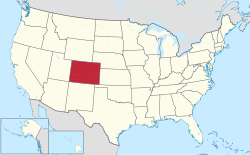
Foundations of a State
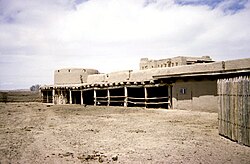
Before it was a state, the land we now call Colorado was home to various American Indian nations. The transition to modern territorial governance was shaped by westward expansion and international conflict. Following the Mexican-American War, the Treaty of Guadalupe Hidalgo in 1848 forced Mexico to relinquish its northern territories, opening the Southern Rocky Mountains to American settlement. Initially, the area was divided among the territories of New Mexico, Utah, Kansas, and Nebraska.
The path to statehood was paved by the discovery of precious metals and the organized efforts of settlers. After existing as part of the Territory of Kansas and the Territory of Jefferson, the region eventually became the Colorado Territory. On August 1, 1876—just 28 days after the United States celebrated its centennial—President Ulysses S. Grant signed Proclamation 230, admitting Colorado as the 38th state. This timing earned the region its enduring nickname, the "Centennial State."
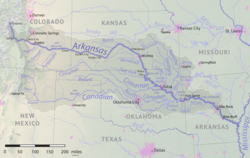
The Era of Gold and Silver
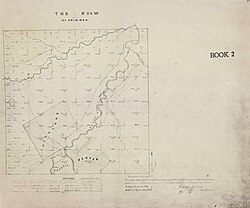
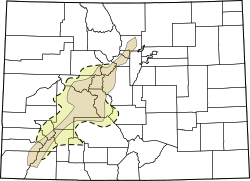
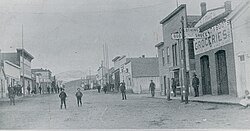
The mid-19th century brought a wave of fortune-seekers to the mountains. The Pike's Peak Gold Rush (1858–1861) saw many arrivals, known as "Fifty-Niners," settling in the Denver area. As mining progressed, significant gold deposits were found in Central City, and by 1879, the discovery of silver in Leadville ignited the Colorado Silver Boom.
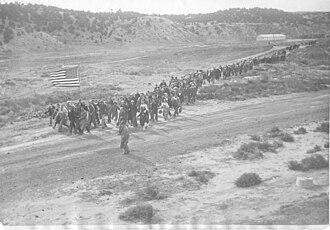
However, the wealth of the earth came with significant human cost. As mines grew deeper and more dangerous, tensions between workers and owners escalated. The 1890s saw the rise of labor unions as miners sought protection, leading to intense conflicts such as the Cripple Creek strike of 1894 and the Colorado Labor Wars of 1903–04. In the coal sectors, the industry was even more perilous; between 1884 and 1914, more than 1,700 workers lost their lives in Colorado's coal mines.
Labor and Social Progress
While industrial life was often characterized by strife, Colorado also emerged as a leader in social reform. In a landmark moment for civil rights, Colorado became the first state in the union to grant universal suffrage through a popular vote when women won the right to vote via referendum on November 7, 1893.
Health and the "World's Sanitarium"
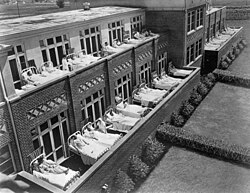
In the late 19th century, Colorado's climate became a medical destination. Because physicians recommended sunny, dry environments for treating tuberculosis (TB), many patients—often called "lungers"—migrated to the state. By the 1880s, Denver had earned the nickname "the World's Sanitarium." The influx was so significant that by 1900, some historians suggest that one-third of the state's population resided there due to tuberculosis.
Summary of Key Historical Eras
| Era/Event | Approximate Date | Key Significance |
|---|---|---|
| Paleo-American Presence | 13,500+ years ago | Early human habitation and migration routes. |
| Pike's Peak Gold Rush | 1858–1861 | Mass migration and the settlement of the Denver area. |
| Colorado Statehood | August 1, 1876 | Admitted as the 38th state (the Centennial State). |
| Women's Suffrage | November 7, 1893 | First state to grant universal suffrage via popular vote. |
| Colorado Silver Boom | 1879 | Discovery of silver in Leadville. |
| Colorado Coalfield War | 1913–1914 | Violent labor strike resulting in 232 deaths. |
Key Facts
- Ancient Roots: Human presence in Colorado dates back at least 13,500 years.
- Statehood: Colorado joined the Union on August 1, 1876, as the 38th state.
- Suffrage Pioneer: Colorado was the first state to grant women the right to vote through a popular referendum.
- Mining Impact: The state experienced major booms in both gold (1858) and silver (1879).
- Medical History: Denver was known as the "World's Sanitarium" due to its popularity for tuberculosis patients.
Frequently Asked Questions
Why is Colorado called the Centennial State?
Colorado was admitted to the Union in 1876, which was the centennial (100th anniversary) of the United States.
What was the significance of the 1893 referendum in Colorado?
The referendum allowed women to win the right to vote, making Colorado the first state in the U.S. to grant universal suffrage through a popular vote.
Why did so many people move to Colorado in the 1800s?
The primary drivers were the discovery of gold and silver during the various mining booms, as well as the dry climate which was sought after by those suffering from tuberculosis.
How dangerous was the mining industry in early Colorado?
Mining was extremely hazardous; in the coal industry alone, over 1,700 workers died between 1884 and 1914.
What was the "World's Sanitarium"?
This was a nickname given to Denver in the 1880s because of the high number of tuberculosis patients who moved to the area for its dry, sunny climate.