Colonia Department
Located in the southwestern region of Uruguay, the Colonia Department is a territory defined by its rich colonial history, strategic geography, and a robust agricultural economy. Established in 1816, it serves as a vital link between Uruguay and its neighbors, blending rural charm with industrial significance.
The department's capital, Colonia del Sacramento, holds the distinction of being the second-oldest city in the country. Due to its historical importance, parts of the capital are recognized as a World Heritage Site, drawing visitors from across the globe.
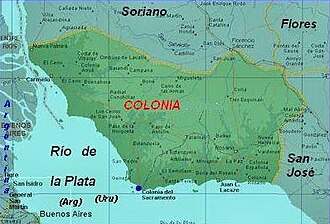
Key Facts
- Capital: Colonia del Sacramento
- Established: 1816
- Total Area: 6,106 km²
- Population: 135,717 (2023 census)
- Demonym: colonienses
- Average Annual Temperature: 20.4 °C
Geography and Climate
Colonia is situated in the southwestern corner of Uruguay, characterized by an elevation of approximately 71 meters. Its climate is temperate, with an annual average temperature of 20.4 °C (68.7 °F). Seasonal variations are moderate, with winter temperatures averaging 9 °C (48.2 °F) and summer temperatures reaching an average of 27 °C (80.6 °F).
Economy and Industry
The economy of the Colonia Department is a diverse mix of traditional agriculture, large-scale manufacturing, and international tourism.
Dairy Production
The region is traditionally associated with dairy production. It hosts several prominent dairy companies, including Los Nietitos, Colonial, and La Positiva, alongside various smaller local producers.
Industrial Manufacturing
Colonia del Sacramento is home to one of the three largest PepsiCo plants worldwide. This facility employs over 2,000 people and serves the Latin American import market. Operating under special economic zone legislation, the plant saw a $65 million enlargement investment approved as of November 2019.
Tourism
Because of its proximity to Buenos Aires, Argentina, the department serves as the primary entry point for Argentine tourists visiting Uruguay. The appeal is further enhanced by the historical architecture of the capital's World Heritage Site.
Demographics and Urban Centers
As of the 2023 census, the total population of the department is 135,717, with a population density of 22.23 people per square kilometer. The ethnic composition is predominantly White (95.8%), followed by Black (2.9%), Indigenous (2.5%), and Asian (0.2%) populations.
The population is distributed between several urban centers and a rural community. According to 2011 data, the rural population numbered 11,471.
| City / Town | Population |
|---|---|
| Colonia del Sacramento | 29,231 |
| Carmelo | 18,041 |
| Juan Lacaze | 12,816 |
| Nueva Helvecia | 10,630 |
| Rosario | 10,085 |
| Nueva Palmira | 9,857 |
Frequently Asked Questions
What is the capital of the Colonia Department?
The capital is Colonia del Sacramento, which is the second-oldest city in Uruguay.
What are the primary economic drivers of the region?
The economy is driven by dairy production, large-scale industrial manufacturing (notably the PepsiCo plant), and tourism from Argentina.
What is the climate like in Colonia?
The region has an annual average temperature of 20.4 °C, with winters averaging 9 °C and summers averaging 27 °C.
Is Colonia a tourist destination?
Yes, it is a major entry point for tourists from Buenos Aires, largely due to the capital's status as a World Heritage Site.
What is the ethnic makeup of the population?
The population is approximately 95.8% White, 2.9% Black, 2.5% Indigenous, and 0.2% Asian.