The Enchanting Corkscrew Vine: A Guide to Cochliasanthus caracalla
Often described as a botanical marvel, Cochliasanthus caracalla is a stunning leguminous plant—meaning it belongs to the pea family—that captures the imagination with its extraordinary floral displays. Historically, the plant has commanded great admiration; Thomas Jefferson famously referred to it as "the most beautiful bean in the world." Known by many common names, including the corkscrew vine, snail vine, snail creeper, snailflower, or snail bean, this plant is a true standout in any tropical garden.
The plant's name, caracalla, is actually a corruption of the Portuguese word caracol, which translates to "snail." This etymology reflects the plant's most striking feature: its uniquely curled, spiral-shaped blossoms.
Botanical Profile and Origins
Cochliasanthus caracalla is the sole member of its genus. It is a perennial vine—a plant that lives for more than two years—when grown in climates that are free from frost. Originating in the tropical regions of Central and South America, it is a member of the Fabaceae family, specifically within the subfamily Faboideae.
While it was formerly classified under the genus Vigna, modern botanical classification places it in its own distinct genus. In its native range, such as Argentina, the plant relies on a variety of pollinators, including carpenter bees and bumblebees, to thrive.
Distinguishing the Corkscrew Vine from the Snail Vine
One of the most common challenges for gardeners is distinguishing C. caracalla from Sigmoidotropis speciosa. Both plants are frequently sold under "snail-" related common names, which can lead to significant confusion. While they may look similar through their foliage alone, they are two very different species.
The primary difference lies in the flowers. The Sigmoidotropis speciosa (often called Snail Vine) produces non-fragrant, purple flowers that possess a snail-shell shape. In contrast, the Cochliasanthus caracalla (the true Corkscrew Vine) produces highly fragrant, multicolored flowers with a distinct corkscrew or nautilus-shell shape. Because the differences are so subtle in the leaves, gardeners have sometimes grown them side-by-side for years, only realizing they were different species once the plants finally bloomed.
Exquisite Floral Characteristics
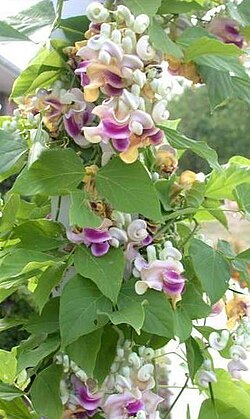
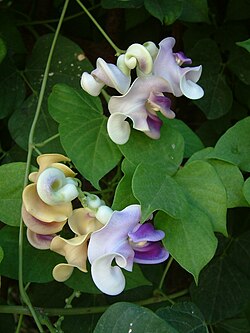
The flowers of the corkscrew vine are a visual masterpiece. They typically appear in clusters reaching up to twelve inches in length. The color palette is dynamic: the blossoms begin as white with purple streaks, which gradually fade to cream and eventually to yellow as they age. The immature blossoms are particularly striking, appearing as multicolored spirals or corkscrews.
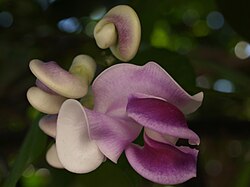
Beyond their looks, the flowers are incredibly aromatic. Their scent has been compared to jasmine, magnolia, and Chinese wisteria, and the fragrance is powerful enough to be detected from as far as 15 feet away. Interestingly, the plant also utilizes ants for pollination; the white buds produce nectar that attracts these insects to the flowers.
Cultivation and Growing Requirements
To successfully grow the corkscrew vine, gardeners should mimic its tropical origins. This vine thrives in high heat and humidity and prefers locations that receive full sun. It requires consistently damp soil to flourish. In terms of hardiness, it is best suited for USDA zones 9 and above. If you live in a colder climate, you can still enjoy this plant by growing it in a pot and moving it indoors to overwinter.
Sowing, Harvesting, and Care
If you wish to grow the vine from seed, timing and preparation are key. It is recommended to sow seeds in the spring once the danger of frost has passed. For best results, soak the seeds overnight in warm water before planting. When sowing, place seeds two to three inches apart and cover them with approximately half an inch of fine soil. The soil should be kept evenly moist, and seedlings should be moved outdoors only when spring temperatures remain above 50°F.
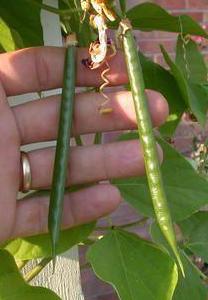
As the plant matures, it can reach a height of twenty feet. In late summer or autumn, the plant typically blooms. If pollination is successful, seedpods will develop, resembling pea pods. If you intend to cultivate the plant further, it is best to remove the pods while they are still green to protect them from winter temperatures. While the seeds are technically beans and could be edible, please note that parts of the true corkscrew plant might be poisonous.
Key Facts
- Scientific Name: Cochliasanthus caracalla
- Common Names: Corkscrew vine, snail vine, snailflower, snail bean
- Fragrance: Highly fragrant (reminiscent of jasmine and magnolia)
- Hardiness: Zones 9 and above
- Max Height: Approximately 20 feet
- Pollinators: Bumblebees, carpenter bees, and ants
| Feature | Description |
|---|---|
| Flower Shape | Spiral, corkscrew, or nautilus-shell shaped |
| Flower Color | White with purple streaks, fading to cream and yellow |
| Sun Requirement | Full sun |
| Soil Preference | Consistently damp |
| Growth Habit | Perennial vine |
Frequently Asked Questions
Is the corkscrew vine an invasive species?
No, the Cochliasanthus caracalla is not considered an invasive plant.
How can I tell the difference between the Corkscrew Vine and the Snail Vine?
The most reliable way to tell them apart is by their scent and flower color. The Corkscrew Vine is highly fragrant and multicolored, whereas the Snail Vine (Sigmoidotropis speciosa) is non-fragrant and has purple flowers.
Can I grow this vine in a cold climate?
Yes, but it is less frost-tolerant than the Snail Vine. In colder zones, you can grow it in a container and move it indoors to protect it during the winter.
Are the seeds safe to eat?
While the seeds are technically beans and could be edible, caution is advised as parts of the true corkscrew plant might be poisonous.
How long does it take for seeds to sprout?
Depending on the weather conditions, seedlings typically sprout within one to three weeks after sowing.