Club Atlético Huracán: The Legacy of the Globo
Founded in the heart of Buenos Aires, Club Atlético Huracán is one of Argentina's most storied football institutions. Known affectionately as the Globo (Balloon), the club has spent over a century carving out a reputation for both tactical brilliance and a deep connection to its community in the Nueva Pompeya neighborhood.
From its humble beginnings as a youth team to its golden eras in the 1920s and 1970s, Huracán has remained a symbol of passion and resilience in the Argentine Primera División.
Key Facts
- Founded: November 1, 1908, in Nueva Pompeya, Buenos Aires.
- Nicknames: Globo (Balloon), Quemeros (Burners), and Los Albirrojos (The red and whites).
- Major Honors: 13 domestic titles, including five Primera División championships.
- Home Ground: Estadio Tomás Adolfo Ducó, with a capacity of 48,340.
- Historical Rival: San Lorenzo de Almagro.
Origins and the Influence of Jorge Newbery
The club's roots trace back to May 25, 1903, when a group of local boys formed a team called Los Chiquitos de Pompeya. After a brief period as Verde esperanza y no pierde, the institution was officially established as Club Atlético Huracán on November 1, 1908, with José Laguna serving as the first president.
The club's identity is inextricably linked to Jorge Newbery, an Argentine aviation pioneer. The club's emblem—a balloon—was a tribute to the "Huracán" balloon Newbery piloted in 1909. Newbery not only granted permission for the club to use the image but also helped secure the lands on Arena street and facilitated the club's affiliation with the Argentine Football Association.
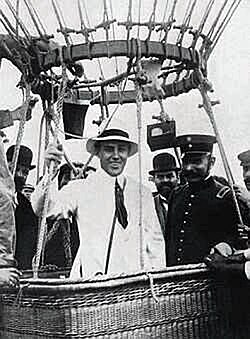
The nickname Quemeros (the Burners) stems from the location of the stadium, which was built on land formerly used for burning garbage.
The Golden Age of the 1920s
Huracán made its top-flight debut on March 29, 1914, defeating Ferro Carril Oeste 4–2. This marked the beginning of a dominant era. The club secured its first official title with the Copa Estímulo in 1920, followed by a surge of league success.
Between 1921 and 1928, Huracán captured four Primera División titles. The 1921 campaign was particularly dominant, featuring 14 wins and only one loss. The club continued its success in 1922 and 1925, and capped this era with a fourth title in 1928. During this period, Guillermo Stábile emerged as a legendary figure, becoming the club's top scorer before moving to Genoa in 1930.
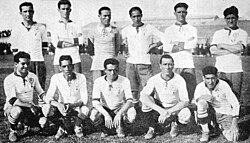
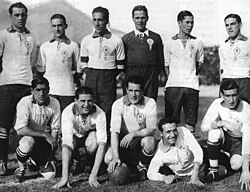
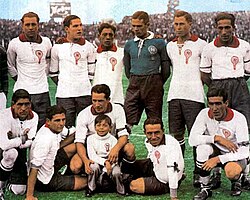
Mid-Century Transitions and the Menotti Revolution
The mid-20th century saw the club develop its infrastructure. Under President Tomás Ducó, the club acquired the land for its current stadium, which was completed in 1947. This era also saw the debuts of global icons Alfredo Di Stéfano (1946) and Adolfo Pedernera (1948).
The most significant tactical shift occurred in 1971 with the hiring of coach César Menotti. Menotti implemented a revolutionary style of play that culminated in the 1973 Metropolitano championship. This squad, featuring stars like René Houseman and Carlos Babington, is widely regarded as one of the greatest teams in Argentine history.
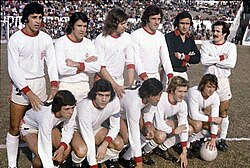
The success of the Menotti era extended into the mid-70s, with the team reaching the 1974 Copa Libertadores semifinals and producing future World Cup winners such as Osvaldo Ardiles and Héctor Baley.
Modern Era: Struggles and Resurgence
The latter part of the 20th century was marked by volatility, with several relegations to the Primera B Nacional in 1986, 1999, and 2003. However, the club consistently fought its way back to the top flight, often led by club idol Carlos Babington.
A recent peak occurred in 2014 when Huracán ended a 41-year trophy drought by winning the Copa Argentina, defeating Rosario Central in a penalty shootout. This was followed quickly by a victory over River Plate to claim the Supercopa Argentina in April 2015.

Club Overview and Records
The following table summarizes the club's core identity and achievements.
| Category | Details |
|---|---|
| Full Name | Club Atlético Huracán |
| Founded | November 1, 1908 |
| Stadium | Estadio Tomás Adolfo Ducó (48,340 capacity) |
| Major Titles | 5 Primera División, 1 Copa Argentina, 1 Supercopa Argentina |
| All-Time Top Scorer | Herminio Masantonio (265 goals) |
| Most Appearances | Jorge Alberti (424 matches) |
Frequently Asked Questions
Why is Huracán nicknamed "Globo"?
The nickname "Globo" (Balloon) is a tribute to the "Huracán" balloon flown by aviation pioneer Jorge Newbery in 1909, which inspired the club's emblem.
Who is the most successful coach in the club's history?
César Menotti is widely considered the most influential coach, leading the team to the 1973 Metropolitano title with a squad regarded as one of Argentina's finest.
What is the significance of the name "Quemeros"?
Supporters are called "Quemeros" (the Burners) because the club's stadium is located in an area that was previously used for burning garbage.
When did Huracán win its most recent major titles?
The club won the Copa Argentina in November 2014 and the Supercopa Argentina in April 2015.
Who holds the record for the most goals scored for the club?
Herminio Masantonio holds the record for the most goals scored, with a total of 265 goals between 1931 and 1943.