Cipriano Reyes: The Labor Leader Who Shaped Peronism
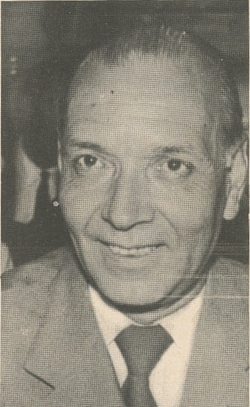
The history of modern Argentina is inextricably linked to the rise of Peronism, a political movement that redefined the relationship between the state and the working class. At the heart of this transformation was Cipriano Reyes, a formidable labor union leader whose early alliance with Juan Domingo Perón helped catalyze one of the most significant mobilizations in Argentine history.
Born on August 7, 1906, in the city of Lincoln to Uruguayan circus workers, Reyes possessed a deep early interest in poetry and history. However, economic necessity forced him into the workforce at age 14, where he began working in a meat processing plant. This experience served as the foundation for his lifelong commitment to labor organization.
Rise in the Labor Movement
Reyes quickly became a pivotal figure in the meat industry, organizing some of the first unions for workers in the sector. By 1943, he had ascended to the leadership of the Meat Industry Workers Federation, displacing José Peter, a Communist leader. This shift was significant, as labor unions at the time were largely dominated by anarchists and Communist activists.
During the 1943 Argentine Revolution, Reyes forged strategic alliances with military personnel and other union leaders. Most notably, he developed a close relationship with Juan Domingo Perón, who was then serving as the Secretary of Labour of Argentina.
The Mobilization of October 17
The defining moment of Reyes's political career occurred in 1945. When Perón was incarcerated, Reyes organized a massive mobilization of workers to demand his release. This event, taking place on October 17, 1945, is now recognized as the origin of the Peronist movement and is commemorated as Loyalty Day.
Following Perón's release, Reyes founded the Labour Party to provide organized political support for Perón's presidential bid. This effort proved successful; Perón won the election on February 24, 1946, and Reyes was elected as a National Deputy representing the province of Buenos Aires.
Conflict and Persecution
The alliance between the two men fractured shortly after the election. On May 23, 1946, Perón decided to dissolve all the parties that had supported his candidacy, including the Labour Party, in an effort to establish a single political party under his sole leadership. Reyes refused to dissolve his party, leading to a bitter conflict.
The fallout was violent. Reyes survived an assassination attempt in a taxi that resulted in the death of the driver and left Reyes seriously injured. By September 1948, the government accused Reyes of plotting to assassinate Perón and his wife, Eva, at the Colón Theatre. Reyes was subsequently arrested and tortured.
The tragedy extended to his family; while Reyes was imprisoned, two of his brothers were assassinated in La Plata. The government denied involvement, attributing the murders to a dispute between Reyes and his former rival, José Peter.
Later Years and Legacy
Reyes was finally released following the overthrow of Perón in 1955. In his final political chapter, he attempted to reorganize the Labour Party and served as a delegate to the constitutional convention tasked with repealing the Peronist Constitution of 1949. He passed away on August 1, 2001.
Key Facts
- Role: Argentine politician and leader of the Meat Industry Workers Federation.
- Major Achievement: Organized the October 17, 1945, mobilization that launched the Peronist movement.
- Political Contribution: Founded the Labour Party to support Juan Domingo Perón's 1946 presidency.
- Conflict: Fell out with Perón after the government demanded the dissolution of supporting parties in 1946.
- Lifespan: August 7, 1906 – August 1, 2001.
| Period/Date | Key Event | Outcome |
|---|---|---|
| 1943 | Leadership of Meat Industry Workers Federation | Displaced Communist leadership in the union. |
| October 17, 1945 | Mass mobilization for Perón | Established "Loyalty Day" and the Peronist movement. |
| February 24, 1946 | Presidential Election | Perón won; Reyes elected National Deputy. |
| May 23, 1946 | Dissolution of supporting parties | Reyes refused to dissolve the Labour Party, leading to conflict. |
| September 1948 | Assassination plot accusation | Reyes arrested and tortured by the government. |
| Post-1955 | Overthrow of Perón | Reyes released and joined the constitutional convention. |
Frequently Asked Questions
Who was Cipriano Reyes?
Cipriano Reyes was an Argentine labor union leader and politician who led the Meat Industry Workers Federation and founded the Labour Party.
What was Reyes's role in the events of October 17, 1945?
Reyes was a key organizer of the massive worker mobilization that demanded the release of Juan Domingo Perón from prison, an event that became the foundation of Peronism.
Why did Cipriano Reyes and Juan Domingo Perón have a falling out?
The conflict began when Perón ordered the dissolution of all parties that supported his candidacy, including the Labour Party, to create a single party under his own leadership. Reyes refused to comply.
What happened to Reyes during Perón's presidency?
Reyes survived an assassination attempt, was later accused of plotting to kill Perón and Eva Perón, and was imprisoned and tortured. During this time, two of his brothers were also murdered.
What did Reyes do after Perón was overthrown in 1955?
After his release from prison, he attempted to reorganize the Labour Party and served as a delegate to the constitutional convention to repeal the 1949 Peronist Constitution.