Understanding the Names and Identities of China
The name "China" carries a profound historical weight, encompassing thousands of years of civilization, shifting dynasties, and evolving political structures. To understand China is to understand a complex tapestry of names—some used by the people living within its borders, and others bestowed by travelers, cartographers, and neighboring empires. From the ancient concept of the Middle Kingdom to the modern political entities of today, the terminology used to describe this region reflects its central role in global history.
This article explores the linguistic diversity, historical nomenclature, and modern official titles that define the identity of China.
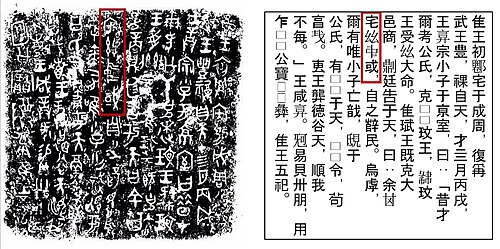
Key Facts
- Zhōngguó (中國): The most common Chinese name, literally meaning "Middle" or "Central State."
- Zhōnghuá (中華): A common name often used to refer to the Chinese nation or culture.
- Han (漢): A term frequently used to refer to the Chinese people and their culture.
- Historical Names: Western records have historically used terms like Cathay, Serica, and Sina to refer to the region.
- Modern Entities: Current political designations include the People's Republic of China (PRC) and the Republic of China (ROC).
The Core Identities: Zhongguo and Zhonghua
In the Chinese language, there are several ways to refer to the country, depending on whether the focus is on the state, the culture, or the people. The most prevalent term is Zhōngguó (Traditional: 中國; Simplified: 中国). This name translates literally to "Middle" or "Central State," reflecting a historical worldview of the region as a central civilization.
Another significant term is Zhōnghuá (Traditional: 中華; Simplified: 中华). While similar in meaning, Zhonghua is often used in a more cultural or nationalistic context, frequently appearing in the names of modern political states to emphasize the continuity of Chinese civilization.
!["Middle Kingdom's Common Speech" (Medii Regni Communis Loquela, 中國官話; Zhongguo Guanhua), the frontispiece of an early Chinese grammar published by Étienne Fourmont in 1742[38]](/images/32/f9/32f908611110ebbf5d9d9ad5e9a23fcf9cabbf92bd4cbf7fab084a68424ce6f2.png)
Linguistic Variations
Because China is home to a vast array of languages and dialects, the pronunciation and romanization of these names vary significantly. For example, while Standard Mandarin uses Zhōngguó, the Cantonese (Yue) dialect uses Zunggwok, and Hokkien (Southern Min) uses Tiong-kok. These variations highlight the linguistic richness of the Sinitic language family.
Cultural and Ethnic Identifiers: Han and Tang
Beyond the names of the state, certain terms define the people and the historical legacy of the region. The term Han (漢) is perhaps the most important ethnic identifier, used to describe the majority ethnic group and the culture they have shaped. Historically, the Han Dynasty was a period of immense influence that left a lasting mark on the identity of the people.
Similarly, the name Tang (唐) holds deep historical significance. While it refers to the Tang Dynasty, the term has been used in various ways across East Asia to denote things related to China, such as in the Vietnamese name for the dynasty, Đường.
Historical Perspectives and Western Nomenclature
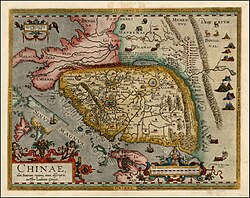
For centuries, the Western world attempted to name the vast territories of East Asia, often using different terms based on the information available to explorers and scholars. These names frequently changed as geographical knowledge expanded.
The Evolution of Western Names
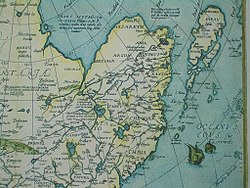
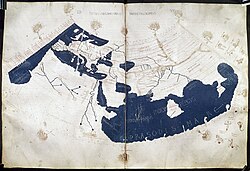
Early records and maps show a variety of names used to describe the region:
- Cathay (Kitay): A term often used in medieval Europe to refer to northern China.
- Serica/Seres: Derived from ancient Greek and Roman sources, often associated with the land of silk.
- Sinae/Sina: Other historical Latinate variations used in early geographical texts.
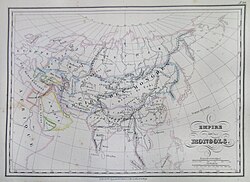
- Mangi: A term appearing in various historical maps, such as a 1837 map of the Mongol Empire.
Modern Political Designations
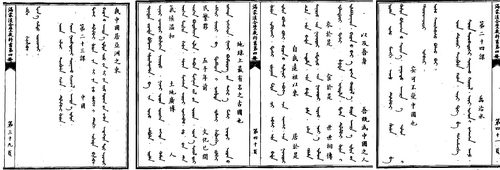
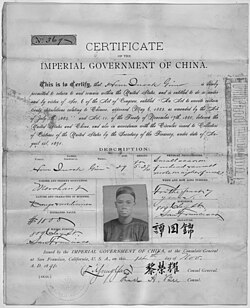
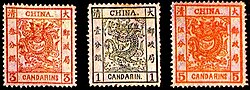
In the modern era, the term "China" is used to refer to specific political entities. The two primary designations are the People's Republic of China (PRC) and the Republic of China (ROC). These names are expressed in various ways across different languages, including Tibetan, Mongolian, Uyghur, Manchu, and many others.
The People's Republic of China (PRC)
The official name is Zhōnghuá Rénmín Gònghéguó (Simplified: 中华人民共和国), which translates to "Central State People's Country." This name is used by the government in mainland China.
The Republic of China (ROC) and Taiwan
The Republic of China (Traditional: 中華民國; Simplified: 中华民国) is the official name used by the government in Taiwan. In international contexts, such as sports or specific diplomatic settings, the term Chinese Taipei (中華台北) is often employed. The island itself is known as Taiwan (臺灣/台湾), which literally means "Terraced Bay."
Historically, the island was also known by the Portuguese name Formosa, meaning "beautiful island."
Summary of Key Names and Terms
| Term (English) | Traditional Chinese | Simplified Chinese | Pinyin | Literal Meaning |
|---|---|---|---|---|
| Zhongguo | 中國 | 中国 | Zhōngguó | Middle/Central State |
| Zhonghua | 中華 | 中华 | Zhōnghuá | Central Flower/Splendor |
| Han | 漢 | 汉 | Hàn | (Ethnic/Dynastic identifier) |
| PRC | 中華人民共和國 | 中华人民共和国 | Zhōnghuá Rénmín Gònghéguó | Central State People's Country |
| ROC | 中華民國 | 中华民国 | Zhōnghuá Mínguó | (Republic of China) |
| Taiwan | 臺灣 | 台湾 | Táiwān | Terraced Bay |
Frequently Asked Questions
What does the name "Zhongguo" actually mean?
The name Zhōngguó (中國) literally translates to "Middle Kingdom" or "Central State." This reflects a historical perspective of the region being at the center of civilization.
What is the difference between "China" and "Han"?
China (or Zhongguo/Zhonghua) generally refers to the state or the civilization, whereas Han (漢) refers specifically to the majority ethnic group and the cultural identity associated with the Han Dynasty.
How did Westerners refer to China in the past?
Historically, Westerners used various names such as Cathay (often for northern regions), Serica (the land of silk), and Sina. These names evolved as geographical knowledge of the region improved.
What are the two main modern political entities referred to as China?
The two main entities are the People's Republic of China (PRC), located in mainland China, and the Republic of China (ROC), located in Taiwan.
What is the meaning of the name "Taiwan"?
The name Taiwan (臺灣) is interpreted to mean "Terraced Bay." Historically, it was also known by the Portuguese name Formosa, which means "beautiful island."