Chickasaw Nation: History, Resilience, and Cultural Heritage
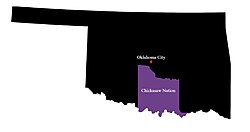
The Chickasaw (known in their own language as Chikashsha) are a resilient Indigenous people with a deep history rooted in the Southeastern United States. Once powerful inhabitants of regions now known as Mississippi, Alabama, and Tennessee, the Chickasaw have navigated centuries of conflict, diplomacy, and forced migration to establish a thriving sovereign nation in modern-day Oklahoma.
Closely related to the Choctaw, Chakchiuma, Alabama, Koasati, Muskogee, and Seminole peoples, the Chickasaw are recognized for their military prowess and diplomatic skill. From their early encounters with European explorers to their current status as a modern tribal government, their journey is one of endurance and adaptation.
Key Facts
- Current Population: 70,096 (as of 2020), with 32,579 residing in Oklahoma.
- Ancestral Lands: Primarily Mississippi, Alabama, and Tennessee.
- Current Territory: Oklahoma.
- Languages: English and Chickasaw.
- Religion: A blend of traditional tribal religion and Christianity (Protestantism).
- Key Historical Event: The forced removal via the Trail of Tears following the Treaty of Pontotoc Creek.
Early History and Military Alliances
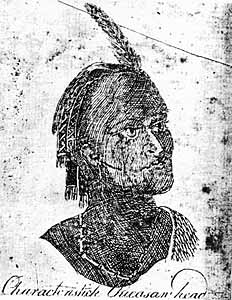
The Chickasaw were historically known for their strength. Tribal traditions suggest they once fielded 10,000 warriors, while 17th-century estimates by Louis Hennepin placed the population at roughly 20,000 people. Their strategic location made them key players in regional trade and warfare.
Following the American Revolutionary War, the Chickasaw formed a strategic alliance with the newly formed United States. Under the leadership of Chief Piomingo, they fought alongside General Anthony Wayne against the Northwest Indians. This alliance culminated in the Battle of Fallen Timbers on August 20, 1794, where the Shawnee and their allies were defeated.
The Colbert Legacy and Tribal Governance
In the 19th century, the Colbert family emerged as pivotal figures in Chickasaw diplomacy. William "Chooshemataha" Colbert served with General Andrew Jackson during the Creek Wars (1813–14) and held a commission from President George Washington. His brothers, Levi and George Colbert, also served the U.S. as military allies and interpreters.
The Chickasaw government operated on a decentralized system where a council of chiefs representing various clans and villages sought broad consensus for major decisions. While the U.S. government often designated a "principal chief" for simplicity—such as Levi Colbert—the actual authority remained with the council. This tension was evident in 1832, when over 40 chiefs signed a letter to President Andrew Jackson protesting treaty negotiations conducted by General John Coffee.
Removal and the Trail of Tears
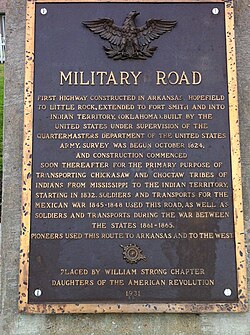
The 1830s marked a period of profound upheaval. After Mississippi declared jurisdiction over tribal lands and outlawed self-governance, the Chickasaw were pressured to relocate. On October 20, 1832, the tribe signed the Treaty of Pontotoc Creek, ceding 6,422,400 acres of land in Mississippi.
Unlike many other tribes, the Chickasaw negotiated for financial compensation rather than simple land grants, securing $3 million from the U.S. government. In 1836, after internal debate, they used $530,000 of these funds to purchase land in Indian Territory from the Choctaw. The subsequent forced migration, known as the Trail of Tears, began in 1837. George Colbert, a bilingual negotiator, died in Choctaw territory at Fort Towson before ever reaching the Chickasaw's new home, "Oka Homa" (red waters).
Population Trends and Modern Recovery
The Chickasaw population suffered significant declines during the 18th and 19th centuries due to disease, war, and the trauma of removal. By 1836, reports estimated the population at approximately 5,400. Throughout the late 19th century, numbers remained stagnant around 6,000.
However, the 20th and 21st centuries have seen a dramatic rebound. By 2020, the population grew to over 70,000, reflecting a period of cultural and demographic revitalization.
Cultural Preservation and Repatriation
Despite their relocation to Oklahoma, the Chickasaw maintain a deep connection to their ancestral homelands. This bond is evidenced by ongoing repatriation efforts. In 2021, the Mississippi Department of Archives and History (MDAH) repatriated 403 Chickasaw ancestors to the tribe, acknowledging the importance of reconciling the past and returning ancestral remains to their rightful people.
Summary of Major Treaties
The legal relationship between the Chickasaw Nation and the United States was defined by a series of treaties that gradually shifted from protection to land cession and removal.
| Year | Treaty | Main Purpose | Land Ceded |
|---|---|---|---|
| 1786 | Treaty of Hopewell | Peace, protection, and boundary definition | N/A |
| 1805 | Treaty of 1805 | Elimination of debt to U.S. merchants | Not specified |
| 1818 | Treaty of 1818 | Land cession and boundary definition | Not specified |
| 1832 | Treaty of Pontotoc | Removal and monetary compensation | 6,422,400 acres |
Notable Chickasaw Figures
The Chickasaw people have made significant contributions across various fields, from politics and science to the arts:
- Bill Anoatubby: Governor of the Chickasaw Nation since 1987.
- John Herrington: The first Native American in space.
- Tom Cole: U.S. Congressman from Oklahoma.
- Jerod Impichchaachaaha' Tate: Renowned composer and pianist.
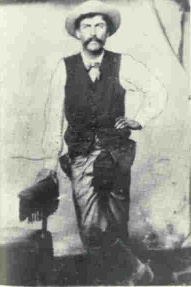
- Fred Waite: Statesman and cowboy.
Frequently Asked Questions
Where is the Chickasaw Nation located today?
The Chickasaw Nation is currently headquartered in Oklahoma, having relocated from their ancestral lands in Mississippi, Alabama, and Tennessee.
What was the Treaty of Pontotoc Creek?
Signed in 1832, this treaty forced the Chickasaw to cede over 6.4 million acres of land in Mississippi in exchange for $3 million, leading to their removal to Indian Territory.
How did the Chickasaw differ from other tribes during removal?
Unlike many other tribes who received land grants in exchange for their territory, the Chickasaw insisted on financial compensation, which they later used to purchase land from the Choctaw.
Who were the Colberts?
The Colberts were a prominent family of Chickasaw leaders and diplomats, including William, Levi, and George, who served as military allies, interpreters, and negotiators with the United States government.
What is the current population of the Chickasaw people?
As of 2020, the total population is 70,096, with 32,579 of those individuals living in Oklahoma.