Cecil Rhodes: The Mining Magnate and Architect of Empire
Cecil Rhodes was a towering and controversial figure of the late 19th century, blending business acumen with political ambition to reshape the map of Southern Africa. A British mining magnate and politician, Rhodes served as the 7th Prime Minister of the Cape Colony and founded the territories that would eventually become Zimbabwe and Zambia. His life was defined by a relentless pursuit of power, a vision of British imperial expansion, and the creation of one of the world's most enduring educational legacies.
Born into a modest clerical family in England, Rhodes rose from a struggling youth with poor health to become the dominant force in the global diamond industry. His influence extended far beyond commerce, as he utilized his wealth to drive political agendas and territorial acquisitions under the banner of the British Empire.
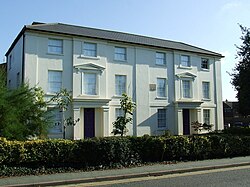
Early Life and the Move to South Africa
Cecil John Rhodes was born on July 5, 1853, in Bishop's Stortford, Hertfordshire, England. He was the fourth son of the Reverend Francis William Rhodes and Louisa Peacock, who came from a prominent banking family in Lincolnshire.
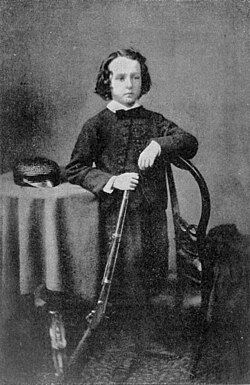
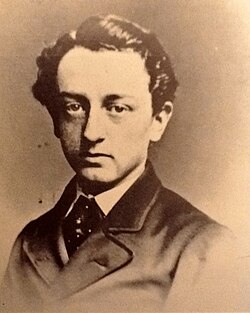
At the age of sixteen, Rhodes was sent to South Africa by his family, who hoped the warmer climate would improve his fragile health. This move proved pivotal; by 1871, at age eighteen, he entered the diamond trade in Kimberley. He began by supervising his brother's claims and speculating on the market, quickly demonstrating a keen instinct for business.
The Oxford Interlude
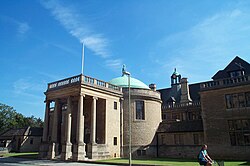
In 1873, Rhodes briefly returned to England to attend Oriel College, Oxford. However, his academic pursuits were interrupted by the death of his mother and a severe chill contracted while rowing. On medical advice, he returned to the dry climate of Kimberley in 1874, though he would return to Oxford again in 1876.
The Rise of De Beers and Diamond Monopoly
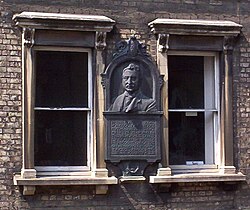
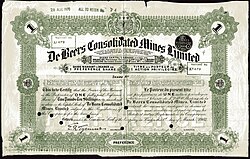
Upon his return to South Africa, Rhodes began a systematic campaign to consolidate the diamond mines of Kimberley. With financial backing from Rothschild & Co, he bought out competitors and consolidated holdings to eliminate competition.
In 1888, this effort culminated in the founding of De Beers, a company that would eventually secure a near-complete monopoly over the world diamond market. This financial empire provided Rhodes with the immense wealth necessary to fund his political and imperial ambitions.
Political Power and the Cape Colony
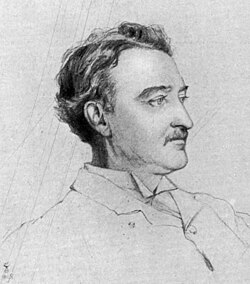
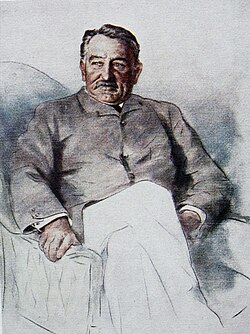
Rhodes entered the Cape Parliament in 1881 at the age of 27. His political ascent was rapid, and by July 17, 1890, he became the Prime Minister of the Cape Colony.
His tenure as Prime Minister was marked by policies that marginalized the indigenous population. Through the Glen Grey Act, Rhodes used eminent domain to seize land from black Africans. Furthermore, the Franchise and Ballot Act tripled the wealth requirements for voting, effectively barring black citizens from participating in elections.
Imperial Expansion and the Vision of Rhodesia
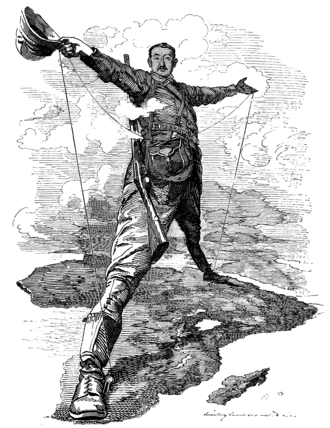
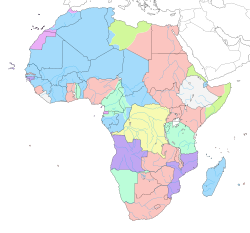
Rhodes envisioned a continuous stretch of British territory spanning the continent, a dream known as the Cape to Cairo project. To achieve this, he sought to expand British influence northward from the Cape.
The British South Africa Company
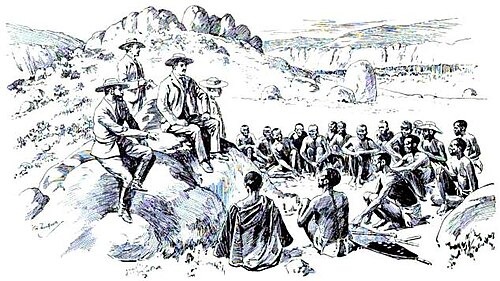
In 1889, Rhodes obtained a royal charter for the British South Africa Company (BSAC). This granted the company the authority to rule, police, and negotiate treaties from the Limpopo River to the great lakes of Central Africa. Through various concessions—including the Rudd Concession and the Lochner Concession with King Lewanika—Rhodes expanded his reach.
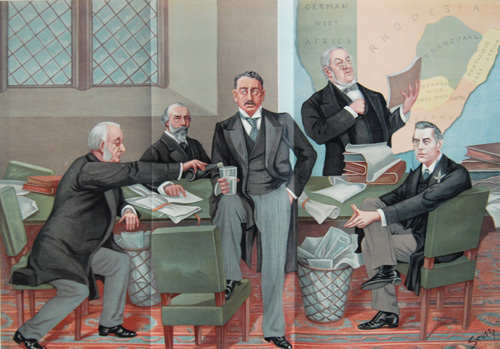
By 1895, the territories under BSAC control, previously known as "Zambesia," were officially renamed Rhodesia. This region was later divided into Southern Rhodesia (now Zimbabwe) and Northern Rhodesia (now Zambia).
Downfall and Final Years
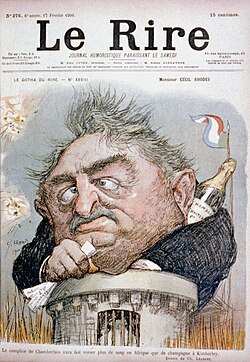
Rhodes's political career suffered a catastrophic blow in 1896. He was forced to resign as Prime Minister following the Jameson Raid, an unauthorized and failed military attack on Paul Kruger's South African Republic (the Transvaal).
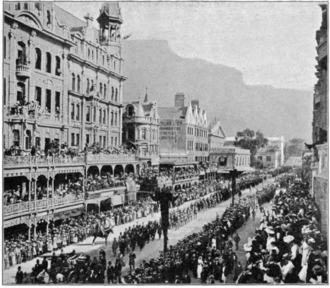
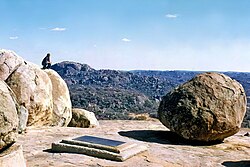
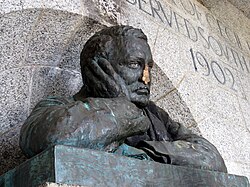
The raid damaged his reputation and stripped him of his political momentum. In his final years, Rhodes struggled with cardiovascular issues and declining health. He died on March 26, 1902, in Muizenberg, Cape Colony, at the age of 48.
Legacy and the Rhodes Scholarship
Despite the controversies of his life, Rhodes left a lasting mark through his will. He provided the funding to establish the Rhodes Scholarship at the University of Oxford, which remains the oldest international graduate scholarship in the world.
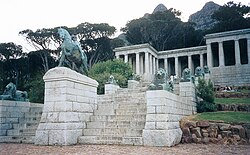
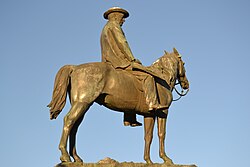
In recent years, Rhodes's legacy has become a focal point of intense debate. His role in colonial dispossession and racial exclusion has led to "Rhodes Must Fall" movements, resulting in calls to remove his statues from institutions like Oriel College, Oxford, and various sites in South Africa.

Key Facts
- Role: 7th Prime Minister of the Cape Colony (1890–1896).
- Business: Founded De Beers in 1888, creating a global diamond monopoly.
- Territory: Established the British South Africa Company and the territory of Rhodesia.
- Vision: Promoted the "Cape to Cairo" railway and telegraph line.
- Education: Funded the Rhodes Scholarship at the University of Oxford.
- Death: Died March 26, 1902; buried at Malindidzimu in present-day Zimbabwe.
| Category | Details |
|---|---|
| Lifespan | 1853 – 1902 |
| Primary Occupation | Mining Magnate and Politician |
| Major Company | De Beers Consolidated Mines Ltd. |
| Political Office | Prime Minister of the Cape Colony |
| Key Territories | Southern and Northern Rhodesia |
| Major Legacy | Rhodes Scholarship |
Frequently Asked Questions
What was the Cape to Cairo Railway?
It was a vision held by Cecil Rhodes to construct a continuous railway and telegraph line from Cape Town in the south to Cairo in the north, linking the entire length of Africa under British influence.
How did Rhodes achieve a monopoly in diamonds?
Rhodes used funding from Rothschild & Co to systematically buy out smaller diamond mines in Kimberley, eventually consolidating them into the De Beers company in 1888.
What was the Jameson Raid?
The Jameson Raid was an unauthorized military attack on the South African Republic (Transvaal) led by Leander Starr Jameson. The failure of this raid led to Rhodes's resignation as Prime Minister in 1896.
What was the impact of the Glen Grey Act?
The Glen Grey Act allowed the government to take land from black Africans through eminent domain, contributing to the systemic dispossession of indigenous people in the region.
What is the Rhodes Scholarship?
Established through Rhodes's estate, it is the oldest international graduate scholarship in the world, allowing students to study at the University of Oxford.