Catholic Cardinals: Roles, Hierarchy, and the College of Cardinals
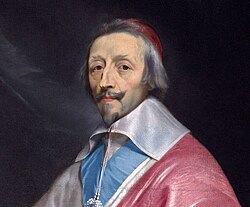
A cardinal is a senior member of the clergy within the Catholic Church. Serving as titular members of the clergy of the Diocese of Rome, these high-ranking officials act as primary advisors to the pope, who serves as the bishop of Rome and the visible head of the global Catholic Church. Cardinals are chosen and formally created by the pope, typically holding their title for life.
Collectively, these individuals form the College of Cardinals. While they hold various administrative and spiritual roles, their most solemn responsibility is the election of a new pope during a conclave—a private meeting held when the Holy See (the jurisdiction of the pope) is vacant. Historically, with very few exceptions, popes have been elected from among the members of this College.
Key Facts
- Primary Role: Advisors to the pope and electors of his successor.
- Election Eligibility: Only cardinals who are under the age of 80 on the day a papal vacancy occurs may participate in a conclave.
- Current Numbers: As of August 3, 2026, there are 240 serving cardinals, with 116 eligible to vote in a conclave.
- Governance: The College of Cardinals manages the day-to-day governance of the Holy See between the death or resignation of a pope and the election of a successor.
- Administration: Working-age cardinals often oversee dicasteries, which are the various departments of the Roman Curia (the Church's central administration).
The Hierarchy of the College of Cardinals
The College is organized into three distinct orders, each with specific historical and administrative significance.
Cardinal Bishops
Cardinal bishops are the highest rank. Historically, membership was achieved through precedence; when a suburbicarian see (one of the dioceses surrounding Rome) became vacant, the most senior cardinal could claim it. However, Pope John XXIII abolished this privilege on March 10, 1961, making such promotions the sole prerogative of the pope.
In 1965, Pope Paul VI decreed that patriarchs of the Eastern Catholic Churches named as cardinals would also be cardinal bishops. In 2018 and 2020, Pope Francis expanded the number of Latin Church cardinal bishops to 11 by granting certain titular churches suburbicarian rank pro hac vice (temporarily).
Cardinal Priests
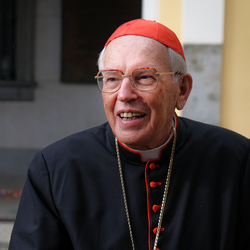
Cardinal priests constitute the largest group within the College. Unlike cardinal patriarchs, Latin Church patriarchs who are named cardinals are designated as cardinal priests.
Cardinal Deacons
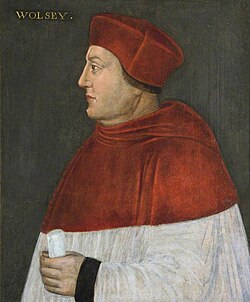
Cardinal deacons historically served as the administrative assistants to the pope. The most senior member of this order is the Cardinal Protodeacon, who is traditionally responsible for announcing the election of a new pope to the public.
Evolution of Requirements and Vesture
The requirements for becoming a cardinal have evolved over centuries. Until 1918, any cleric, including those in minor orders, could be created a cardinal (though they were enrolled as cardinal deacons). For instance, Reginald Pole served as a cardinal for 18 years before being ordained a priest.
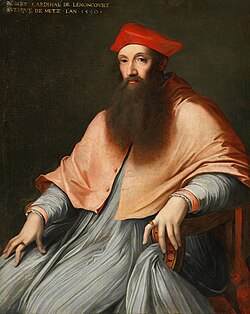
The 1917 Code of Canon Law required all cardinals to be priests, and in 1962, Pope John XXIII established the norm that all cardinals should be consecrated as bishops, regardless of their rank at the time of appointment.
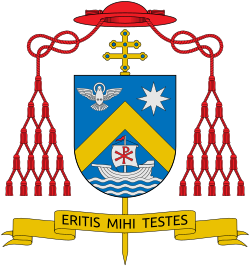
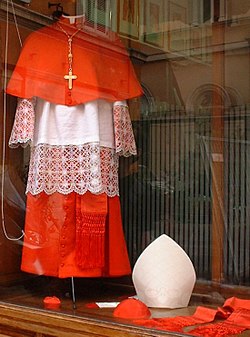
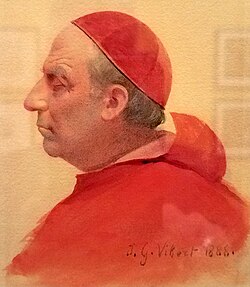
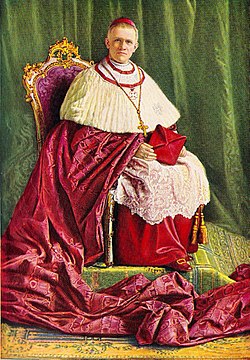
Cardinals are recognized by their distinct red vestments, symbolizing their willingness to shed their blood for the faith. This includes the red cassock and the galero, a wide-brimmed hat with 15 tassels on each side used in heraldry.

Summary of Cardinalate Orders
| Order | Primary Characteristics | Key Notes |
|---|---|---|
| Cardinal Bishops | Highest rank; associated with suburbicarian sees. | Includes Eastern Catholic Patriarchs. |
| Cardinal Priests | The most numerous order. | Includes Latin Church Patriarchs. |
| Cardinal Deacons | Historically administrative; includes the Protodeacon. | Must now be consecrated as bishops (since 1962). |
Venerated Cardinals
Many cardinals have been recognized for exceptional holiness. Notable examples include Saint Bonaventure, a Doctor of the Church, and Saint John Henry Newman, a convert from Anglicanism. Others, such as Iuliu Hossu, were beatified as martyrs after being persecuted by communist forces in Romania.
Frequently Asked Questions
Who can vote for a new pope?
Only cardinals who have not reached the age of 80 by the day the papal vacancy occurs are eligible to participate in the conclave.
What is the role of the Cardinal Protodeacon?
The Cardinal Protodeacon is the most senior cardinal deacon and is traditionally the person who announces the name of the newly elected pope to the world.
Do all cardinals have to be bishops?
Yes, since 1962, Pope John XXIII established the norm that all cardinals must be consecrated as bishops, even if they were only priests when appointed.
What is a suburbicarian see?
A suburbicarian see is one of the ancient dioceses surrounding Rome. These are specifically associated with the order of cardinal bishops.
How are cardinals appointed?
Cardinals are chosen and formally created by the pope through a process called a consistory.