Carmine: The History and Science of the Cochineal Red Pigment
Carmine is a vibrant, deep-red pigment derived from an aluminium complex of carminic acid. Known by various names including cochineal, crimson lake, and Natural Red 4, this pigment has transitioned from an ancient textile dye to a modern staple in the food and cosmetic industries. Whether appearing as the rich hues in a Renaissance painting or the bright red of a commercial yogurt, carmine remains one of the most significant natural colorants in human history.
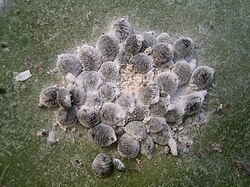
The pigment is primarily extracted from the female Dactylopius coccus, a scale insect that lives on cacti. While synthetic alternatives exist, the complexity and cost of producing synthetic carminic acid mean that the natural insect-derived version continues to dominate the global market.

Key Facts
- Source: Derived from carminic acid found in female cochineal scale insects.
- Chemical Identity: An aluminium complex; identified as E120 in the EU and C.I. 75470.
- Production Scale: Approximately 70,000 insects are required to produce one pound (0.45 kg) of dye.
- Common Uses: Food (yogurt, candy), cosmetics (lipstick), histology (cell staining), and fine art.
- Characteristics: A fugitive color that can fade into brownish tones when exposed to light.
Etymology and Origins
The word "carmine" has a rich linguistic history, tracing back to the French carmin and Medieval Latin carminium. These roots lead further back to the Arabic qirmiz and Armenian carmir, both meaning "red." These terms are likely cognate with the Sanskrit krimiga, meaning "insect-produced," reflecting the pigment's biological origin.
Historical Evolution
The use of cochineal insects for coloring dates back as far as 700 BC. Ancient American civilizations, particularly the Aztecs, crushed these insects to dye textiles. Following the Spanish conquest of the Americas, the Spanish Crown maintained a strict monopoly on cochineal exports to Europe until 1820.
The monopoly eventually collapsed when the French learned to cultivate the insects and German and British scientists developed synthetic red dyes. This increased availability and lowered the cost, making the pigment accessible to a broader range of artists and industries.
Chemical Properties and Production
Chemically, carmine is an aluminium complex of carminic acid. Its systematic IUPAC name is complex, involving aluminium, calcium, and a tetraoxido-anthracene structure. It has a molar mass of 1,158.936 g·mol and a melting point between 298–300 °C.

The Production Process
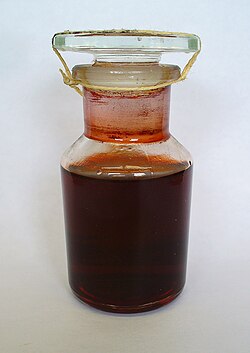
To create the pigment, powdered scale insect bodies are boiled in a solution of sodium carbonate or ammonia. Once the insoluble matter is removed, the extract is treated with alum to precipitate a red solid, known as "carmine lake" or "crimson lake." To ensure color purity, iron must be absent from the process. Various additives, such as citric acid, borax, or gelatin, can be used to modify the final result, while the addition of lime to alum can shift the hue toward purple.
Technical Characteristics
- Wavelength: Reflects red light, with a dominant wavelength of 612 nm (vibrant red) to a complementary wavelength of 497 nm (dark purplish red).
- Hue: Dependent on metallic ions; zinc or aluminium produces a crimson hue.
- Translucence: Varies by medium; it is translucent in oil (ideal for glazes) but opaque in tempera or glue.
- Permanence: It is a fugitive color, meaning it fades over time due to light and humidity.
Applications Across Industries
Fine Art and Cartography
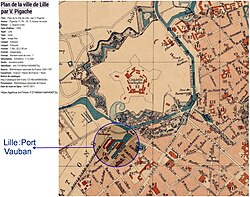
Carmine has been used by masters such as Jacopo Tintoretto and Vincent van Gogh. However, its fugitive nature has altered many works over time; for example, the floor in Van Gogh's Bedroom in Arles shifted from reddish to bluish. In the 17th century, the French engineer Sébastien Le Prestre de Vauban recommended carmine for military maps to clearly distinguish fortifications like ramparts and brick buildings.
Food and Cosmetics
Today, carmine is a popular food colorant used in beverages, gelatin, and confectionery. In cosmetics, it is a primary ingredient in lipsticks, nail polishes, and eye shadows. Because it is derived from insects, it can cause allergic reactions in some individuals.
Science and Medicine
In histology (the study of microscopic tissue), carmine is used as a staining agent. Specific variations include Best's carmine for glycogen and mucicarmine for acidic mucopolysaccharides. Historically, the Aztecs used cochineal mixed with vinegar to treat wounds and for dental hygiene.
Regulatory Status
| Region | Labeling/Regulation | Key Notes |
|---|---|---|
| United States (FDA) | "Carmine" or "Cochineal extract" | FDA declined requiring "insect-based" labels despite allergy concerns. |
| European Union (EU) | E120 / Natural Red 4 | Regulated as a food additive; must be listed by name or E-number. |
| EU Pharmaceuticals | Shift to synthetic/plant versions | EFSA encouraged replacements in some medications to reduce allergic risks. |
Frequently Asked Questions
What is the difference between carmine and cochineal?
Cochineal refers to the insect (Dactylopius coccus) from which the dye is sourced, while carmine is the specific red pigment produced by treating the carminic acid from those insects with aluminium.
Is carmine safe for everyone to consume?
While approved by the FDA and EU, carmine can cause allergic reactions and, in rare cases, anaphylactic shock in sensitive individuals because it is derived from insects.
Why do some old paintings using carmine look different today?
Carmine is a fugitive pigment, meaning it is highly sensitive to light and humidity. Over time, it tends to fade or shift toward brownish or bluish tones.
How is carmine used in medical science?
It is used in histology as a biological stain to highlight specific structures, such as cell nuclei or glycogen, usually in combination with a mordant like an aluminium salt.
Can carmine be produced synthetically?
Yes, but synthetic production of carminic acid is complex and expensive. Consequently, the natural insect-derived version remains the predominant choice on the market.