Understanding Carbohydrates: From Basic Sugars to Complex Biomolecules
Carbohydrates are one of the four major families of biomolecules, alongside amino acids, fats, and nucleic acids. At their most basic level, a carbohydrate is a sugar (saccharide) or a sugar derivative. For the simplest forms, these molecules follow a specific atomic ratio of carbon, hydrogen, and oxygen (1:2:1), often represented by the empirical formula (CH2O)n.
Beyond being a primary energy source, carbohydrates are essential for the structural integrity of living organisms. Polysaccharides—long chains of sugar molecules—act as energy stores, such as starch in plants and glycogen in animals. They also provide critical structural support, seen in the cellulose of plant cell walls and the chitin found in fungi and arthropods. Furthermore, the five-carbon monosaccharide ribose forms the backbone of RNA, while its relative, deoxyribose, is a fundamental component of DNA.
Saccharides and their derivatives are also deeply involved in complex biological processes, including the immune system, fertilization, the prevention of pathogenesis, and blood clotting.
![Heparin, a carbohydrate, is a blood anticoagulant.[9]](/images/9c/57/9c5732990618e03237a4295cf753acac6bb7a5420546b77f1173975c60e4a6dd.webp)
Key Facts
- Empirical Formula: Simple carbohydrates typically follow the ratio (CH2O)n.
- Energy Yield: Oxidation of one gram of carbohydrate yields approximately 16 kJ (4 kcal) of energy.
- Primary Types: Classified by their degree of polymerization into monosaccharides, disaccharides, oligosaccharides, and polysaccharides.
- Biological Roles: Serve as energy storage (starch, glycogen), structural components (cellulose, chitin), and genetic building blocks (ribose, deoxyribose).
- Dietary Energy: Simple sugars provide 3.87 kcal/g, while complex carbohydrates provide between 3.57 and 4.12 kcal/g.
Classification of Saccharides
The study of carbohydrates begins with saccharides, which are polyhydroxy aldehydes or ketones. These are classified based on their degree of polymerization, which refers to the number of sugar units linked together.
Simple Carbohydrates
Simple carbohydrates consist of monosaccharides and disaccharides. Monosaccharides are the simplest form and cannot be hydrolyzed (broken down by water) into smaller carbohydrates. Examples include glucose, galactose, and fructose. Disaccharides consist of two monosaccharide units; for instance, lactose is a disaccharide found in animal milk, composed of D-galactose and D-glucose bonded by a beta-1-4 glycosidic linkage.

Complex Carbohydrates
Complex carbohydrates include oligosaccharides (containing 3 to 9 sugar units) and polysaccharides (containing more than 9 units). Polysaccharides can be starch-based, such as amylose and amylopectin, or non-starch based, such as glycogen, cellulose, and pectins.
| Class (Degree of Polymerization) | Subgroup | Examples/Components |
|---|---|---|
| Sugars (1–2) | Monosaccharides | Glucose, galactose, fructose, xylose |
| Disaccharides | Sucrose, lactose, maltose, trehalose | |
| Polyols | Sorbitol, mannitol | |
| Oligosaccharides (3–9) | Malto-oligosaccharides | Maltodextrins |
| Other oligosaccharides | Raffinose, stachyose, fructo-oligosaccharides | |
| Polysaccharides (>9) | Starch | Amylose, amylopectin, modified starches |
| Non-starch polysaccharides | Glycogen, Cellulose, Hemicellulose, Pectins |
Carbohydrates in Nutrition and Health
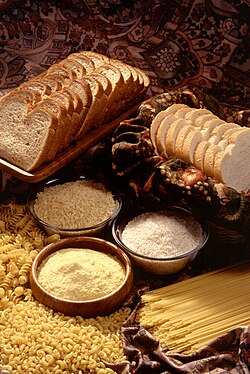
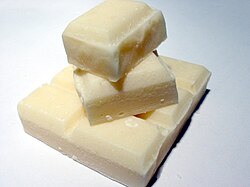
Carbohydrates are central to the human diet and are found in both natural and processed foods. Starch is abundant in cereals (wheat, maize, rice) and potatoes. Simple sugars appear as table sugar (sucrose), lactose in milk, and glucose and fructose in honey, fruits, and some vegetables.
The Glycemic Index (GI)
The glycemic index is a numerical scale that characterizes how quickly a carbohydrate-containing food raises blood glucose levels compared to pure glucose (which has a GI of 100). Foods are categorized as:
- High-GI: Score more than 70 (causes a rapid increase and subsequent decline in blood glucose).
- Moderate-GI: Score between 56 and 69.
- Low-GI: Score less than 55 (produces a slower, steadier release of glucose).
While GI measures quality, glycemic load accounts for both the GI and the total amount of carbohydrates in a single serving.
Dietary Recommendations and Restrictions
The Institute of Medicine suggests that adults in the US and Canada obtain 45% to 65% of their dietary energy from whole-grain carbohydrates. The WHO and FAO recommend a range of 55% to 75%, with no more than 10% coming directly from simple sugars.
Low-carbohydrate diets are sometimes used for weight loss or glycemic control in people with type 2 diabetes. However, extreme versions, such as the ketogenic diet, are primarily established as medical treatments for epilepsy. When used as a fad diet for weight loss, the ketogenic diet may lead to side effects like insomnia, nausea, and low energy levels.
Metabolism and Biological Function
Carbohydrate metabolism involves the biochemical processes that form, break down, and interconvert carbohydrates. The most critical carbohydrate in this process is glucose, which is metabolized by nearly all known organisms.
Plants synthesize carbohydrates from carbon dioxide and water via photosynthesis. Animals and fungi then consume these plants, using the carbohydrates as fuel for cellular respiration. This process converts glucose and oxygen into energy, with water and carbon dioxide as byproducts. The energy is typically stored temporarily within cells as ATP (adenosine triphosphate).
In the process of catabolism (the breakdown of molecules), enzymes called glycoside hydrolases cleave polysaccharides into smaller monosaccharides. Through glycolysis, these sugars are further processed to release energy. In humans, the body stores between 300 and 500 grams of carbohydrates, largely within the skeletal muscles.
The History and Science of Carbohydrates
The history of carbohydrate study is closely linked to the cultivation of sugar cane, which originated in New Guinea and was later industrialized in India and the New World. The scientific understanding of these molecules evolved through several key milestones:
- 1811: Constantin Kirchhoff discovered that boiling starch with acid produces grape sugar (glucose).
- 1844: Carl Schmidt first proposed the term "carbohydrate."
- 1856: Claude Bernard discovered glycogen in animal livers.
- 1902: Emil Fischer received the Nobel Prize for his work on sugars and purines.
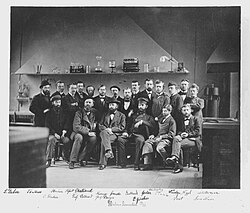
In 1988, Raymond Dwek coined the term glycobiology to describe the intersection of carbohydrate chemistry and biochemistry. Today, the field of glycoscience explores the complex structures and functions of glycans (sugar chains).
Analytical Tools and Synthesis
Modern scientists use high-resolution mass spectrometry (MS) and high-performance liquid chromatography (HPLC) to analyze glycans. These tools allow researchers to identify sugar structures, often by tagging the reducing end of the sugars with fluorescent compounds. Additionally, various organic reactions, such as the Amadori rearrangement and the Koenigs–Knorr reaction, are used for the chemical synthesis and manipulation of carbohydrates.
Frequently Asked Questions
What is the difference between simple and complex carbohydrates?
Simple carbohydrates are sugars (monosaccharides and disaccharides) that are digested quickly by the body. Complex carbohydrates are polysaccharides or oligosaccharides, which consist of longer chains of sugar units and generally take longer to digest, providing a steadier release of energy.
What is the Glycemic Index (GI)?
The Glycemic Index is a rating system (0-100) that indicates how quickly a carbohydrate-rich food raises blood glucose levels compared to a reference food, usually pure glucose.
How does the body store carbohydrates?
The human body stores carbohydrates primarily as glycogen, located mainly in the liver and skeletal muscles. Depending on body weight, a person typically stores between 300 and 500 grams of carbohydrates.
What is the purpose of the ketogenic diet?
While often used as a weight-loss fad, the ketogenic diet is medically established as a treatment for epilepsy.
Which foods are the richest sources of carbohydrates?
The richest sources include grains (wheat, rice, maize), starchy vegetables (potatoes, cassava, yams), fruits, honey, and milk.
What is the role of ribose and deoxyribose?
Ribose is a five-carbon sugar that serves as a component of coenzymes (like ATP) and the backbone of RNA. Deoxyribose is a similar sugar that forms the structural backbone of DNA.