Cambridge: A Comprehensive Overview of the Historic University City
Cambridge is a historic city and non-metropolitan district located in the East of England within the county of Cambridgeshire. Known globally for its academic prestige, the city has a rich heritage dating back to its origins as Granta Brygg around 1209. Today, it serves as a vibrant hub of culture, science, and history, blending medieval architecture with modern innovation.
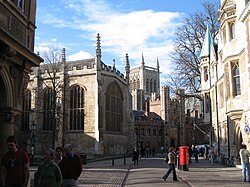
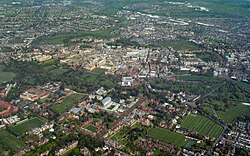
The city's layout is defined by its historic streets and iconic colleges. Trinity Street remains a central artery, flanked by legendary institutions like Trinity College and St John's College.
Key Facts
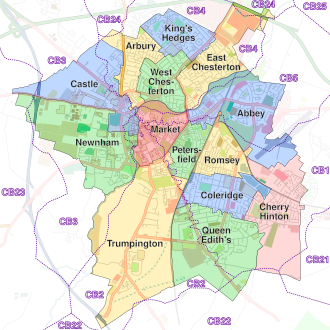
- Founded: Approximately 1209 as Granta Brygg.
- City Status: Officially granted in 1951.
- Population: Approximately 149,352 (2024 estimate).
- Demonym: Residents are known as Cantabrigians.
- Area: 16 square miles (41 km²).
- Governance: Managed by Cambridge City Council.
History and Heritage
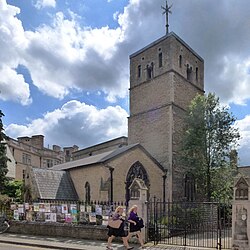
The historical timeline of Cambridge spans from prehistoric and Roman eras through the medieval and early modern periods. One of the most significant landmarks is St Bene't's Church, which stands as the oldest surviving building in Cambridgeshire.
The academic history of the city is anchored by its colleges. Peterhouse holds the distinction of being the first college founded at the University of Cambridge.
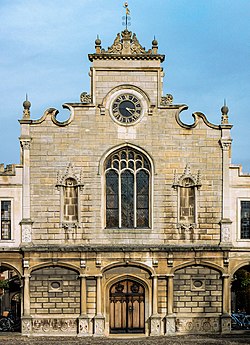
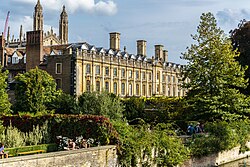
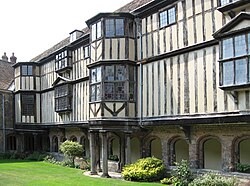
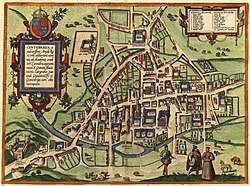
From the grandeur of the President's Lodge at Queens' College to the historical views of the city in the 16th century, Cambridge's architectural evolution is a testament to its enduring importance.
Geography and Environment
Cambridge is situated at coordinates 52°12′18″N 00°07′21″E. The city's landscape is characterized by its proximity to the River Cam, a central feature for both transport and leisure, including the popular activity of punting.
The local climate is temperate. Based on data from the Cambridge University Botanic Garden, the city experiences seasonal variations with mean daily maximum temperatures ranging from approximately 7.8°C in January to 23.3°C in July. Precipitation is distributed throughout the year, with July typically being one of the wetter months.
Demographics and Society
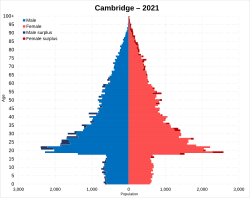
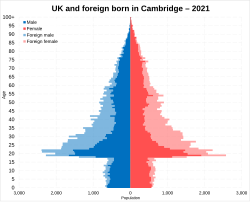
As of the 2021 census, Cambridge displays a diverse demographic profile. The population is approximately 74.5% White, 14.8% Asian, 5.1% Mixed, and 2.4% Black. Religious affiliation shows that 44.7% of residents identify with no religion, while 35.2% identify as Christian.
Transport and Infrastructure
Cambridge is famously recognized as the "cycling capital of the UK," reflecting a strong local culture of sustainable transport.
![Cambridge is the "cycling capital of the UK" [138]](/images/20/4d/204deaff836941806e44b96b45a675dc9fc7bc9cac89b11c95cdfc9f77ea206c.jpg)
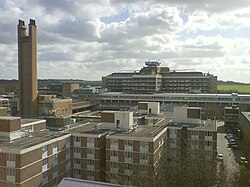
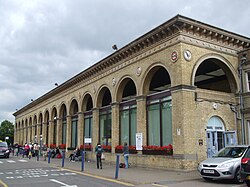
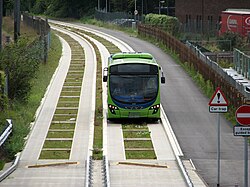
The city is well-connected via the Cambridge railway station and the Cambridgeshire Guided Busway, facilitating movement across the region. The local economy and connectivity are supported by robust infrastructure, including the nearby Cambridge airport and major road networks.
Culture, Education, and Leisure
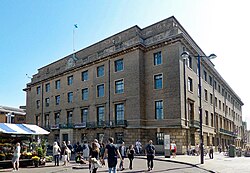
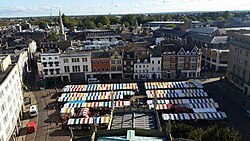
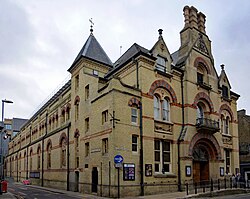
Beyond the University, the city offers a wealth of cultural experiences. From the historic Cambridge Corn Exchange to the lively Cambridge Market, there is a constant pulse of activity.
The city hosts numerous festivals, including the Cambridge Folk Festival and the Cambridge Science Festival, which showcases scientific models like the Sierpinski tetrahedron. Film enthusiasts can enjoy the annual Cambridge Film Festival.


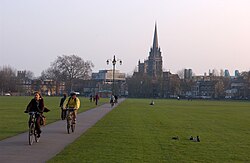
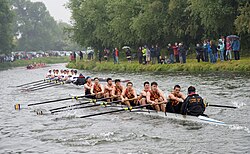
Sports also play a vital role in local life, ranging from the traditional Bumps race on the River Cam to football matches played on Parker's Piece, a site where the Cambridge rules of football were first established.
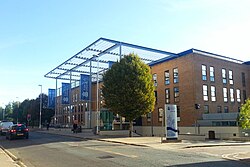
Education in the region is further bolstered by institutions such as Anglia Ruskin University, which evolved from the 19th-century Cambridge School of Art founded by John Ruskin.
| Category | Details |
|---|---|
| Total Area | 16 sq mi |
| Population Density | 9,500/sq mi |
| Postcode Area | CB |
| Dialling Code | 01223 |
| Time Zone | UTC+0 (GMT) |
Frequently Asked Questions
What is the official demonym for people from Cambridge?
People from Cambridge are known as Cantabrigians.
When was Cambridge granted city status?
Cambridge was officially granted city status in 1951.
What is the oldest building in Cambridgeshire?
St Bene't's Church is recognized as the oldest standing building in the county.
Is Cambridge known for any specific mode of transport?
Yes, Cambridge is widely considered the "cycling capital of the UK."
Which college was the first to be founded in Cambridge?
Peterhouse was the first college founded at the University of Cambridge.