Caledonian Sleeper: The History and Operation of Britain's Iconic Overnight Rail Service
The Caledonian Sleeper is more than just a train; it is a legendary link between London and the rugged landscapes of Scotland. Operating overnight, this service allows passengers to travel from the heart of the English capital to the Highlands and Lowlands while they sleep, combining the utility of transport with the luxury of a hotel.
From its early origins in the 19th century to its modern identity as a standalone service, the Caledonian Sleeper has evolved through various ownerships and technological leaps, ensuring that the romance of long-distance rail travel remains alive in the 21st century.
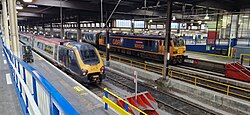
Key Facts
- Headquarters: Inverness, Scotland.
- Parent Company: Scottish Rail Holdings (as of June 2023).
- Primary Hub: London Euston.
- Fleet: Modern Mark 5 carriages hauled by Class 92 and Class 73/9 locomotives.
- Service Frequency: Operates six nights per week (excluding Saturday nights).
- Network Reach: Serves 48 stations across Greater London, South East England, North West England, and Scotland.
A Journey Through History
The tradition of sleeping cars in Britain began on February 24, 1873, when the North British Railway introduced the first revenue-earning sleeping carriage on a trip from Glasgow to London King's Cross. For over a century, sleeper services operated on both the East and West Coast Main Lines. However, by May 1988, all sleeper services on the East Coast routes were withdrawn, leaving the West Coast route as the primary artery for overnight Anglo-Scottish travel.
In the mid-1990s, the service underwent significant transitions. On March 5, 1995, responsibility shifted from InterCity West Coast to ScotRail. During this era, the service faced potential cuts, particularly the Fort William portion, which was only preserved after a successful legal challenge by the Highland Regional Council. By June 1996, the service was officially rebranded as the Caledonian Sleeper, introducing distinct identities for its routes: the Night Caledonian, Night Scotsman, Night Aberdonian, Royal Highlander, and West Highlander.
Evolution of Ownership and Management
The management of the service has shifted several times following the privatization of British Rail. Initially part of the ScotRail franchise operated by National Express in 1997, it later moved to FirstGroup in 2004. A major shift occurred in April 2015, when the Caledonian Sleeper became a standalone franchise operated by Serco under the supervision of the Scottish Government.
Serco committed £100 million to modernize the service, which led to the procurement of a brand-new fleet. However, the tenure was marked by industrial unrest, including strikes over pay and working conditions between 2022 and 2024. In October 2022, the Scottish Government announced the termination of the Serco franchise, and on June 25, 2023, the service was taken over by Scottish Rail Holdings.
Current Operations and Routes
Today, the service is divided into two primary categories: the Highland Sleeper and the Lowland Sleeper. These trains typically operate at a maximum speed of 80 mph, though they can reach 100 mph if delayed by more than 20 minutes.
The Highland Sleeper
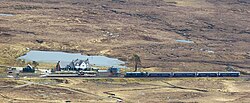
The Highland Sleeper departs London Euston and splits into three distinct portions to serve the north: Aberdeen, Inverness, and Fort William. Starting January 15, 2026, these services will include stops at Birmingham International station in the West Midlands.
The Lowland Sleeper
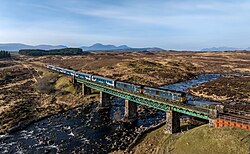
The Lowland Sleeper provides a more direct connection, with two portions serving Glasgow Central and Edinburgh Waverley. These routes are designed for efficiency, connecting the major urban hubs of the Scottish Lowlands with London.
Rolling Stock and Technical Specifications
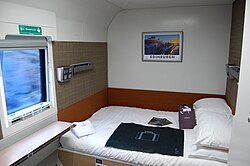
The most significant upgrade in recent years was the 2019 introduction of Mark 5 carriages, which replaced the aging British Rail-era Mark 2 and Mark 3 stock. These new carriages offer enhanced comfort, including en-suite rooms and modern club cars.
Traction is handled by a mix of locomotives depending on the electrification of the line. Class 92 electric locomotives handle the electrified sections from London, while rebuilt Class 73/9 electro-diesel locomotives take over on the non-electrified routes in Scotland.
| Class | Type | Top Speed | Fleet Size | Primary Usage |
|---|---|---|---|---|
| Class 92 | Electric Locomotive | 87 mph (140 km/h) | 7 | London to Glasgow/Edinburgh |
| Class 73/9 | Electro-diesel Locomotive | 90 mph (145 km/h) | 6 | Non-electrified Scottish routes |
| Class 67 | Diesel-electric Locomotive | 125 mph (200 km/h) | 2 | Edinburgh to Aberdeen/Fort William/Inverness |
| Mark 5 | Passenger Carriage | 100 mph (161 km/h) | 75 | Full Network |
Frequently Asked Questions
Which cities does the Caledonian Sleeper connect to London?
The service connects London Euston to Glasgow Central, Edinburgh Waverley, Aberdeen, Inverness, and Fort William.
What are Mark 5 carriages?
Mark 5 carriages are the modern passenger coaches introduced in 2019 to replace older British Rail stock, featuring updated amenities such as en-suite rooms.
How often does the sleeper service run?
The trains operate six nights a week, with no service on Saturday nights/Sunday mornings.
Who currently operates the Caledonian Sleeper?
As of June 25, 2023, the service is operated by Scottish Rail Holdings.
Will the route change in the future?
Yes, starting January 15, 2026, the Aberdeen, Inverness, and Fort William services will travel to and from London via Birmingham International station.