Cabbage: History, Cultivation, and Nutritional Profile of a Global Staple
Cabbage, scientifically known as Brassica oleracea, is one of the world's most versatile and widely consumed vegetables. Belonging to the Capitata Group, this hardy plant has transitioned from an ancient European staple to a global culinary essential. Whether enjoyed fresh in a salad, fermented into sauerkraut, or cooked in hearty stews, cabbage offers a unique combination of texture, flavor, and dense nutrition.
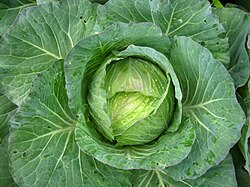
Key Facts
- Scientific Name: Brassica oleracea (Capitata Group).
- Origin: Europe, domesticated prior to 1000 BC.
- Common Varieties: White, Red, Savoy, and Spring greens.
- Nutritional Highlights: Exceptionally high in Vitamin C and Vitamin K.
- Growth Cycle: Typically harvested in the first year; flowering occurs in the second year.
The History and Evolution of Cabbage
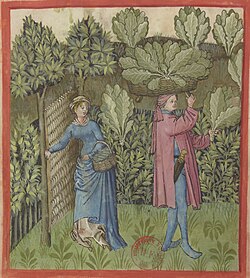
The roots of cabbage cultivation stretch back to ancient Europe. Documented as a luxury in the Roman Empire, it eventually became a fundamental component of European diets during the Middle Ages. Historical records, such as manuscript illuminations, highlight its prominence in medieval cuisine. By the 17th and 18th centuries, it had solidified its status as a staple food across central, northern, and eastern Europe.
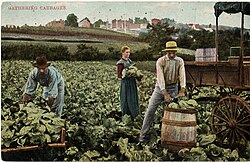
Cabbage played a vital role in maritime history, as European sailors utilized it to help prevent scurvy during long voyages. As the early modern era progressed, the vegetable was exported globally, reaching the Americas, Asia, and beyond. Notable historical milestones include Jacques Cartier bringing cabbage to the Americas in the early 16th century and the establishment of the Zelný trh market in the Czech Republic, which has operated since 1325.
Botanical Description and Varieties
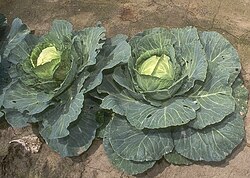
Cabbage plants are characterized by their growth stages. In their first year, they reach a mature vegetative stage of 40–60 cm. If left to grow into a second year, they can reach heights of 1.5–2 meters when they begin to flower. The plant features a shallow, fibrous root system, with approximately 90% of the mass located in the upper 20–30 cm of the soil.
Common Cultivar Groups
Cabbages are categorized into several distinct groups based on leaf texture and color:
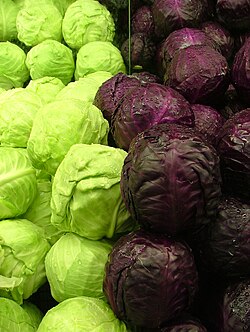
- White (Dutch): Features smooth, pale green leaves and is the most common variety.
- Red: Distinguished by smooth red leaves, often used for pickling or stewing.
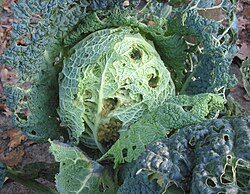
- Savoy: Known for its crinkled or curly leaves, offering a mild flavor and tender texture.
- Spring Greens: Loose-headed varieties that are commonly sliced and steamed.
The Flowering Process
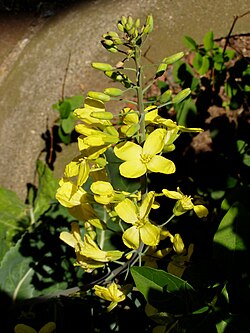
When cabbage reaches its second year, it produces an unbranched terminal raceme (a type of flower cluster) measuring 50–100 cm tall. The flowers are typically yellow or white, featuring four petals arranged perpendicularly. Because cabbage plants cannot self-pollinate, they rely on insects for cross-pollination to produce seeds within a silique (a type of fruit).
Cultivation and Growing Conditions
For optimal growth, cabbage thrives in temperatures between 4 and 24 °C (39 to 75 °F). Extreme temperatures can lead to bolting, which is the premature transition to the flowering stage. This process can be influenced by vernalization, where exposure to low temperatures induces flowering in plants that have passed their juvenile stage.
Most growers start cabbage in protected environments before transplanting them into the ground. Proper spacing is critical; plants are typically placed 30 to 61 cm apart. Insufficient spacing can limit light availability and nutrients, ultimately delaying maturity. Growers must also remain vigilant against pests, such as the cabbage moth, and various bacterial or fungal diseases.
Nutritional Value and Culinary Uses
Cabbage is a nutrient-dense vegetable, consisting of approximately 92% water. It is an excellent source of essential vitamins, particularly Vitamin C (41% DV) and Vitamin K (63% DV), and provides a moderate amount of folate.
| Nutrient | Amount | % Daily Value (DV) |
|---|---|---|
| Energy | 25 kcal | - |
| Carbohydrates | 5.8 g | - |
| Dietary Fiber | 2.5 g | - |
| Protein | 1.28 g | - |
| Vitamin C | - | 41% |
| Vitamin K | - | 63% |
| Folate (B9) | - | 11% |
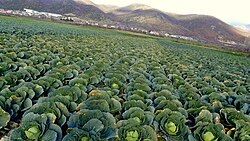
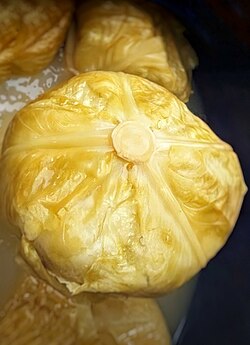
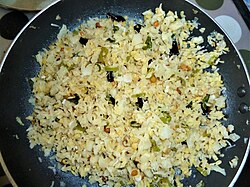
Culinary applications are vast. Cabbage is consumed globally, with Russia leading in per capita consumption at 20 kg annually. It can be eaten raw, steamed, or fermented. Fermentation, such as making sour cabbage stored in brine, is a traditional method of preservation.
Storage and Longevity
To maintain freshness, cabbage is best stored at temperatures between −1 and 2 °C (30 to 36 °F) with high humidity (90–100%). Under these ideal conditions, cabbage can remain viable for up to six months. Vacuum cooling is often used in commercial settings to rapidly refrigerate the vegetable for fresher shipping.
Frequently Asked Questions
What are the different types of cabbage?
The main cultivar groups include White (smooth, pale green), Red (smooth, purple/red), Savoy (crinkled/curly leaves), and Spring greens (loose-headed).
How long does cabbage stay fresh?
When stored in ideal conditions (near freezing temperatures with high humidity), cabbage can last up to six months. In less ideal conditions, it typically lasts up to four months.
Why does cabbage flower in its second year?
Cabbage is a biennial plant, meaning it completes its life cycle over two years. The first year focuses on vegetative growth (forming the head), while the second year focuses on reproduction (flowering and seed production).
Is cabbage a good source of vitamins?
Yes, cabbage is a rich source of Vitamin C and Vitamin K, and it also provides a moderate amount of folate (Vitamin B9).
What is bolting in cabbage?
Bolting is the process where a cabbage plant prematurely enters the flowering stage, often due to extended periods of high or low temperatures.