Burnley Football Club: A Legacy of Resilience and Tradition
Founded on May 18, 1882, Burnley Football Club—affectionately known as The Clarets—stands as one of the most storied institutions in English football. From its early days in the 19th century to its modern era under international ownership, the club has navigated the highs of top-flight championships and the challenges of relegation, all while maintaining a deep connection to its home at Turf Moor.
Today, the club competes in the EFL Championship under the guidance of head coach Nicky Hayen and the ownership of ALK Capital LLC, led by Chairman Alan Pace. With a capacity of 21,944, Turf Moor remains a fortress of tradition in the heart of Lancashire.
Key Facts
- Founded: May 18, 1882.
- Home Ground: Turf Moor (Capacity: 21,944).
- Major Honours: Two First Division titles (1920–21, 1959–60) and one FA Cup (1913–14).
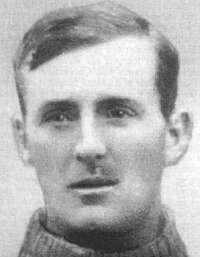
- Appearance Record: Jerry Dawson holds the record with 569 appearances.
- Current Status: Competing in the EFL Championship for the 2025–26 season.
A Journey Through History
Beginnings and Early Glory (1882–1946)
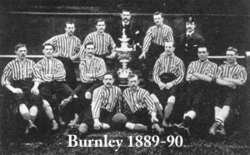
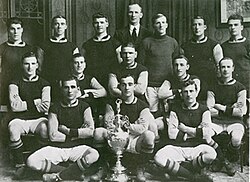
Burnley's early years were marked by rapid ascent and significant silverware. The club established itself as a powerhouse in the early 20th century, securing the FA Cup in 1913–14 and claiming its first First Division championship in the 1920–21 season.
The Golden Era and Innovation (1946–1976)
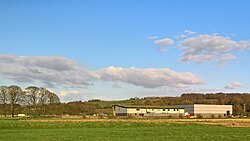
The post-war period saw Burnley enter a progressive era, characterized by tactical innovation and a commitment to youth. This culminated in a second First Division title in 1959–60. The club also invested in infrastructure, establishing Gawthorpe as one of the first purpose-built training grounds in the country.
Volatility and Recovery (1976–2020)
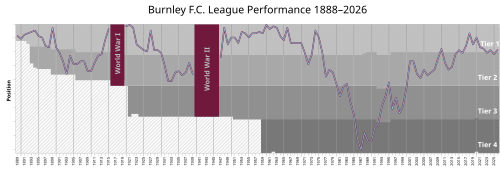
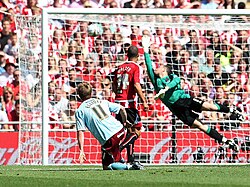
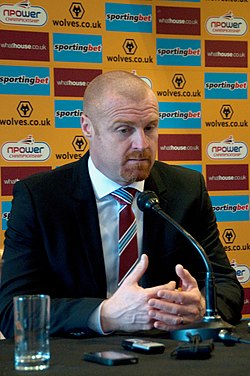
The latter half of the 20th century was a period of fluctuation. The club experienced a decline that saw them drop through the divisions, including a stint in the Fourth Division where they were crowned champions in 1991–92. However, the 21st century brought a resurgence, highlighted by a 2009 Championship play-off victory and the stability provided by manager Sean Dyche, who guided the team to two separate promotions to the Premier League.
The Modern Era (2020–Present)
In 2020, the club entered a new chapter with the takeover by American-based ALK Capital LLC. This transition brought foreign investment and a new strategic direction. Despite the volatility of the Premier League, including a relegation in the 2024–25 cycle, the club continues to rebuild its squad with a mix of experienced internationals and emerging talent.
Club Infrastructure and Identity
Turf Moor and Facilities
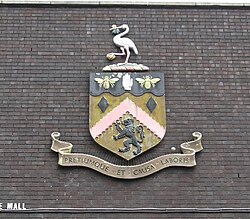
Turf Moor is more than just a stadium; it is a symbol of the club's endurance. Over the years, it has evolved to include modern amenities, such as VR matchday broadcasts and improved accessibility for disabled fans. The stadium's identity is closely tied to the town of Burnley, with the club's crest drawing inspiration from the town's coat of arms.
Squad and Management
As of August 2026, the first-team squad is led by captain Josh Cullen and vice-captain Kyle Walker. The technical staff is headed by Nicky Hayen, supported by assistant coaches Mike Jackson and Henrik Jensen. The squad features a diverse array of international talent from nations including Germany, France, Denmark, and Brazil.
Honours and Achievements
Burnley's trophy cabinet reflects a century of competitiveness across all levels of the English football pyramid.
| Competition | Titles/Winners | Runners-up / Notable Finishes |
|---|---|---|
| First Division (Level 1) | 1920–21, 1959–60 | 1919–20, 1961–62 |
| Championship (Level 2) | 1897–98, 1972–73, 2015–16, 2022–23 | Play-off winners 2009 |
| FA Cup | 1913–14 | 1946–47, 1961–62 |
| Lower Divisions | Third Div (1981–82), Fourth Div (1991–92) | Play-off winners 1994 |
| Other Cups | Anglo-Scottish Cup (1978–79) | FA Charity Shield (1960 shared, 1973) |
Frequently Asked Questions
Who is the current head coach of Burnley FC?
The current head coach is Nicky Hayen.
What is the significance of the nickname "The Clarets"?
The nickname refers to the club's traditional home colours, which are a deep claret red.
Who holds the record for the most appearances for the club?
Jerry Dawson holds the all-time appearance record with 569 games played for Burnley.
Who currently owns Burnley Football Club?
The club is owned by ALK Capital LLC, with Alan Pace serving as the Chairman.
What is the capacity of Turf Moor?
Turf Moor has a capacity of 21,944 spectators.