Bungalow Architecture: A Global History of Single-Storey Living
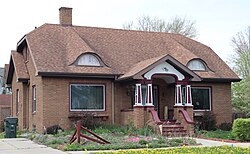
The bungalow is a distinctive style of residential architecture characterized as a small house or cottage, typically featuring a single or one-and-a-half storey layout. Often surrounded by wide verandas, these homes are designed for efficiency and accessibility. When a smaller upper storey exists, it is frequently integrated into the roof, with windows protruding from the roofline.
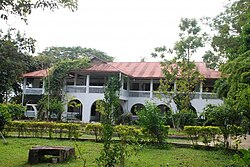
The term originates from the word bangla, used elliptically to describe a house built in the Bengal style. While the concept began in South Asia, it evolved into a global phenomenon, adapting to the climates, landscapes, and social needs of different continents.
Key Facts
- Origin: Derived from the Bengali word bangla.
- Core Design: Primarily single-storey, eliminating stairs between main living areas.
- US Popularity: Peaked between 1900 and 1918, heavily influenced by the Arts and Crafts movement.
- Accessibility: Highly suited for elderly residents or those with impaired mobility.
- Cost: Generally more expensive to build per square foot than two-storey homes due to larger foundation and roof requirements.
The Evolution of the American Bungalow
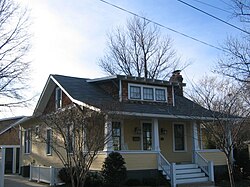
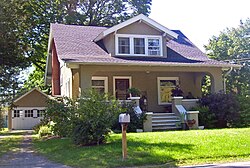
In the United States, bungalows initially served as vacation homes. Between 1900 and 1918, they became central to the Arts and Crafts movement, drawing inspiration from the American Craftsman and Prairie School styles. This era saw the rise of regional variations tailored to local geography and social milieus, from the coasts of California to the urban grids of Chicago.
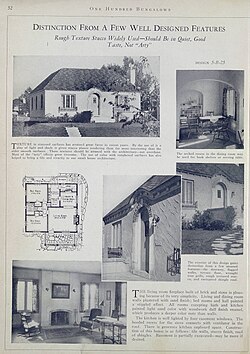
A significant driver of this popularity was the Sears, Roebuck & Co. "Modern Homes" program (1908–1940). By selling precut house kits via mail-order and shipping them by rail, Sears made stylish, standardized Craftsman bungalows accessible to the middle class through unique financing options.
Regional US Variations
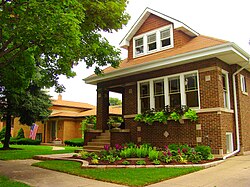
- Chicago Bungalow: Built largely between 1910 and 1940, these brick homes typically feature gables parallel to the street and a full basement. They make up nearly one-third of Chicago's single-family housing stock.
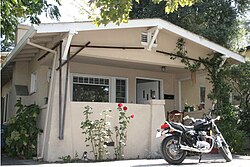
- California Bungalow: A popular 1.5-storey variation prevalent from 1910 to 1925.
- Milwaukee Bungalow: Similar to the Chicago style but usually with gables perpendicular to the street and white stucco on lower exteriors.
- Michigan Bungalow: Concentrated in the metro-Detroit area, these focused on local building materials in line with Arts and Crafts principles.
Global Adaptations and Regional Styles
Australia and New Zealand
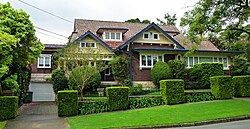
The Federation Bungalow style emerged in 1891, spreading from Victoria to Sydney's northern suburbs. By 1908, the California bungalow style gained traction, reflecting a growing interest in planned urban communities and single-family dwellings.
India, Bangladesh, and Southeast Asia
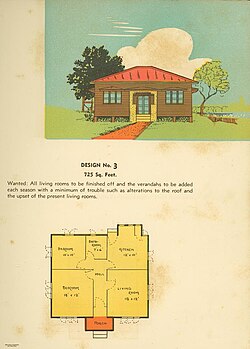
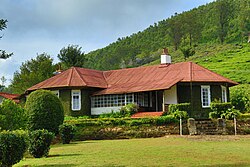
In India, a bungalow (or villa) refers to any single-family unit, contrasting with the apartment living common in cities. Notable examples include the Lutyens' Bungalow Zone in New Delhi and colonial-era homes in Mumbai. In Bangladesh, dak bungalows were historically used by British mail services during the British Raj.
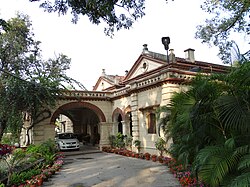
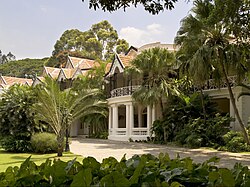
In Singapore and Malaysia, colonial-era bungalows were built between the early 19th century and the end of World War II for high-ranking colonial officials. Today, Singapore's most exclusive luxury mansions are known as Good Class Bungalows.
![A heritage bungalow located in the heart of Singapore's civic district. Today, the bungalow serves as part of an "urban plaza" where upmarket furnishings from Europe and America are promoted.[18]](/images/bc/2a/bc2a137dcc5bfdc9b09b24d7ce0b3ee50a41983171e5b90688947edd15328b90.jpg)
Europe and South Africa
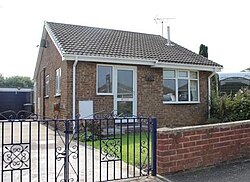
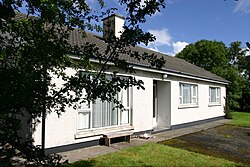
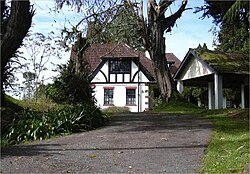
The first English bungalow was built in 1869. In the UK, they were often prefabricated seaside holiday homes, with some early versions made of corrugated iron. In Ireland, they remain the most common house type in the countryside, particularly for retirees. In Germany, the term specifically refers to a single-storey house with a flat roof, a style that peaked in the 1960s.
Specialized Bungalow Types

Architectural Variants
- Airplane Bungalow: A California-born style featuring a single second-storey room surrounded by windows to capture summer breezes.
- Chalet Bungalow: A home with a second-storey loft. While the main living area is on one floor, the loft provides extra space, often for bedrooms.
- Raised Bungalow: Features a basement partially above ground, allowing more natural light into the lower level and creating a high-ceiling foyer.
- Ranch Bungalow: Organized with bedrooms on one side and public living areas on the other.
Unique Concepts
Bungalow Colonies: Between the 1930s and 1960s, clusters of small rental summer homes became popular in New York's Catskill Mountains (the "Borscht Belt"), primarily among Jewish-American families.
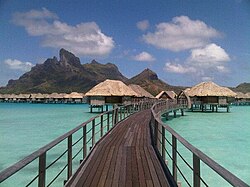
Overwater Bungalows: Inspired by South Asian and Pacific stilt houses, these luxury tourist accommodations were first built in French Polynesia in 1967. They have since become iconic in the Maldives and the Caribbean.
Summary of Bungalow Characteristics
| Style | Primary Region | Defining Feature | Era of Popularity |
|---|---|---|---|
| Craftsman | United States | Precut kits, Arts and Crafts influence | 1900–1918 |
| Chicago | USA (Chicago) | Brick, gables parallel to street | 1910–1940 |
| Federation | Australia | Garden suburb integration | 1891–1920 |
| Overwater | Pacific/Asia | Stilt construction over water | 1967–Present |
| Chalet | UK/Europe | Integrated second-storey loft | Various |
Frequently Asked Questions
What is the main difference between a bungalow and a chalet bungalow?
A true bungalow is strictly single-storey and does not use the attic for living space. A chalet bungalow includes a second-storey loft or rooms within the pitched roof, though the primary living areas remain on the ground floor.
Why are bungalows more expensive to build per square foot?
Because they are spread across a single level, bungalows require a larger foundation and a larger roof area to cover the same amount of living space as a multi-storey home.
Where did the word "bungalow" come from?
The term is derived from the Bengali word bangla, referring to the traditional style of houses found in the Bengal region of South Asia.
What is a "Good Class Bungalow"?
In Singapore, this term refers to large, luxurious mansions located in exclusive residential areas.
How did Sears, Roebuck & Co. influence bungalow design?
Sears popularized the style by selling affordable, standardized Craftsman bungalow kits through their mail-order catalog, making homeownership accessible to the American middle class.