Understanding Buildings: From Essential Shelter to Architectural Art
A building, or edifice, is an enclosed structure featuring a roof and walls, typically designed to stand permanently in a single location. Whether it is a modest house or a massive factory, buildings are fundamental to human civilization. They serve as a physical separation between the human habitat—a place of safety and comfort—and the outside environment, which can often be harsh or unpredictable.
Throughout history, the design and construction of buildings have been shaped by various factors, including available materials, weather conditions, land prices, ground stability, and aesthetic preferences. Today, buildings are not just functional shelters; they are canvases for artistic expression and, increasingly, focal points for sustainable planning through the development of green buildings.
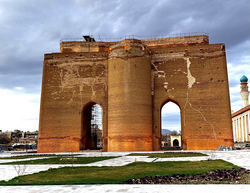
Key Facts
- Definition: A permanent structure with a roof and walls.
- History: Evidence of homebuilding dates back to approximately 18,000 BC.
- Environmental Impact: Buildings account for roughly 37% of global energy use and energy-related CO2 emissions.
- Classification: Buildings are categorized by use, such as residential, commercial, industrial, and agricultural.
- Complexity: Modern construction involves a massive team of professionals, from architects to HVAC engineers.
Defining the Building
While the terms "building" and "structure" are often used interchangeably, they have distinct meanings. A structure is a broader term that includes natural formations and human-made objects that may not have walls, such as fences. In contrast, a building is specifically defined by its enclosure. Historically, some definitions even distinguished "building" from "architecture" by suggesting that architecture implies artistic treatment, whereas building refers to the physical act of construction.
In technical terms, structural height is measured from the street level to the highest architectural detail. While spires and masts are part of a building's silhouette, they are often excluded from official height calculations, especially when used as antennas. Additionally, buildings are often classified by their scale, with "low-rise" generally referring to structures with three stories or fewer.
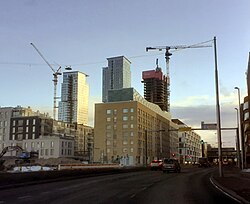
Common Types of Buildings
Buildings are primarily classified by their intended function and the societal needs they meet.
Residential Buildings
Residential structures provide living space and privacy. These range from single-family homes to multi-family units like duplexes and apartment buildings. Occupants may own their units (condominiums) or rent them. Residential types are often named based on their size (cottage vs. mansion), construction method (log home vs. mobile home), or proximity to nature (stilt houses or houseboats).
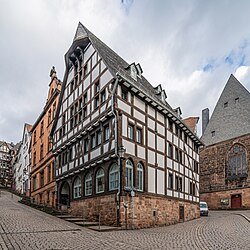
In high-density urban areas, buildings are often built closer together or taller to manage high land prices. Specialized residential structures also include institutions like nursing homes, orphanages, and prisons, as well as group housing like dormitories.

Commercial, Industrial, and Agricultural
- Commercial: Buildings used for business where people do not reside, such as stores, restaurants, and hotels.
- Industrial: Large edifices used for heavy industry and manufacturing, including factories and warehouses.
- Agricultural: Outbuildings located on farms, such as barns.
- Mixed-use: Structures that combine different functions, most commonly residential and commercial spaces.
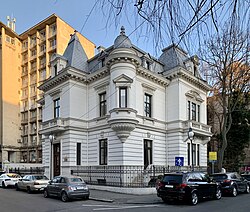
Complexes
When a group of interrelated or interconnected buildings are grouped together for a specific purpose, they are referred to as a complex, such as a hospital complex or an educational complex.
The Complexity of Creation
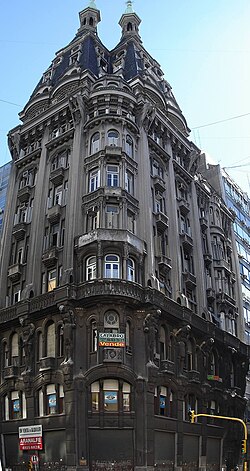
Constructing a modern building is a massive collective effort involving numerous professionals. A project typically begins with a real estate developer and financial investors. The design is then handled by licensed architects and engineers.
Engineering disciplines are highly specialized, including:
- Civil and Structural Engineers: Focused on the integrity and framework of the building.
- Mechanical and HVAC Engineers: Responsible for Heating, Ventilation, and Air Conditioning.
- Specialists: Experts in plumbing, fire prevention, acoustics, façade engineering, and Building Management Systems (BMS).
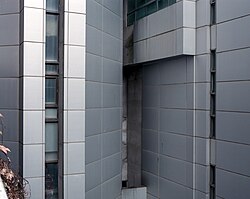
Once the design is complete, contractors install essential systems like electrical, telecommunications, and security. Finally, facility managers take over to ensure the building operates smoothly on a day-to-day basis.
Environmental Impact and Sustainability
Buildings have a significant footprint on our planet. As of 2020, they were responsible for 37% of global energy use and energy-related CO2 emissions. When including the manufacturing of building materials, this figure rises to 39%. The United Nations Environment Program has warned that without new construction technologies, these emissions could double by 2050.
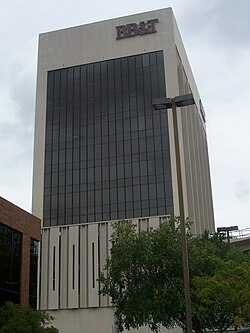
One specific concern is the prevalence of all-glass skyscrapers. While aesthetically pleasing, these buildings are often energy-inefficient because they trap heat, requiring massive amounts of air conditioning to remain habitable. This contributes significantly to global carbon emissions.
Building Infrastructure and Risks
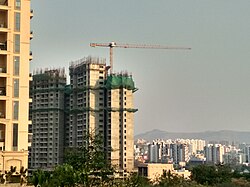
To function, buildings require a physical plant—the internal infrastructure for power, water, telecommunications, and climate control. They also require conveying systems to move people, such as elevators, escalators, or even skyways between interconnected buildings.
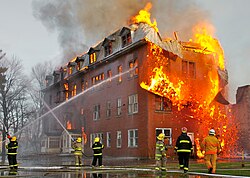
Despite their permanence, buildings are vulnerable to various forms of damage:
- Natural Disasters: Storms, floods, landslides, and earthquakes.
- Human/Geological Factors: Explosions, subsidence (sinking ground) caused by mining or water withdrawal, and poor foundations.
- Maintenance Issues: Fire damage, flooding, or dilapidation due to improper alterations or lack of upkeep.
Summary of Building Classifications
| Category | Primary Purpose | Examples |
|---|---|---|
| Residential | Living and shelter | Houses, apartments, hotels, dormitories |
| Commercial | Business operations | Stores, restaurants, offices |
| Industrial | Manufacturing and storage | Factories, warehouses |
| Agricultural | Farming support | Barns, outbuildings |
| Mixed-use | Combined functions | Apartments above shops |
Frequently Asked Questions
What is the difference between a building and a structure?
A building is a specific type of structure that is enclosed with walls and a roof. A "structure" is a broader term that can include anything from a natural formation to a fence, which does not necessarily have walls.
Why are glass skyscrapers considered environmentally unfriendly?
All-glass buildings often suffer from energy inefficiency because they trap heat inside. This creates a "greenhouse effect" that requires heavy use of air conditioning, leading to higher electricity consumption and increased carbon emissions.
What determines the height of a building?
In technical usage, structural height is measured from the street level to the highest architectural detail. However, certain elements like antennas or masts used for communication are generally not included in this measurement.
How do buildings impact global climate change?
Buildings account for a large portion of global energy and water consumption. As of 2020, they were responsible for approximately 37% of global energy use and energy-related CO2 emissions, contributing significantly to the global carbon footprint.
What are "building services"?
Building services refer to the essential internal infrastructure required for a building to function, including heating, cooling, power, water, wastewater management, and telecommunications.