Brooklyn: The Heart of Kings County
Brooklyn, one of the five boroughs of New York City, is a sprawling urban center known for its rich history, diverse population, and iconic landmarks. Coterminous with Kings County, Brooklyn is the most populous borough in the city, blending a colonial past with a modern, global identity. From its origins as a series of Dutch settlements to its current status as a hub of art and innovation, Brooklyn remains a defining part of the American urban experience.
The borough's identity is captured in its motto, Eendraght Maeckt Maght (Dutch for "In unity there is strength"), reflecting a legacy of diverse communities coming together to build a thriving metropolis.
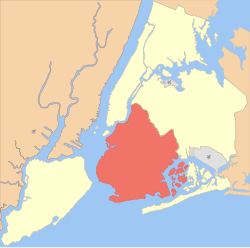
Key Facts
- Population: 2,736,074 (2020 Census).
- Land Area: Approximately 70.82 square miles of land and 26 square miles of water.
- Economy: A total GDP of US$145.934 billion (2024).
- Highest Point: 220 feet (67 meters).
- Government: Led by Borough President Antonio Reynoso.
- Naming: Named after Breukelen in the Netherlands.
A Journey Through History
Colonial Foundations and the Dutch Era
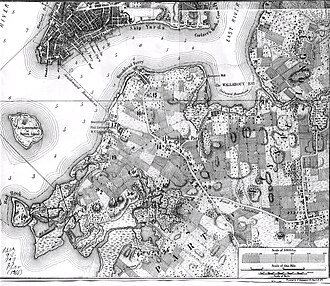
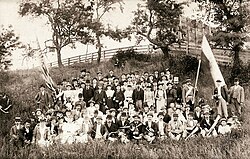
Settled in 1634, Brooklyn began as a collection of Dutch towns in the colony of New Netherland. Key early charters included Nieuw Amersfoort (Flatlands) in 1647, Midwout (Flatbush) in 1652, and Nieuw Utrecht in 1652. These settlements laid the groundwork for the borough's agricultural and residential development.
Revolutionary War and Urbanization
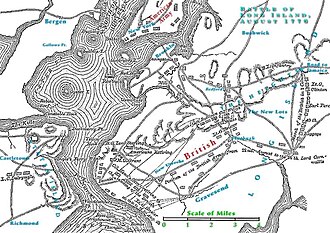
During the American Revolution, Brooklyn became a strategic site, most notably during the Battle of Long Island, which was fought across Kings County. Following independence, the area underwent rapid urbanization, evolving from a rural outpost into a major city in its own right.
The Independent City of Brooklyn
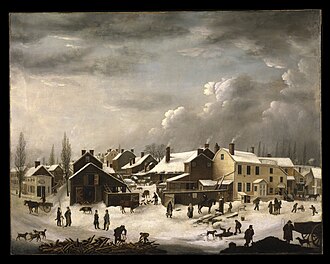
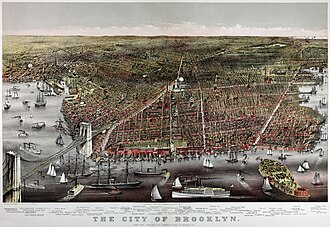
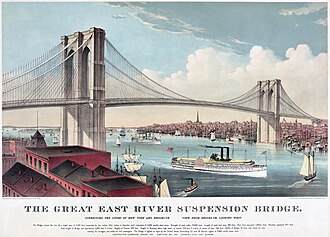
Before consolidating into New York City, Brooklyn operated as an independent city with its own mayors. One notable leader was Seth Low, who served from 1881 to 1885 and implemented significant urban reforms. The late 19th century saw the borough's growth accelerate, culminating in the completion of the Brooklyn Bridge in 1883, which physically and economically linked the borough to Manhattan.
Geography and Climate
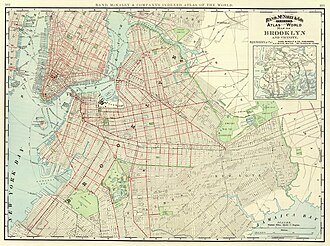
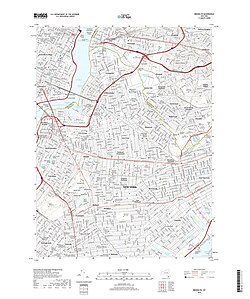
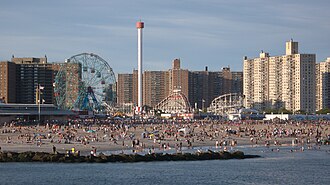
Brooklyn covers a total area of 97 square miles, with water making up about 27% of its territory. Its geography ranges from the dense urban corridors of Downtown Brooklyn to the sandy shores of Coney Island.
The climate is characterized by four distinct seasons. Based on data from JFK Airport and Avenue V, the borough experiences mean daily maximums ranging from approximately 39°F in January to 84°F in July. Annual precipitation averages between 42 and 47 inches, with snowfall typically peaking in January and February.
Demographics and Cultural Mosaic
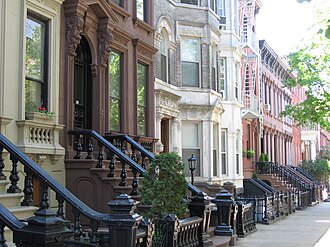
Brooklyn is one of the most ethnically diverse places on Earth. While the population was overwhelmingly white in 1900 (98.3%), the 2020 Census shows a vibrant mix: 37.6% White, 26.7% Black or African American, 18.9% Hispanic or Latino, and 13.6% Asian.
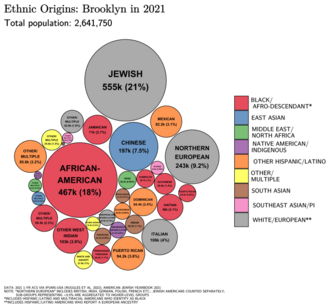
Ethnic Enclaves and Communities
The borough is home to several world-renowned ethnic communities, including:
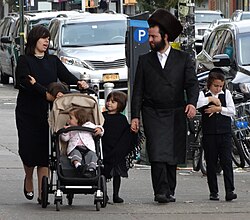
- Jewish Community: The world's largest metropolitan Hasidic Jewish community resides here.
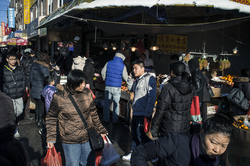
- Chinese American: A growing presence, particularly in the Sunset Park Chinatown.
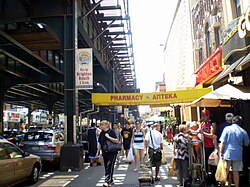
- Russian and Ukrainian: Centered in the "Little Odessa" area of Brighton Beach.
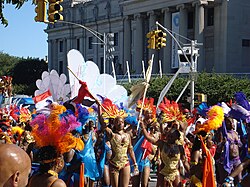
- Caribbean American: A strong presence celebrated annually during the West Indian Day Parade.
Landmarks and Infrastructure
Cultural and Educational Institutions
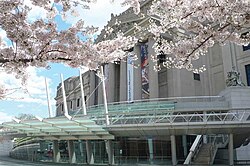
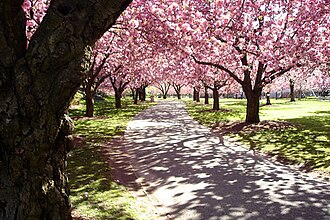
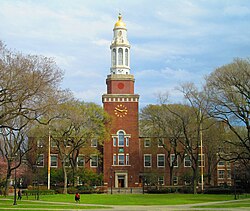
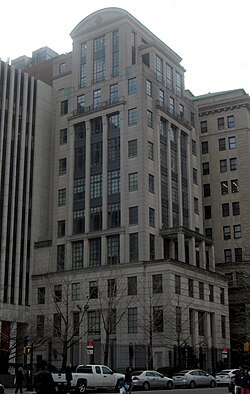
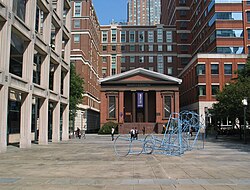
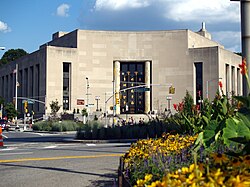
Brooklyn boasts world-class institutions such as the Brooklyn Museum and the Brooklyn Botanic Garden, known for its stunning Kwanzan cherries. In education, the borough is served by prestigious institutions including Brooklyn College, Brooklyn Law School, and the NYU Tandon School of Engineering.

Architecture and Urbanism
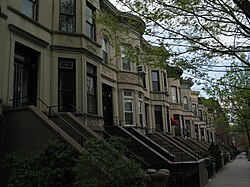
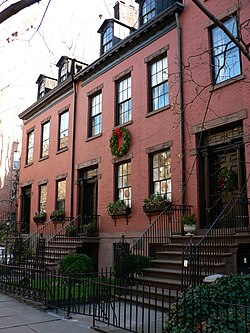
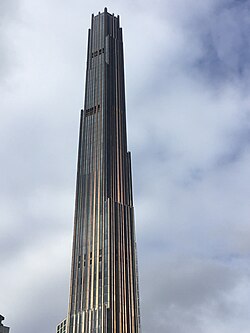
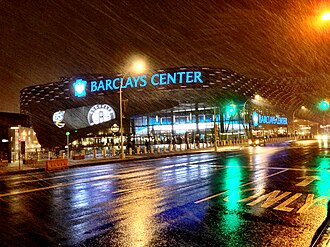
From the historic Federal Style houses of Brooklyn Heights to the modern skyline featuring The Brooklyn Tower—the tallest building in the borough—Brooklyn's architecture is a study in contrast. The Barclays Center in Prospect Heights serves as a modern hub for sports and entertainment, hosting the Nets and Liberty.
Transportation Hubs
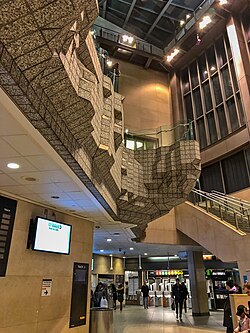
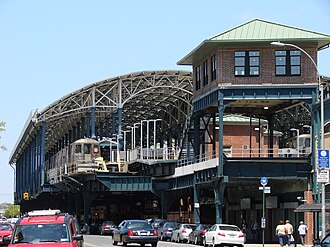
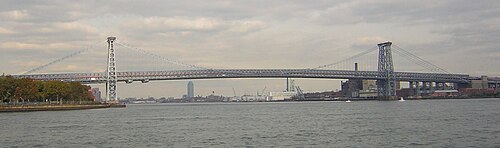
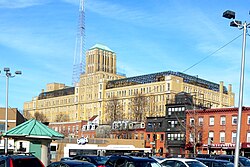
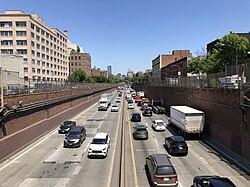
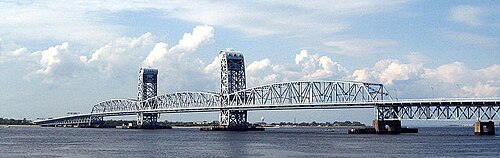
The borough is connected by a complex network of bridges and transit hubs. The Atlantic Terminal serves as a major transit point, while the Coney Island–Stillwell Avenue station marks the end of several subway lines. Major roadways like the BQE (Brooklyn-Queens Expressway) and bridges such as the Williamsburg and Marine Parkway bridges facilitate movement across the region.
Brooklyn at a Glance
The following table provides a comparative look at Brooklyn relative to other New York City boroughs based on 2020 data.
| Borough | Population | Land Area (sq mi) | Density (people/sq mi) | GDP (Billions USD) |
|---|---|---|---|---|
| The Bronx | 1,472,654 | 42.2 | 34,920 | 58.323 |
| Brooklyn | 2,736,074 | 69.4 | 39,438 | 145.934 |
| Manhattan | 1,694,251 | 22.7 | 74,781 | 1,006.673 |
| Queens | 2,405,464 | 108.7 | 22,125 | 143.131 |
| Staten Island | 495,747 | 57.5 | 8,618 | 23.779 |
Frequently Asked Questions

What is the relationship between Brooklyn and Kings County?
Brooklyn is the borough name, while Kings County is the county name. They are coterminous, meaning they occupy the exact same geographic area.
Who is the current Borough President of Brooklyn?
The current Borough President is Antonio Reynoso.
What is the most populous borough in New York City?
Based on the 2020 Census, Brooklyn is the most populous borough with 2,736,074 residents.
What are some of the most famous landmarks in Brooklyn?
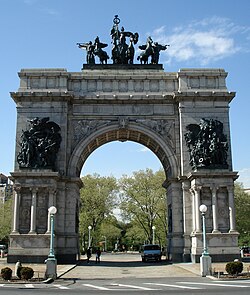
Key landmarks include the Brooklyn Bridge, Coney Island, the Brooklyn Museum, the Brooklyn Botanic Garden, and the Barclays Center.
What was Brooklyn's original name?
Brooklyn was named after Breukelen, a town in the Netherlands, reflecting its early Dutch colonial roots.