Brigade Major: The Role and History of the British Army Chief of Staff
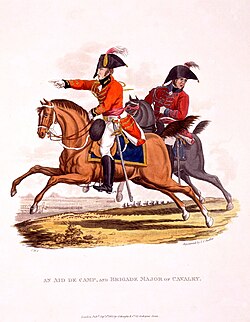
In the complex hierarchy of the British Army, the brigade major served as the essential link between strategic command and tactical execution. Acting as the chief of staff for a brigade, this officer was responsible for transforming the broad intentions of the commanding brigadier into detailed, actionable orders for the troops on the ground.
While the role was most commonly held by those with the rank of major, it was also frequently filled by captains. To maintain a clear chain of command, the brigade major was intentionally ranked lower than the lieutenant colonels who commanded the brigade's individual combat battalions. This ensured that the brigade major functioned as a coordinator and facilitator rather than a direct superior to the battalion commanders.
Organizational Responsibilities
The brigade major sat at the center of the brigade's administrative and operational hub. He directly headed the G - Operations and Intelligence section, which focused on the planning and execution of combat missions. Beyond his own section, he provided oversight for two other critical branches:
- A – Administration: Managing personnel and internal organizational needs.
- Q – Quartermaster: Handling logistics, supplies, and equipment.
In the terminology of the old British system, the brigade major was designated as a Staff Officer 2 in charge of the G Branch, abbreviated as GSO2 (General Staff Officer, Grade 2).
Historical Evolution
Early Adoption and World War I
The role was a standard fixture across various branches of the military. In 1913, staff captains of artillery were re-styled as brigade majors to align their titles with the practices used in the infantry and cavalry. During World War I, the position became pivotal; the brigade major was often the officer in most frequent contact with front-line troops, directly affecting the health and happiness of the battalions through his operational planning.
Notable figures have held this position, including future prime minister Anthony Eden, who served as a brigade major at the age of twenty-one.
Transition to the NATO System
The traditional role of the brigade major remained a staple in the British and Canadian Armies until the early 1980s. Between 1982 and 1984, these armies adopted the NATO system, which replaced the brigade major with the brigade G-3 (Operations), also known as the Chief of Staff.
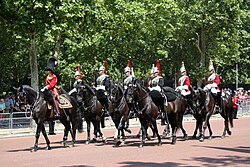
While the title has largely vanished from general use in the 21st century, it persists in specific contexts. It is still utilized within the Household Division, divisional-level artillery headquarters, and as of 2014, by HQ London District.
Global Context
The influence of the British military structure extended to other nations. The practice of employing brigade majors continued in several Commonwealth armies, including the Indian Army. Additionally, the United States Army utilized the rank of brigade major until the War of 1812, during which time army regulations listed them as the only necessary staff for a brigadier general.
Key Facts
- Primary Role: Chief of Staff for a brigade, executing the commanding brigadier's intentions.
- Core Responsibility: Head of the "G - Operations and Intelligence" section.
- Oversight: Managed the "A - Administration" and "Q - Quartermaster" branches.
- Rank: Typically a major or captain; ranked below battalion lieutenant colonels.
- Modern Status: Replaced by the G-3 (Operations) role under the NATO system (1982-1984).
- Current Usage: Still used in the Household Division and HQ London District.
| System/Era | Title | Primary Designation | Focus |
|---|---|---|---|
| Traditional British | Brigade Major | GSO2 | Operations & Intelligence |
| NATO System | Chief of Staff | Brigade G-3 | Operations |
| Early US Army | Brigade Major | Required Staff | General Staff Support |
Frequently Asked Questions
What was the primary duty of a brigade major?
The brigade major served as the chief of staff, responsible for detailing and executing the operational intentions of the commanding brigadier and managing the brigade's operations and intelligence section.
Why was the brigade major ranked lower than battalion commanders?
He was intentionally ranked lower than the lieutenant colonels commanding combat battalions to ensure his role remained one of coordination and staff support rather than direct command over those units.
When did the British Army stop using the title brigade major?
The title was largely phased out between 1982 and 1984 when the British and Canadian Armies adopted the NATO system, replacing the role with the brigade G-3 (Operations).
Is the title brigade major still used today?
Yes, though rarely. It is still used in the Household Division, divisional-level artillery headquarters, and HQ London District.
Which other countries used the brigade major system?
The system was used in the United States Army until the War of 1812 and has been maintained in some Commonwealth armies, such as the Indian Army.